I have sown quite a few Bluebonnet (Lupinus texensis) seeds here in different parts of the garden and judging by the number of rosettes that have already formed, I am hoping for a good show next spring. There are also Bluebonnets appearing where I did not seed them, so that’s intriguing.
The natural lifecycle of Bluebonnet plants is to bloom in springtime (March-May, depending on conditions). Once the flowers have finished, then seed pods form and when the seeds are ready they are dropped by the plants. The original plants then die, which is why if you want your Bluebonnet area to reappear the next year, you need to allow time for the seeds to mature and be dropped to form new plants before the original plants are mown down.
In addition to the benefit of Bluebonnets in feeding butterflies and other insects, their roots have nodules that fix nitrogen into the soil.
Bluebonnet seeds lie on the ground over the summer time, and then in fall, they germinate to form rosettes with leaves. If you are starting these plants from seeds, as I did, then the easiest way to do that is to sow seeds any time after they have been naturally dropped in your area until early November. Because I had other projects that had to happen first, my seeding was on the late side of that window but was apparently successful, nevertheless.
You may see various instructions about special preparation for Bluebonnet seeds, but if you seed them in synchrony with what nature is doing, then no extra treatment is needed. And Bluebonnets don’t mind being frozen during winter. If I happen to mow my front lawn before spring, I’ll use a high setting for the blade. A more likely scenario is that I’ll just mow the edges, where I didn’t seed.
Here’s more information about Bluebonnets from the Lady Bird Johnson Wildflower Center, which is my favorite place to get native plant information.
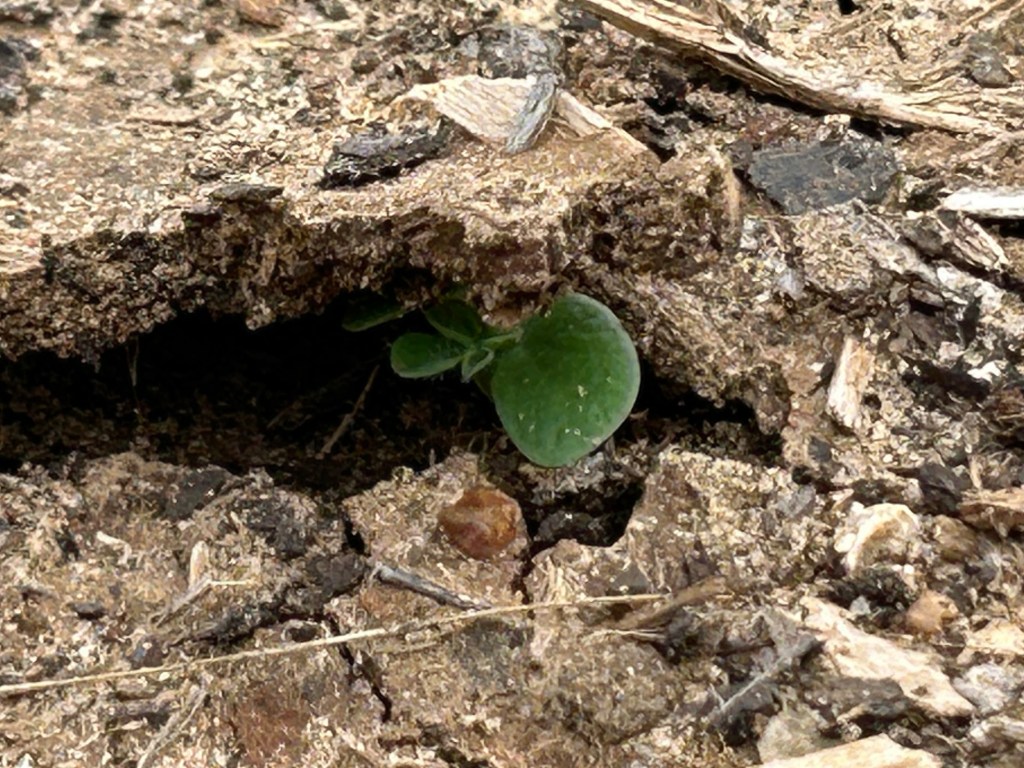
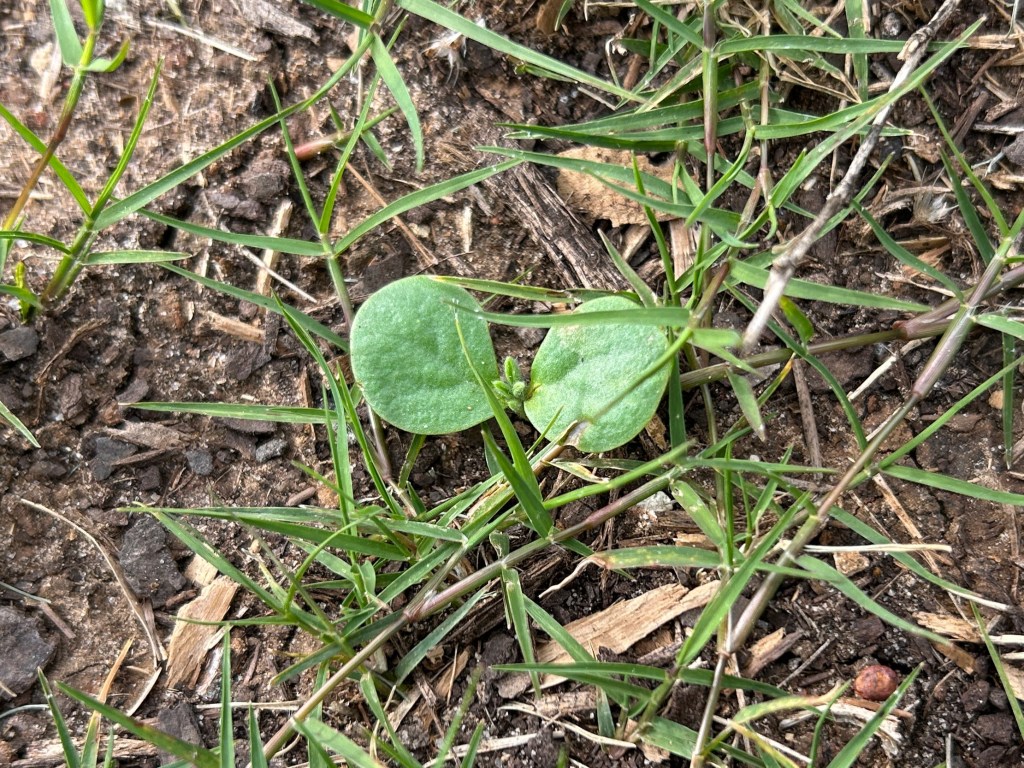
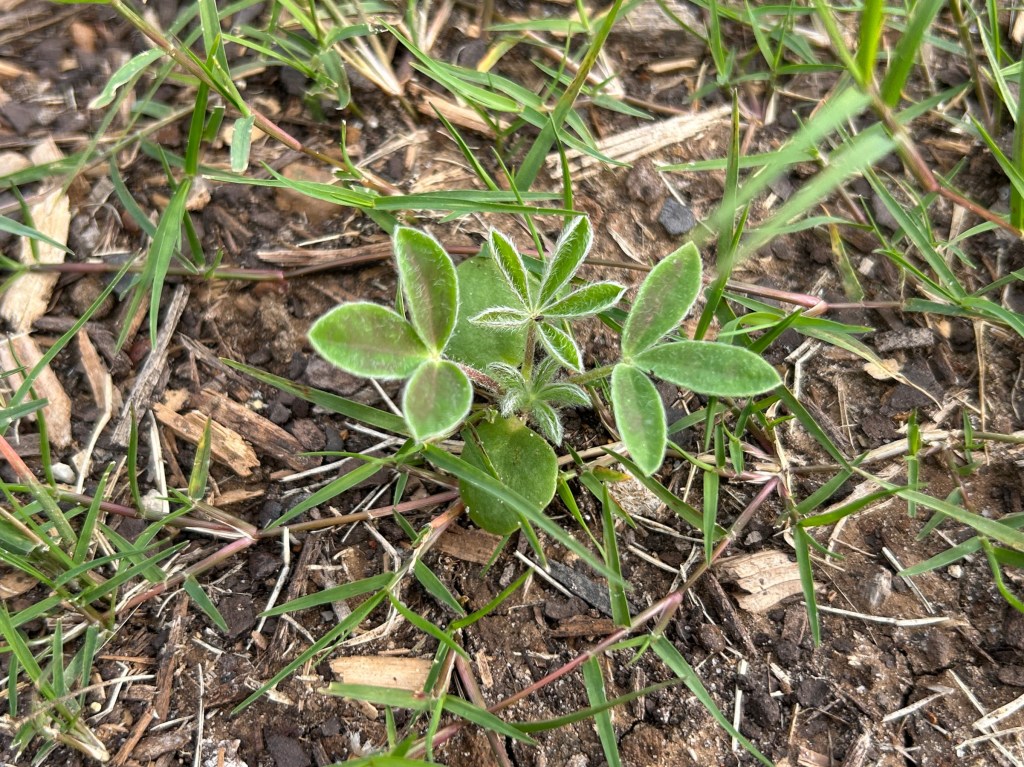
These are some photos of my Bluebonnet plants that are developing here, in order of maturity. The last photo is of a gifted plant that had been seeded in a pot and so that one is further along. Note that the first pair of leaves that appear is nothing like the others that grow later.



 Rewilding My Lot
Leave a comment