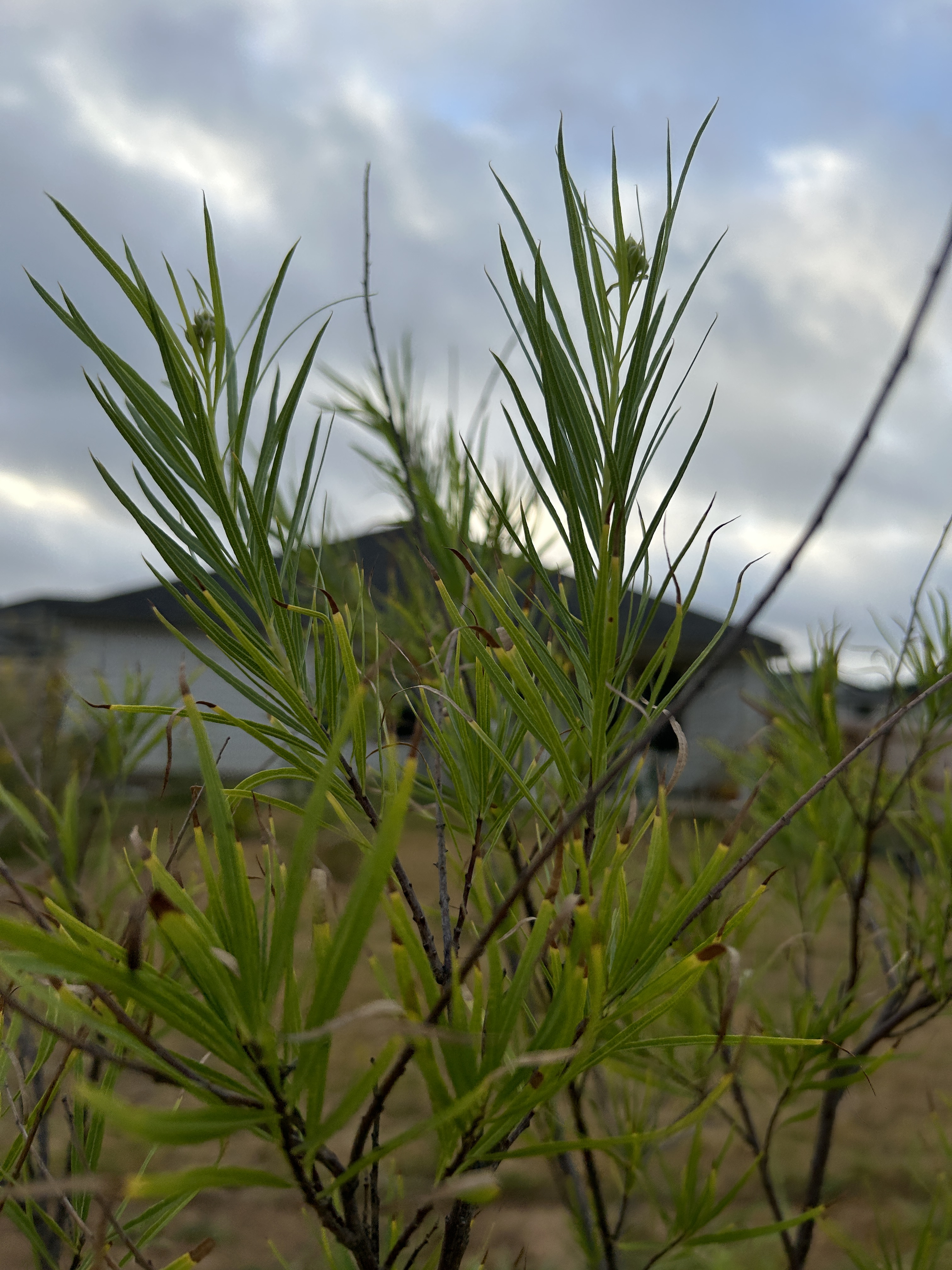
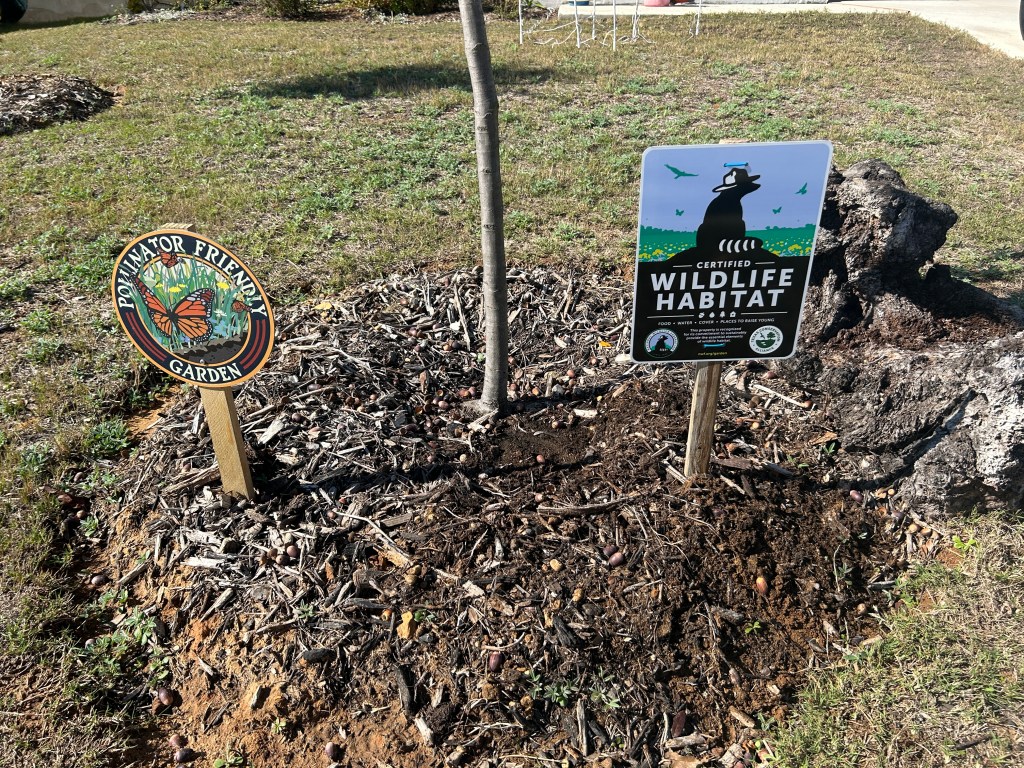
Until there was a pond here, this property was incomplete as a wildlife habitat because there was no reliable source of water. However, now that piece is in place, this garden is certified with the National Wildlife Federation as a Wildlife Habitat and I have a new sign to show that.
To qualify for certification, you need to supply some key features and below I list the ones that I have. (Here’s where you can take a quiz to assess whether you qualify.)
Sources of Food (minimum of 3)
- Native plants
- Nectar and pollen
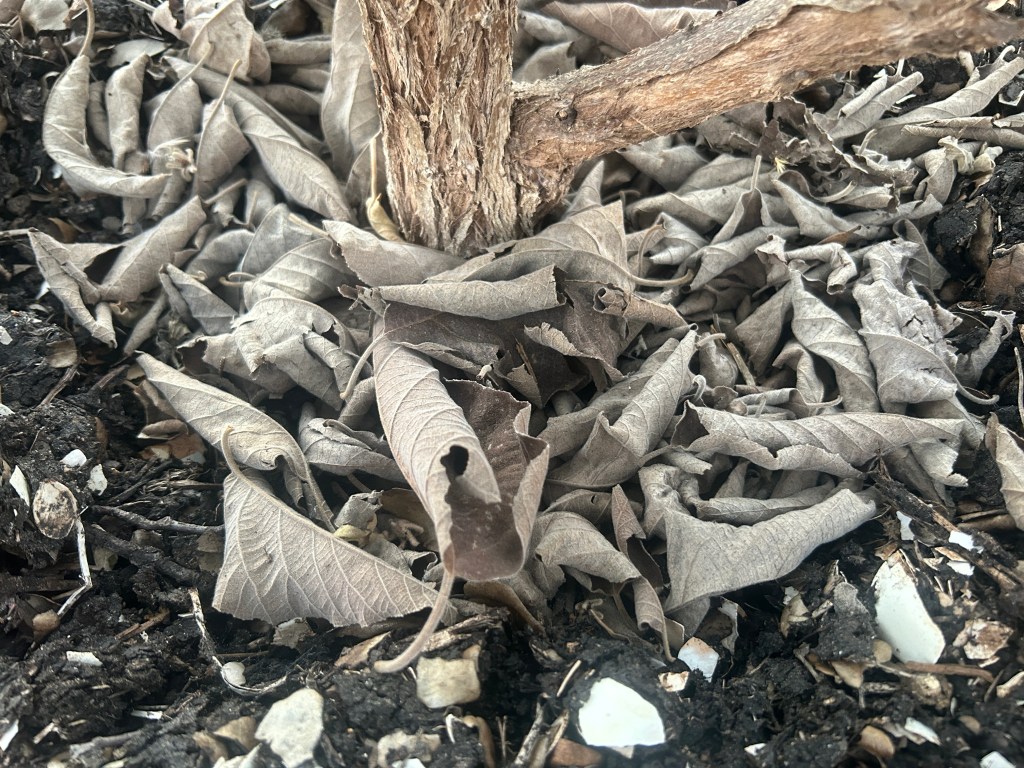
- Fallen leaf layer
- Seed heads
- Berries and fruits
- Host plants for native insects
- Foliage and twigs
- Insects
Sources of Cover (minimum of 2)
- Ground cover
- Rock pile
- Evergreen trees and shrubs
- Log pile
- Meadow
- Pond
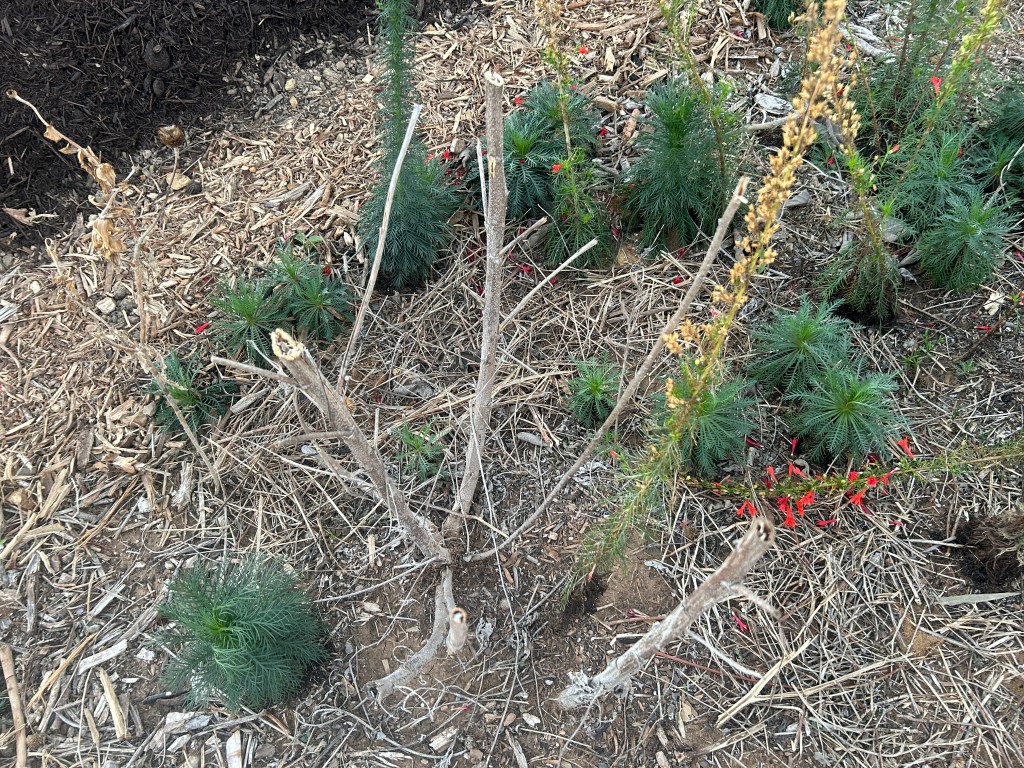
- Intact plant stems
Places to Raise Young (minimum of 2)
- Host plants for caterpillars
- Meadow
- Fallen leaf layer
- Pond
- Intact plant stems
Sources of Water (minimum of 1)
- Year round pond
Sustainability Practices (minimum of 2 categories)
- Soil and water conservation:
- Limit water use
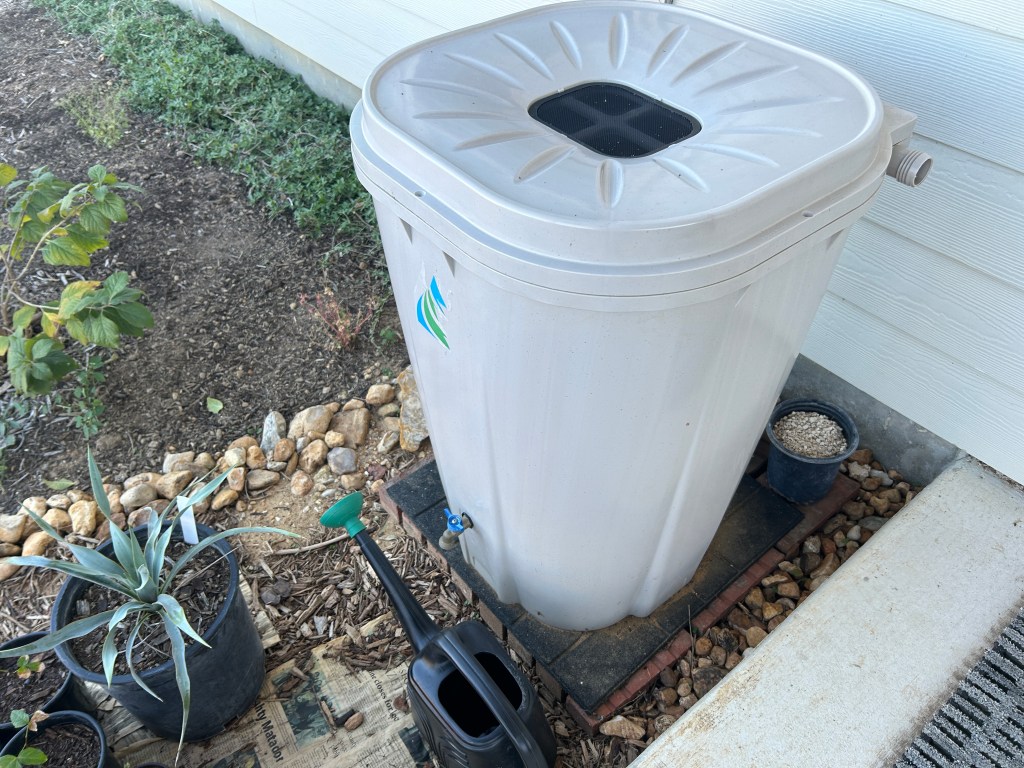
- Capture rain water
- Reduce erosion
- Build soil
- Control non-native species:
- Remove non-native plants
- Keep cats indoors
- Reduce lawn space
- Reduce pollution:
- Eliminate chemical pesticides and fertilizers
- Use electric mower
- Reduce/Reuse/Recycle:
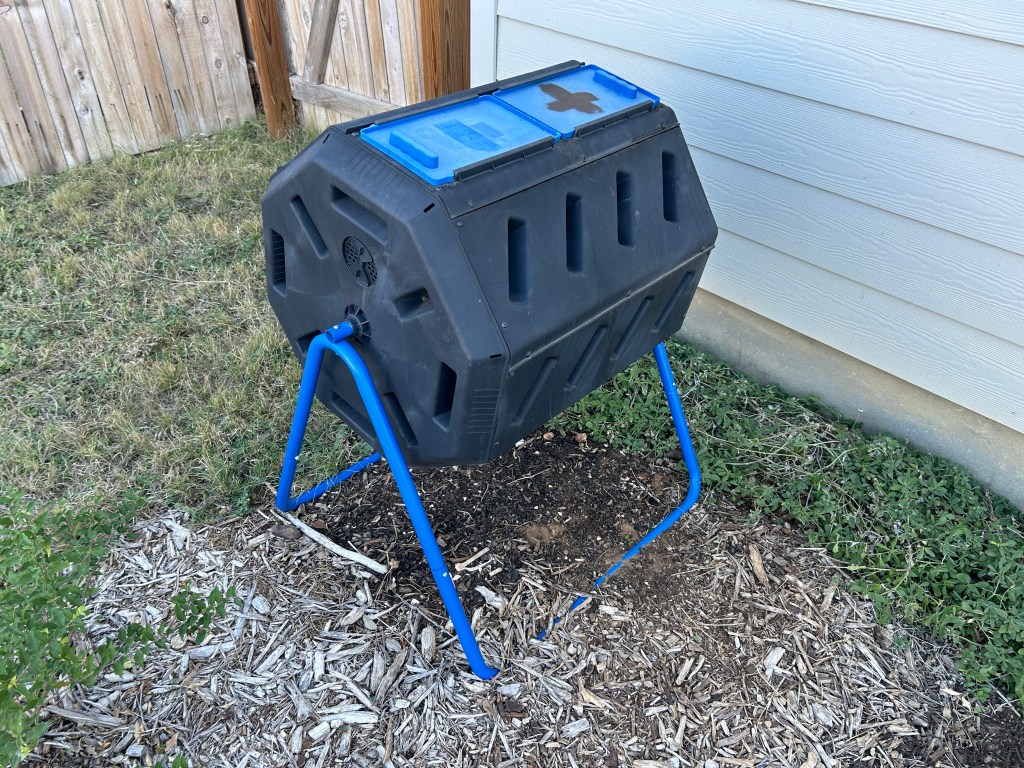
- Compost kitchen and garden waste
- Don’t use plastic weed liners
- Reuse garden pots
Of course, paying for a certification and displaying a sign does not help the environment in itself. What is important is what is actually happening here and I don’t need a sign to prove that. However, I like the idea of making a statement to indicate what I am doing, and it would be great if that would be a conversation starter for my neighbors.
Here are a few photo examples of the wildlife features here.
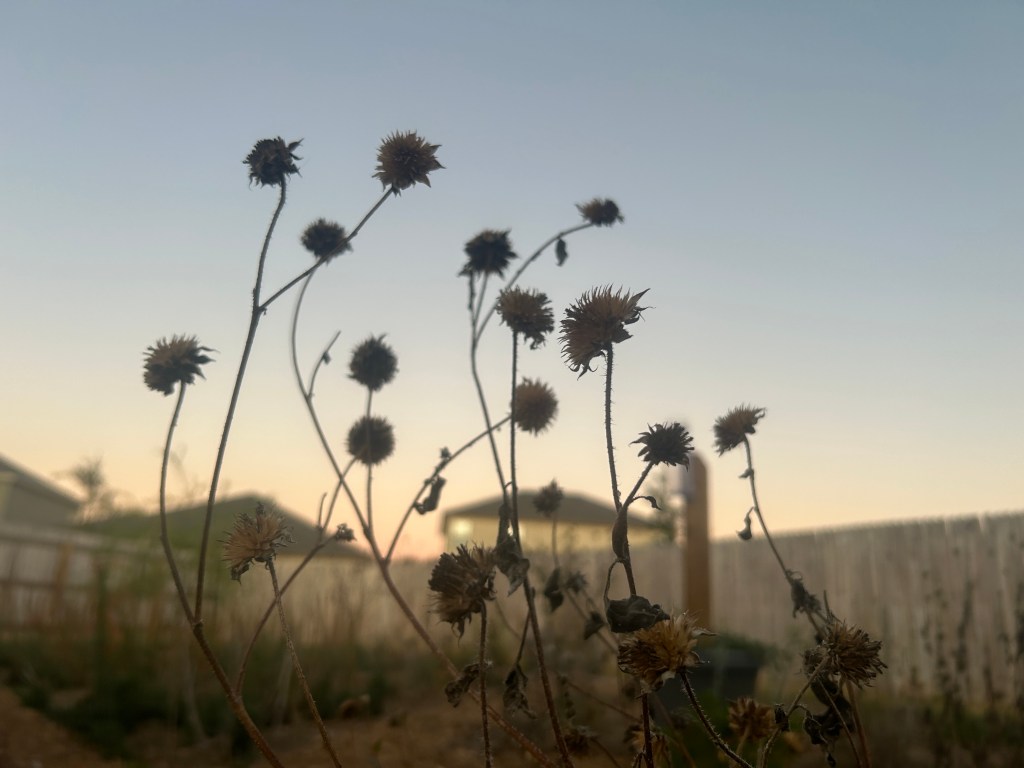
Seed heads as food (Sunflower)
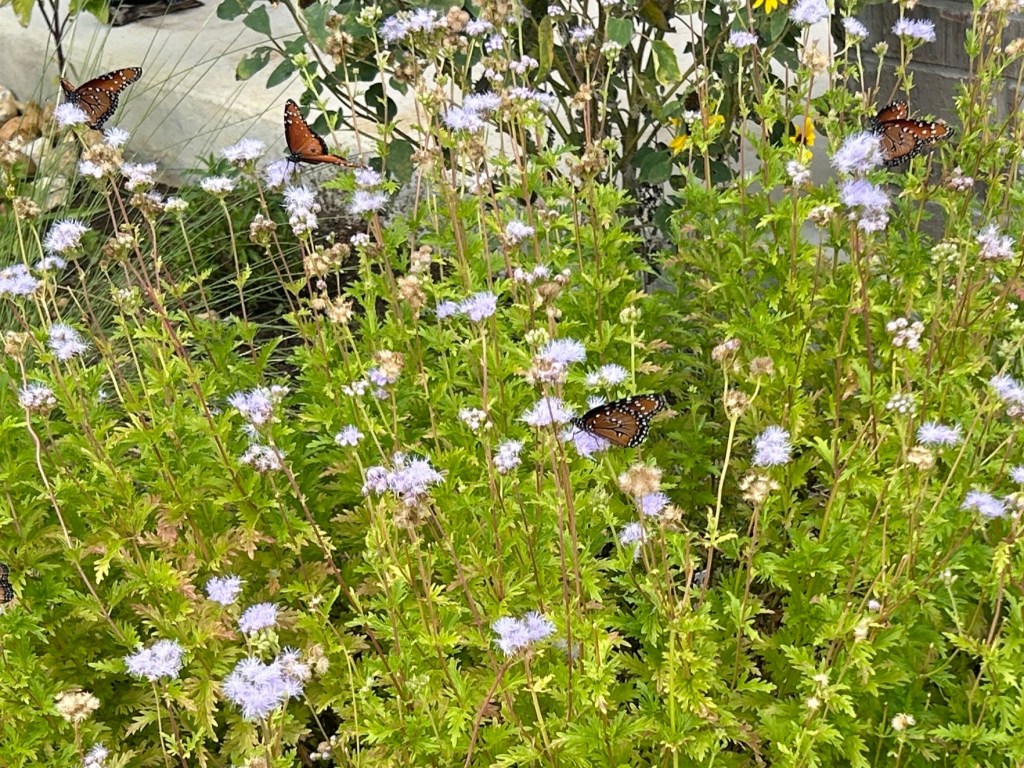
Native plants as food (Queen butterflies on Gregg’s Mistflower)
Texas Mountain Laurel, an evergreen tree, for shelter
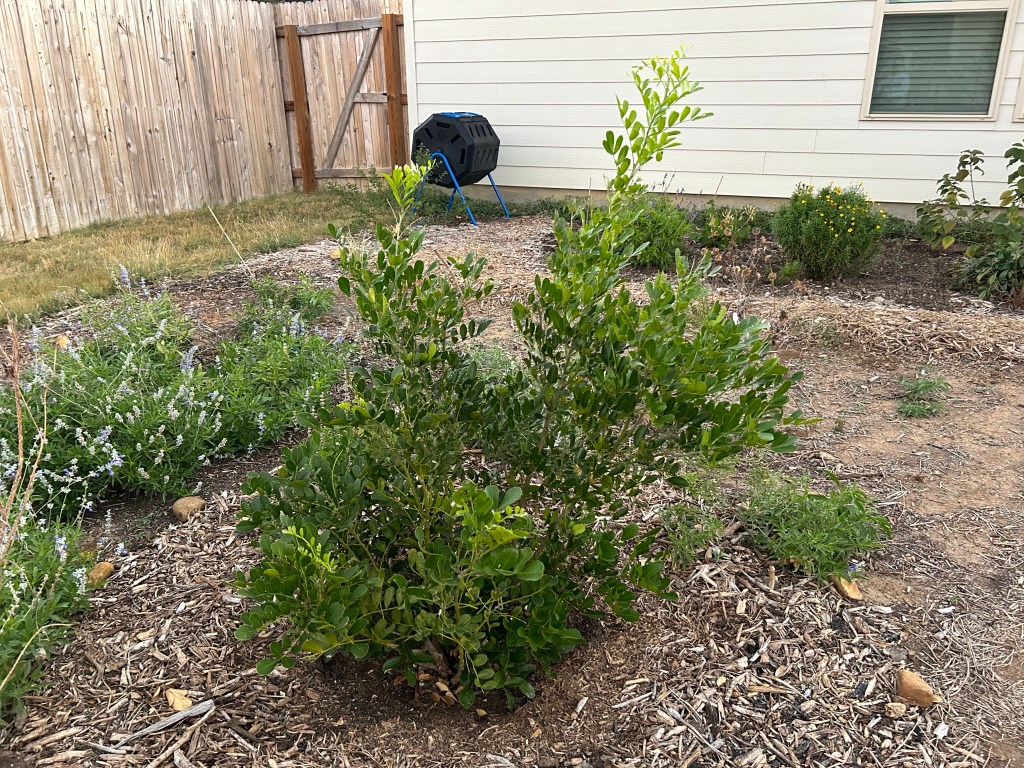
Plant stems for shelter
Fallen leaf layer to raise young
Host plants for caterpillars (Giant Swallowtail caterpillar on Common Rue)

Pond as source of water

Rain barrels to capture water
Compost system to recycle garden and kitchen waste


 Rewilding My Lot
Leave a comment