Blog
-
Walking Around A Spider Web
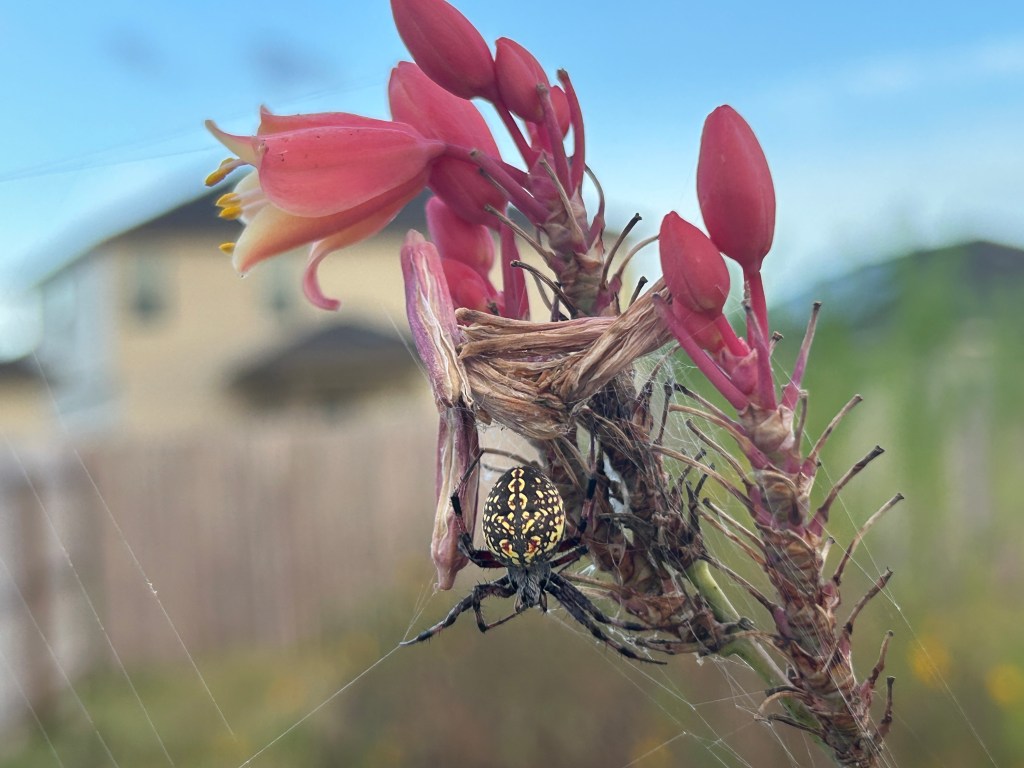
There is a Western Spotted Orbweaver (Neoscona oaxacensis) that has built an impressive web spanning from the Red Yucca flower spike to the fence that is eight feet away. I knocked the web loose one time by accident, but it was quickly rebuilt. So now I have learned to walk around it, although I suspect… Continue reading
-
A Tale Of Two Mexican Mint Marigold Plants

In Houston, I had a pot of Mexican Mint Marigold (Tagetes lucida), which I brought to Seguin when I moved here in February 2023. It’s a plant that is native to Mexico and Central America, and which has adapted well to Texas. The leaves have a fragrance similar to tarragon and anise, and other names for… Continue reading
-
Wolf Spider With Egg Sac
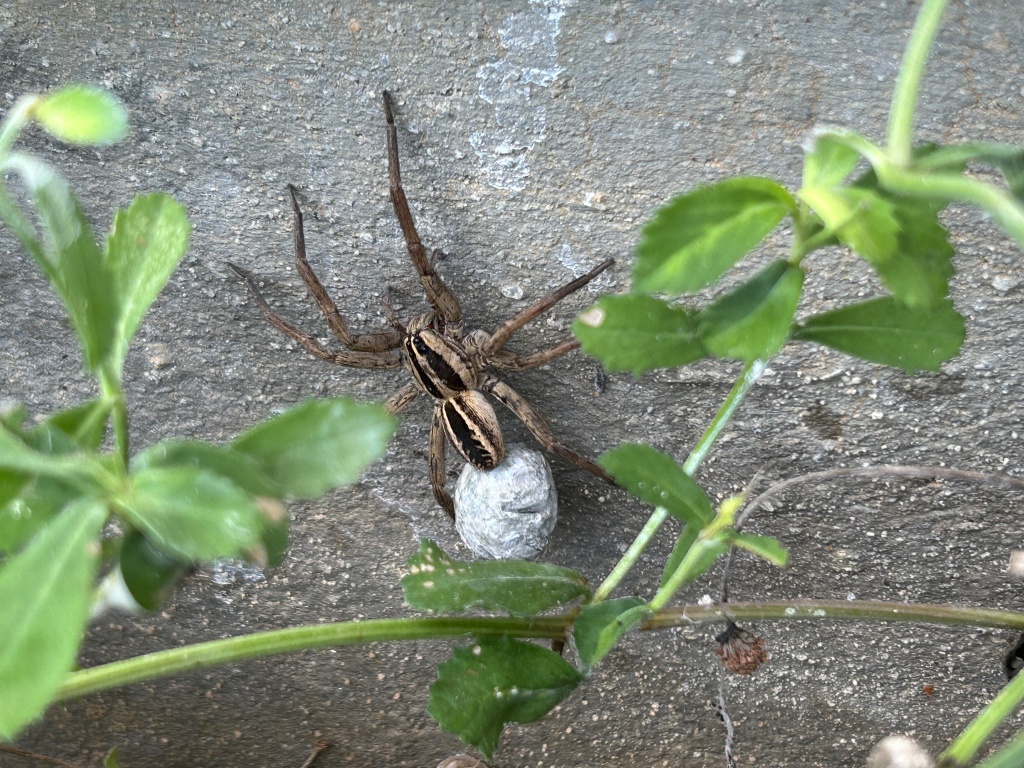
I often see Rabid Wolf Spiders (Rabidosa rabida) in the Frogfruit (Phyla nodiflora) behind the house. It must be a good place for them to live. They don’t build webs to trap food; instead, they hunt at night. And despite their name, they do not carry rabies! Recently I was trimming back the Frogfruit and… Continue reading
-
Mexican Buckeye Propagation
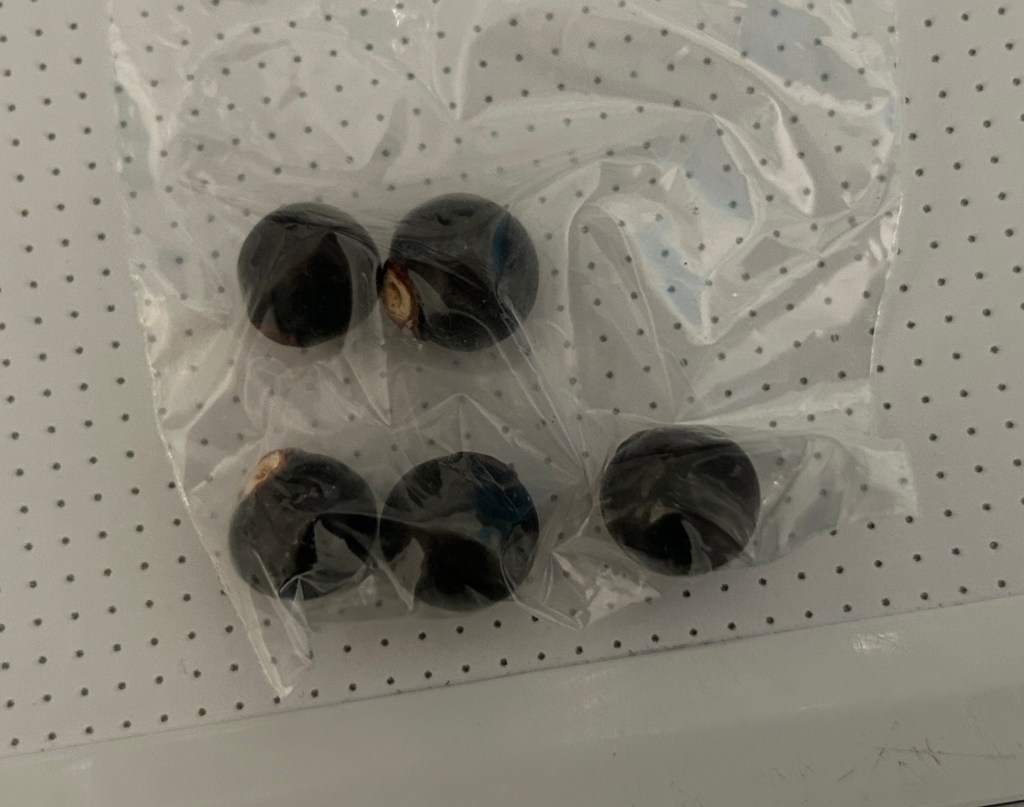
At a recent seed/plant exchange hosted by Seguin nursery Green Jay Gardens, I acquired a small packet of Mexican Buckeye (Ungnadia speciosa) seeds. This is a lovely small native tree, and although I wasn’t looking for more trees to plant here, this is one for which I’d find space. My son (Dan Rossiter) has recently… Continue reading
-
Sibling Flame Acanthus Plants On Different Schedules
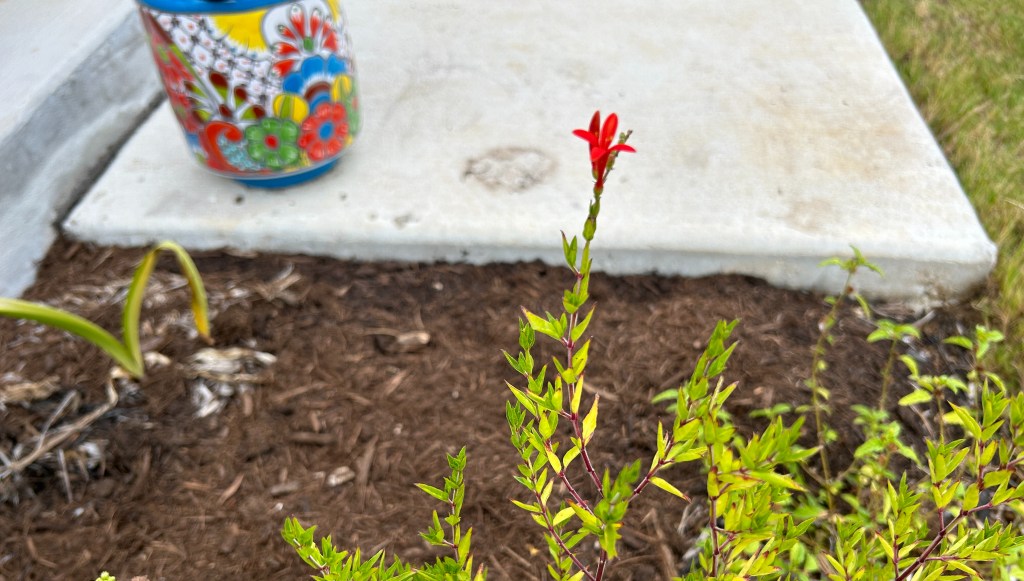
In September 2023 I planted two little Flame Acanthus (Anisacanthus quadrifidus var. wrightii) bushes, one in the front pollinator garden, and one in the back garden. They didn’t bloom last year, and they froze back in January, but they have now regrown to exceed their original size. The two plants, although purchased at the same… Continue reading
-
Decommissioning The Three Sisters Garden, And Lessons Learned

The Three Sisters Garden project has officially ended. The mounds have been dismantled, their soil moved elsewhere, and any remaining plant matter composted. It was an interesting thing to try, but I’m not going to do this again next year. Nevertheless, I’ve been collecting notes along the way as to what I have learned while… Continue reading
-
Giving The Pollinator Garden A Soil Boost

The soil around this newly built house is very poor quality and it will take years to make it more healthy. Where possible, I am adding organic matter and choosing plants and gardening strategies that should help with this process. One of the few places that has received no help from me so far is… Continue reading
-
Oops, Pardon Me
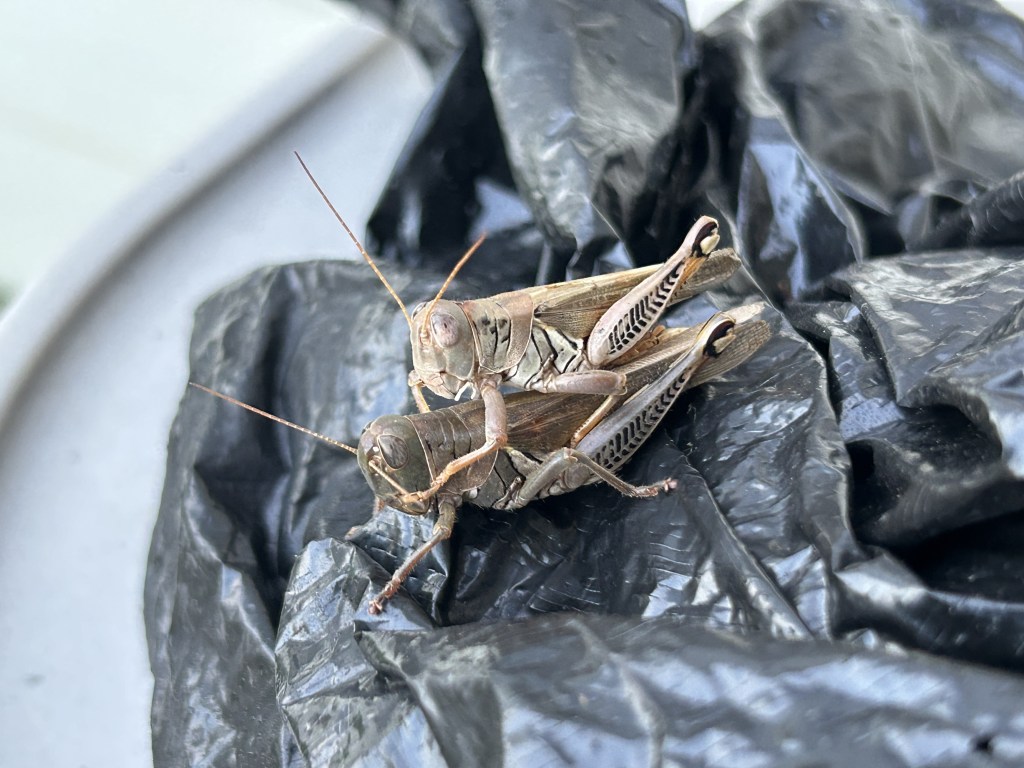
I lifted up a bag from the ground to put some garden waste in and found this pair of Differential Grasshoppers (Melanoplus differentialis) among the folds of plastic. I apologized as they hopped away (still connected!). Continue reading
-
Woolly Croton, And Some Local History
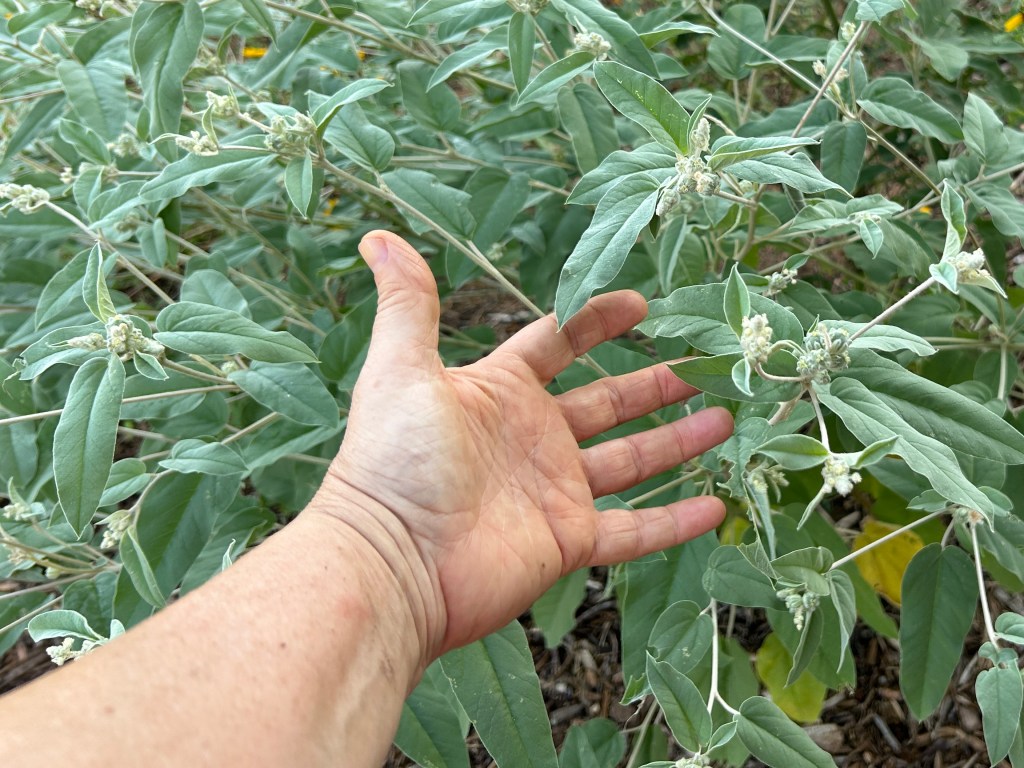
Woolly Croton (Croton capitatus var. lindheimeri) is a common volunteer here, and if it’s not in the way I have allowed it to stay. Doves will eat its seeds. Another name for this plant is Lindheimer’s Doveweed, in honor of Ferdinand Jacob Lindheimer (1801-1879) who is often called the Father of Texas Botany because of… Continue reading
-
Working On The Tall Grass Area

Early on in my time here, I set aside a portion of the back garden to be an area for mid-height native prairie grasses and the one I particularly wanted to grow was Little Bluestem (Schizachyrium scoparium). I introduced that by plant and seed. Sometimes I plan one thing, but nature, increased knowledge, or random… Continue reading
About Me
Nature Lover.
Inquisitive Observer.
Student Gardener.
I invite you to join me on my journey to convert my sterile (from a nature point of view) new house lot to a healthy and diverse ecosystem, as I make discoveries, mistakes, and hopefully progress. I am not an expert or professional. The project started in February 2023 and the location is Seguin, Texas, USA.
 Rewilding My Lot