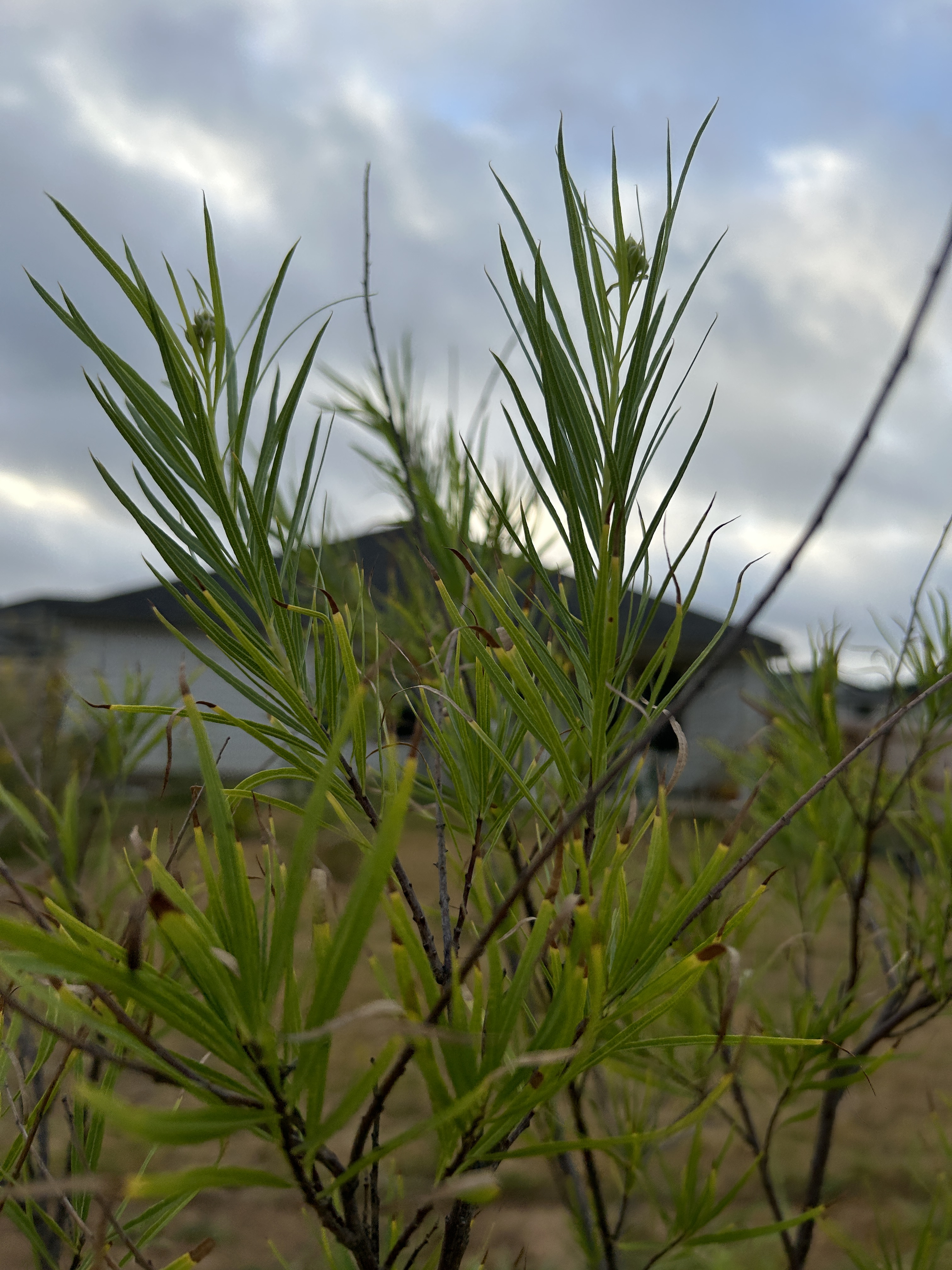
bluebonnet
-
Unexpected Wildflowers
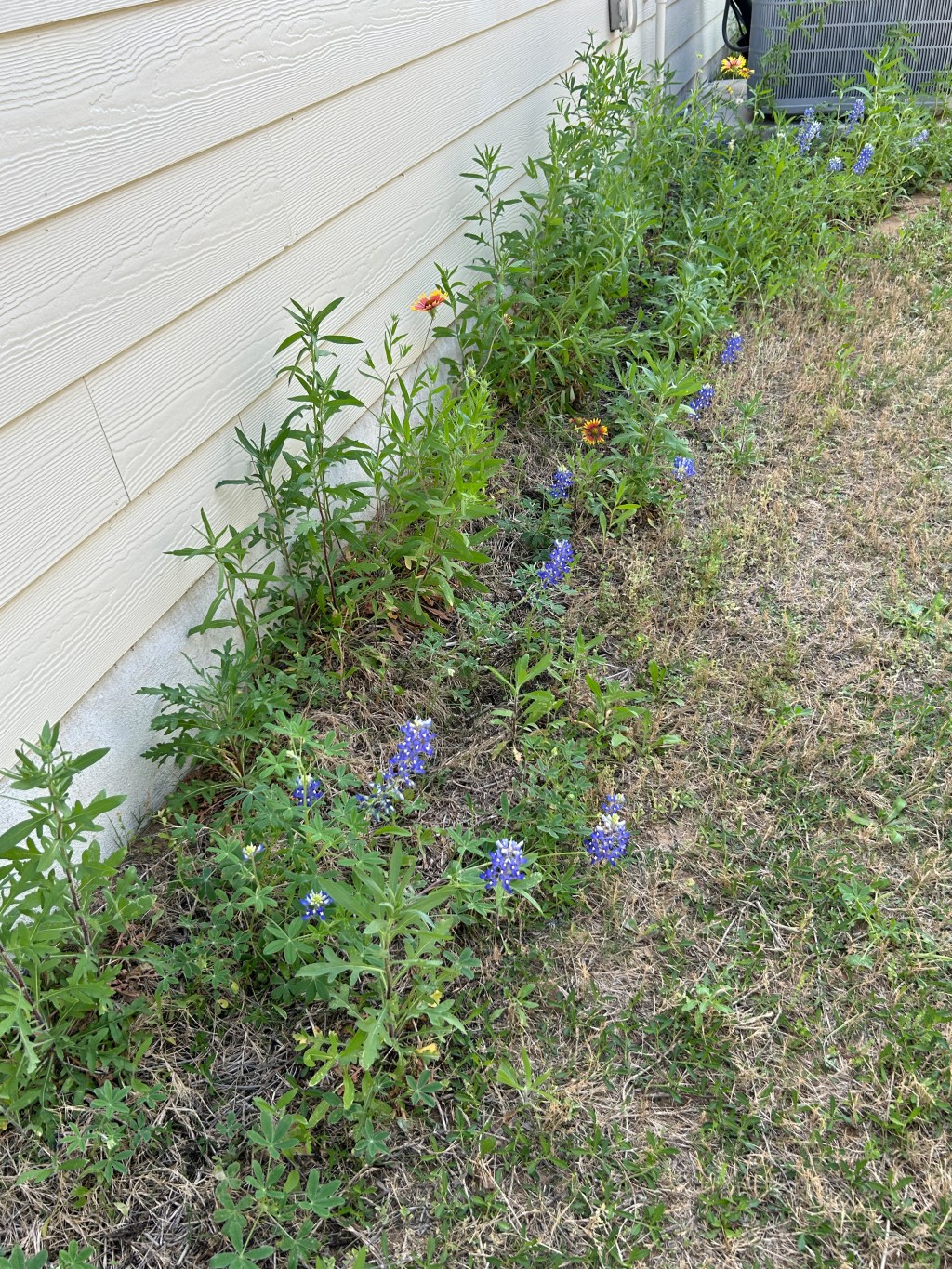
There is an area on the north side of the house where last year I planted a few shade plants (e.g., Frostweed, Chile Pequin, Pigeonberry, Inland Sea Oats aka Inland Wood Oats, Lyreleaf Sage), and they are doing well. For a year now I have been putting mulch made from shredded plants from other areas… Continue reading
-
Passionflower Cutback
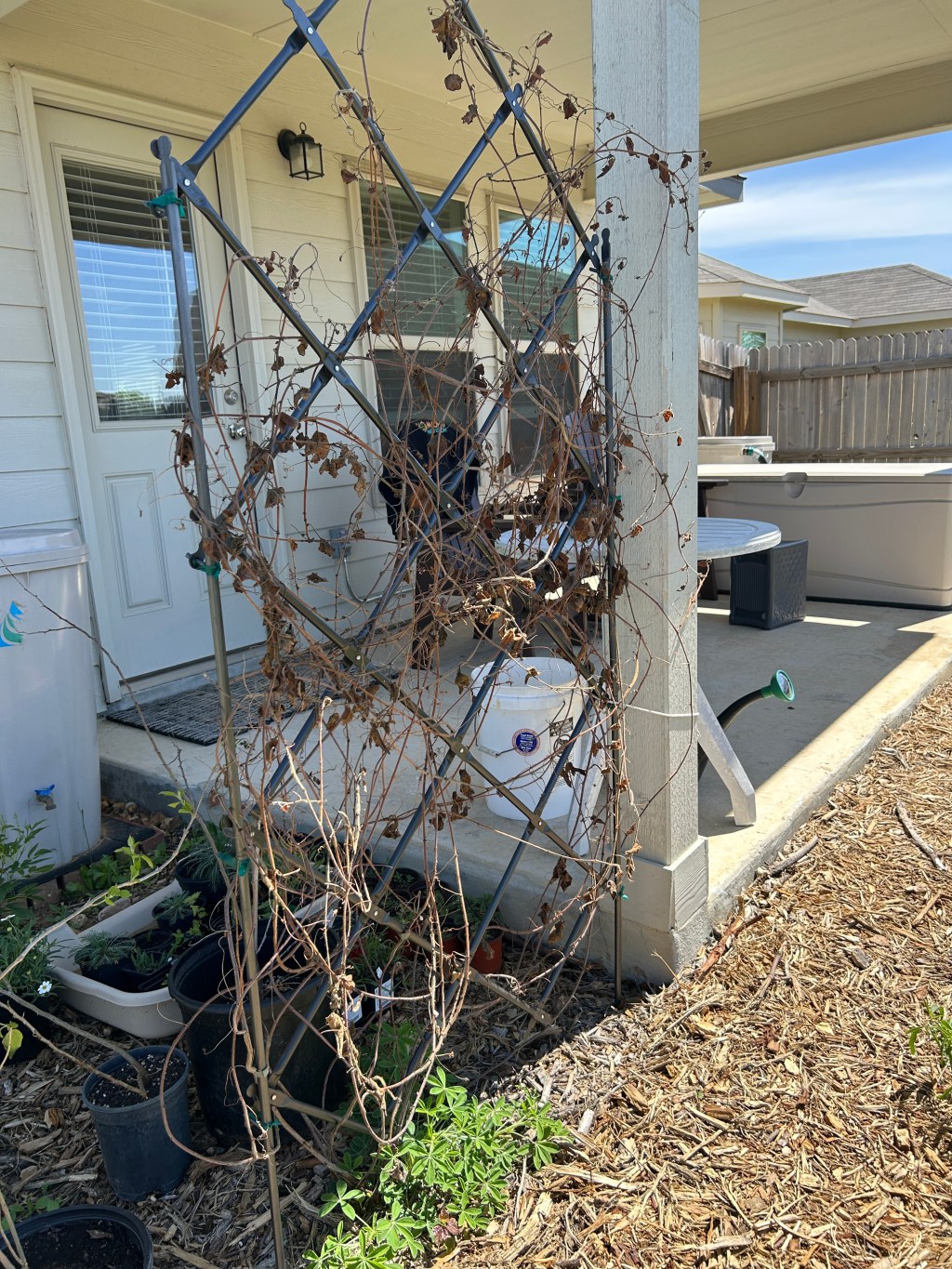
The passionflower that I have (Scarletfruit Passionflower, Passiflora lanuginosa) is not a true native. However, it functions well as a host plant for Gulf Fritillary (Dione vanillae) butterflies, and attracts other nectar-feeding insects. Providing human interest, the flowers are amazingly intricate and the fruits brightly colored. I’ve eaten the fruits, although they are not the same… Continue reading
-
A Pink Bluebonnet
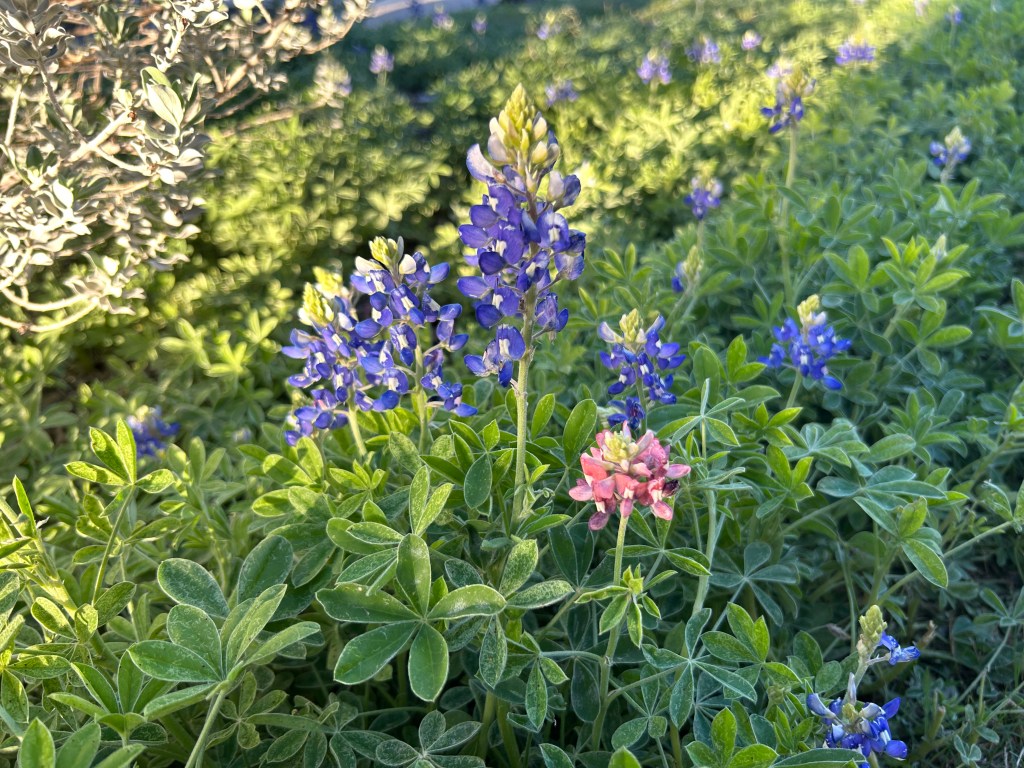
Occasionally I have seen white bluebonnets here. I wrote about that when I saw my first one, but I’ve seen a few more of them now. What I hadn’t seen until now was a pink bluebonnet. This one popped up in my wildflower meadow. Pink blooms result from a normal genetic mutation that sometimes occurs… Continue reading
-
Unintended Companions
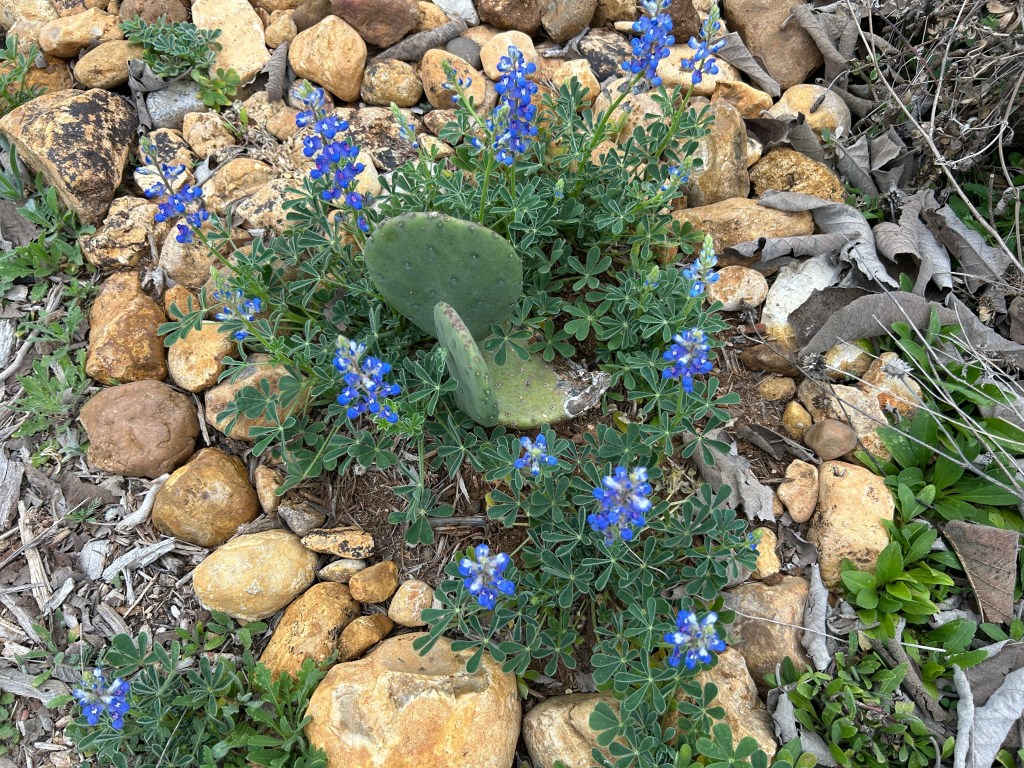
In May 2025 I planted a Spineless Prickly Pear (Opuntia ellisiana) that had been propagated from a mature plant in San Antonio. It still has only its two original vertical pads, but they have grown in size since planting. Volunteer Texas Bluebonnets (Lupinus texensis) have taken advantage of open soil beside the Prickly Pear and… Continue reading
-
Defining A New Area Under The Desert Willow
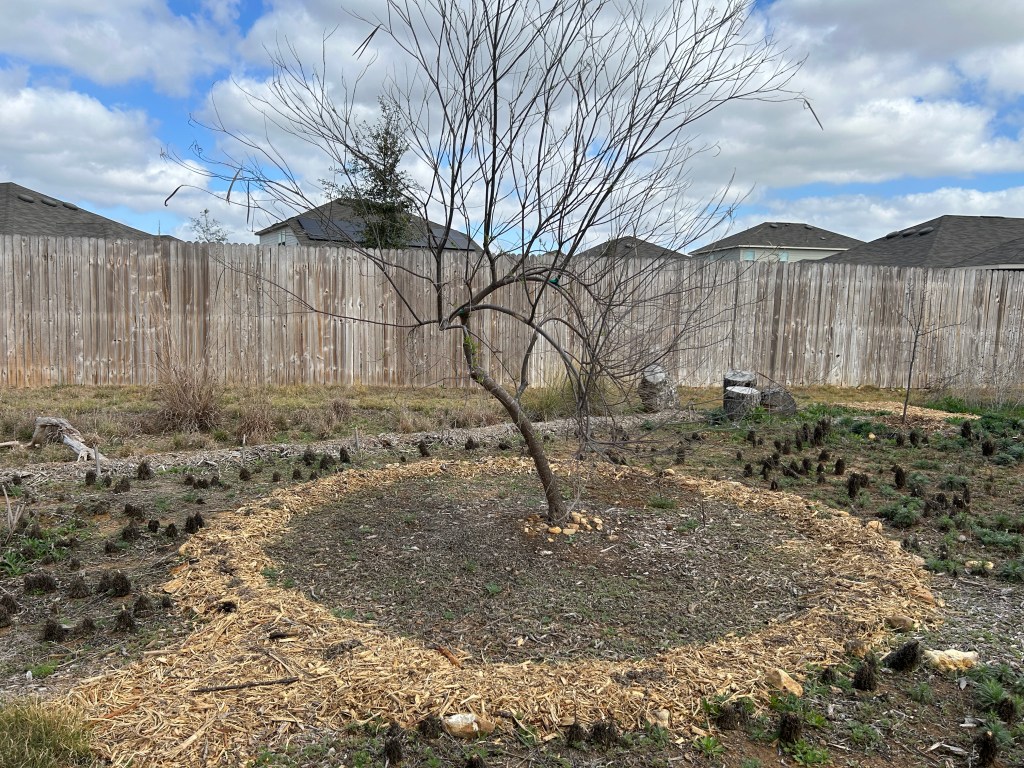
The Desert Willow (Chilopsis linearis) is the second tree that I planted here, in spring 2023, and the one that has grown the fastest. It is currently at least 11 ft tall. As it has grown, I have increased the size of its mulch ring to more or less match the reach of the branches.… Continue reading
-
Bluebonnets And Wildflowers As Early Succession Plants
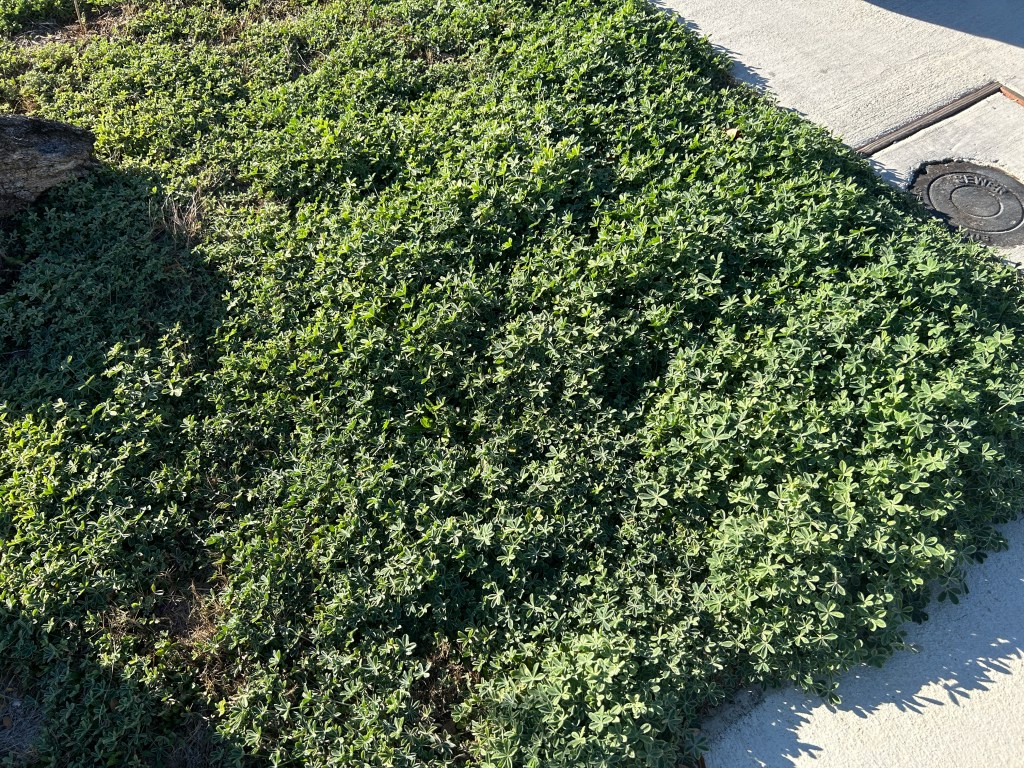
Secondary ecological succession naturally occurs after land is disturbed in some way. This is when plants and other aspects of nature appear in a somewhat predictable order to repopulate an area that has been disrupted by fire, hurricane, farming, etc. (Primary succession occurs in areas where there has never been soil before, such as at… Continue reading
-
Rapid Freeze Recovery
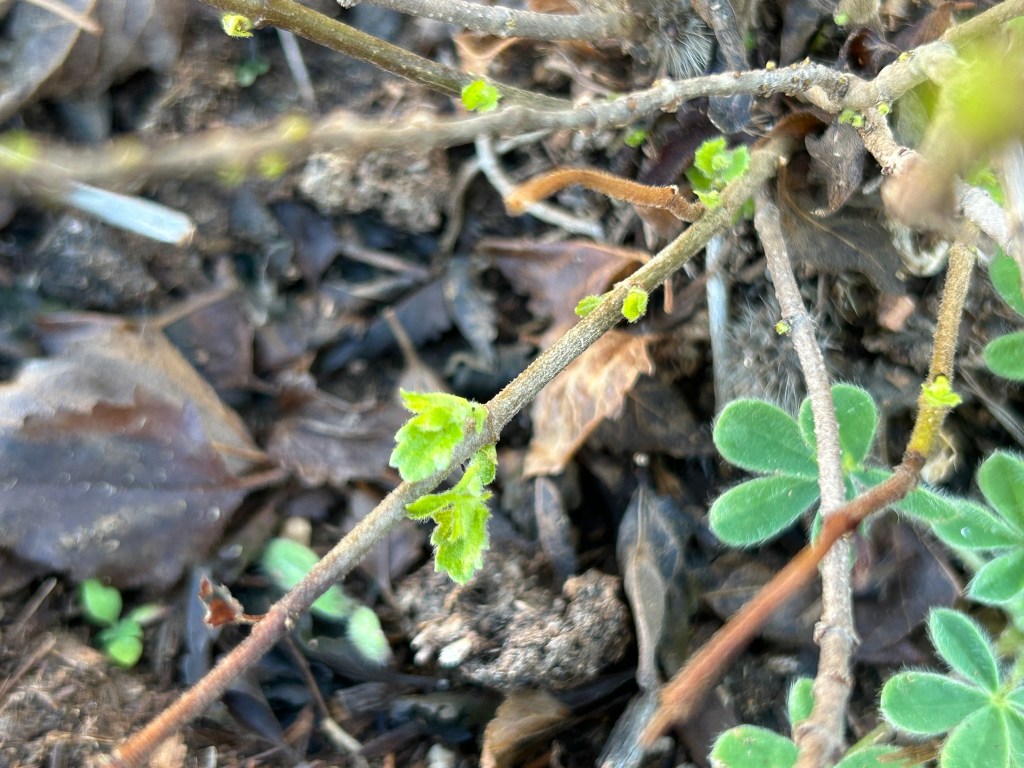
In mid February in central Texas, it’s still too early to say whether we’ll get another freeze this winter. In January we had a single night in the 20s F, and a few days later a more extended period of freezing with overnight temperatures in the teens F. For several of the deciduous perennials here,… Continue reading
-
The First Bluebonnet Blooms Of 2026
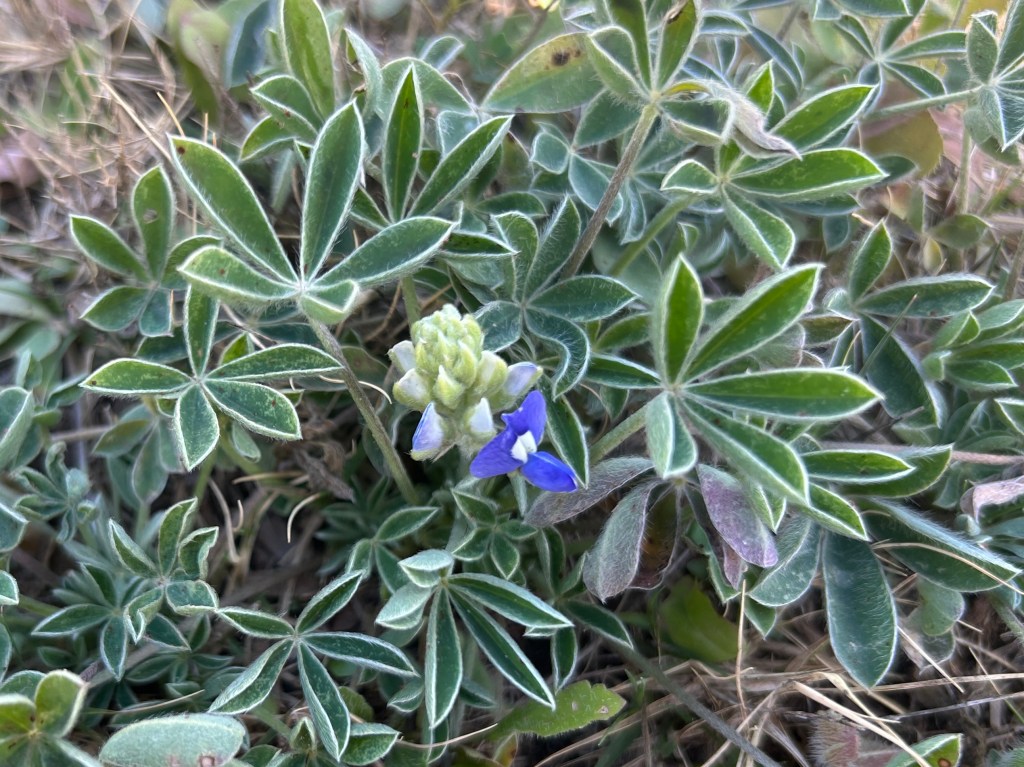
I seeded Texas Bluebonnets (Lupinus texensis) in front of the house in fall 2023 and now there are hundreds of plants in that “meadow” area. There are also many behind the house as well. This is how tightly packed they are near the street. Bluebonnets are among the earliest of the wildflowers to bloom, and… Continue reading
-
How Did The Garden Handle A (Wet) Freeze?
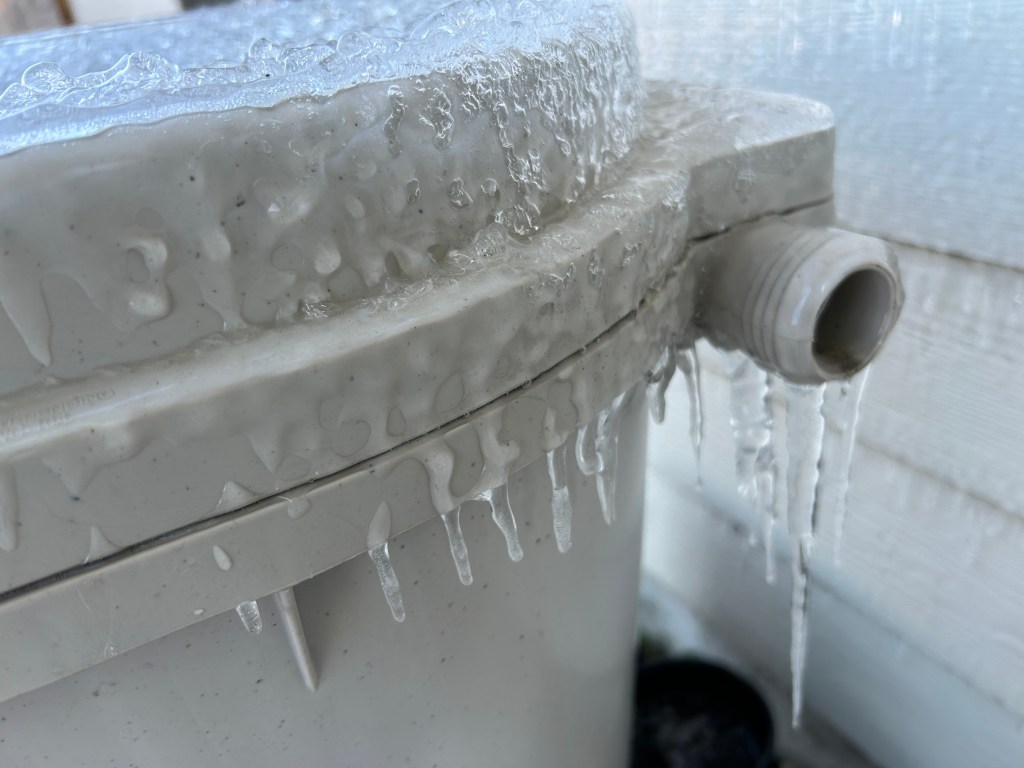
Since the garden here is primarily made up of native plants, I generally don’t need to worry about winter freezes — the plants have evolved to handle those situations. However, there are a few protective things that I do before, during, and after freezes to take extra care. Here’s a summary. Until January 2026, the… Continue reading
-
A Mid November Look Around The Garden

It is already mid November, but even for central Texas we still have unusually high temperatures (daytime 80s F). Despite the warmth, the garden is clearly making seasonal changes so I thought it might be interesting to take a look around. I keep the area in front of the house fairly neat. For instance, I… Continue reading
american beautyberry, beach sunflower, blackfoot daisy, bluebonnet, common sunflower, cowpen daisy, fall, flame acanthus, food, frogfruit, frostweed, habitat, indiangrass, leaf litter, meadow, mealy blue sage, mexican mint marigold, mexican plum, native grasses, rock rose, season, shelter, shrubby boneset, texas mountain laurel, white mistflower, yellow yucca
About Me
Nature Lover.
Inquisitive Observer.
Student Gardener.
I invite you to join me on my journey to convert my sterile (from a nature point of view) new house lot to a healthy and diverse ecosystem, as I make discoveries, mistakes, and hopefully progress. I am not an expert or professional. The project started in February 2023 and the location is Seguin, Texas, USA.
 Rewilding My Lot