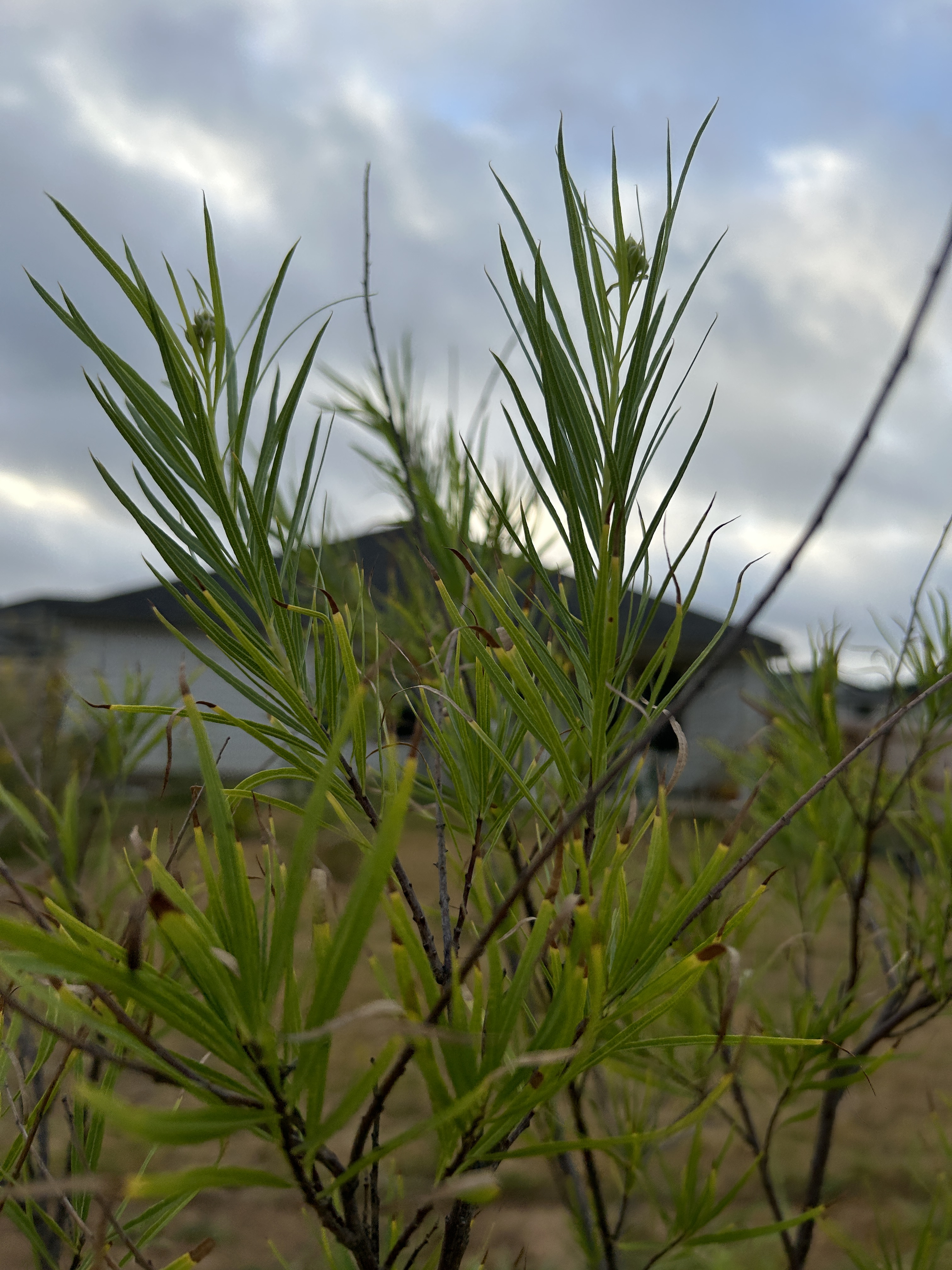
bluebonnet
-
Increasing Diversity In The Wildflower Meadow
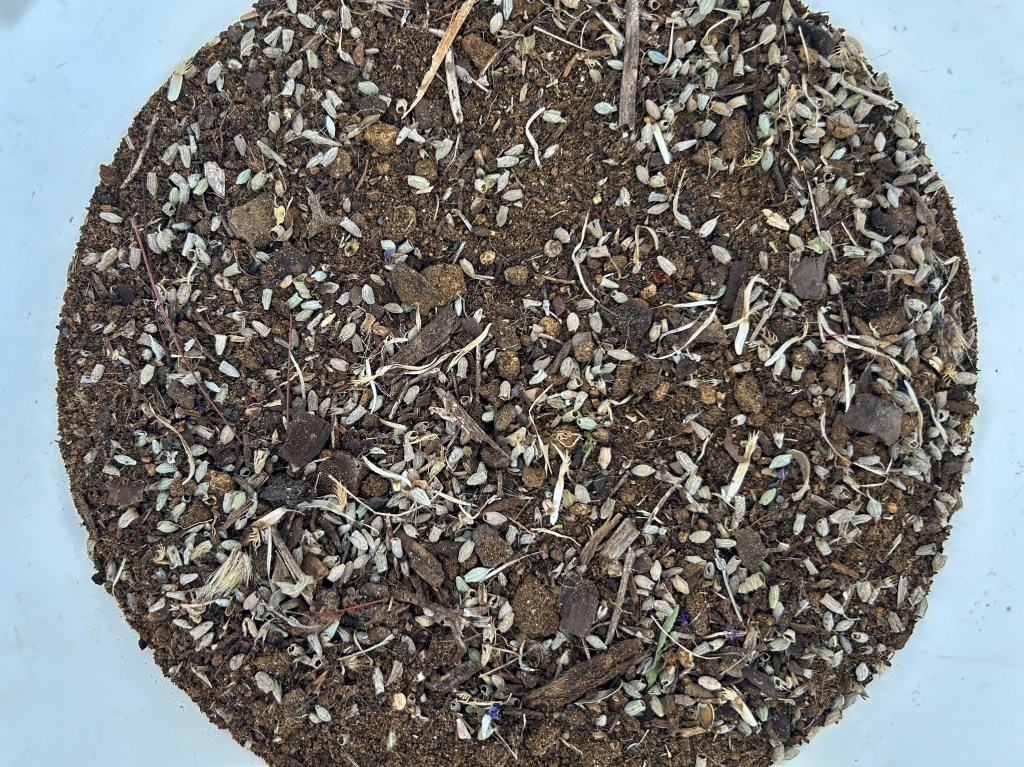
The wildflower meadow in the front of the house has completed two seasons of growth. Bluebonnet (Lupinus texensis) and Firewheel aka Indian Blanket (Gaillardia pulchella) have done very well, with some spectacular displays in the spring. A few other wildflowers have grown too, but even though this is a small and limited area, I would… Continue reading
-
Fall Mowing Of The Wildflower Meadow

October is a good time to put the wildflower meadow in front of the house to bed for the winter. It’s a seasonal project, so to keep the area tidy this is when it gets a good trim. The process for 2025 was largely the same as I did in October 2024. The plants still… Continue reading
-
Confused Wildflowers
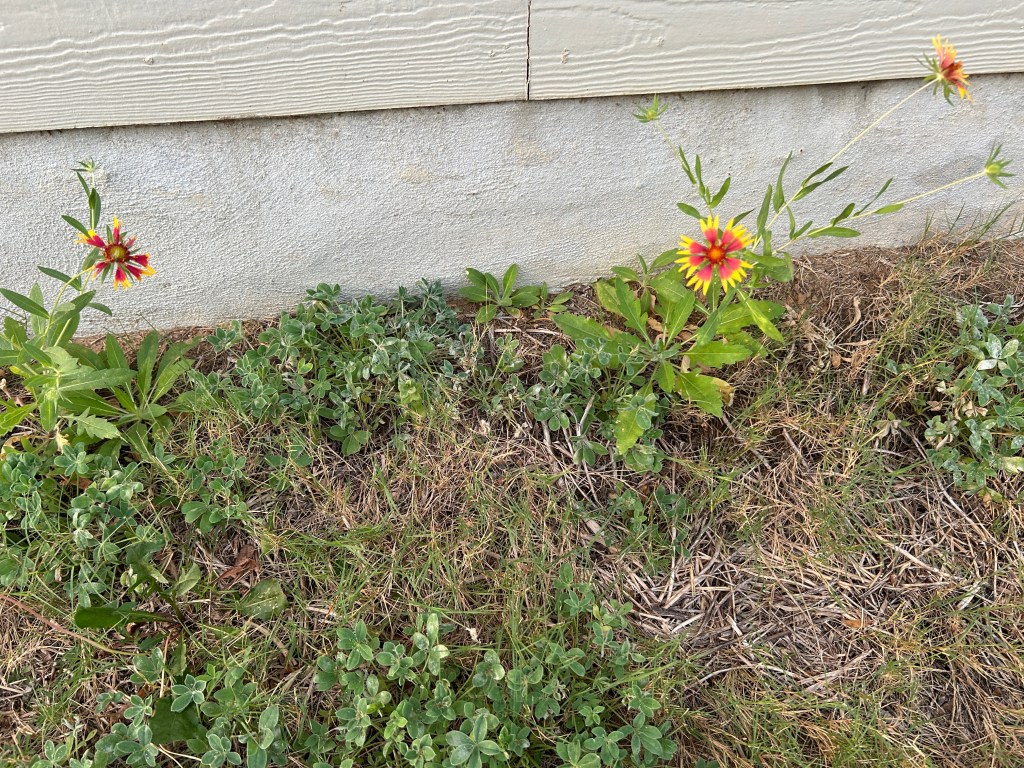
When annual plants have finished here, I shred them and lay the resulting material down as mulch. Often there are seeds in what gets put down, and sometimes those seeds grow. One of those places is the strip next to the house on the north side. Here, the Bermudagrass doesn’t grow well in the shade… Continue reading
-
Wildflower Meadow Nearing The End Of Its Season
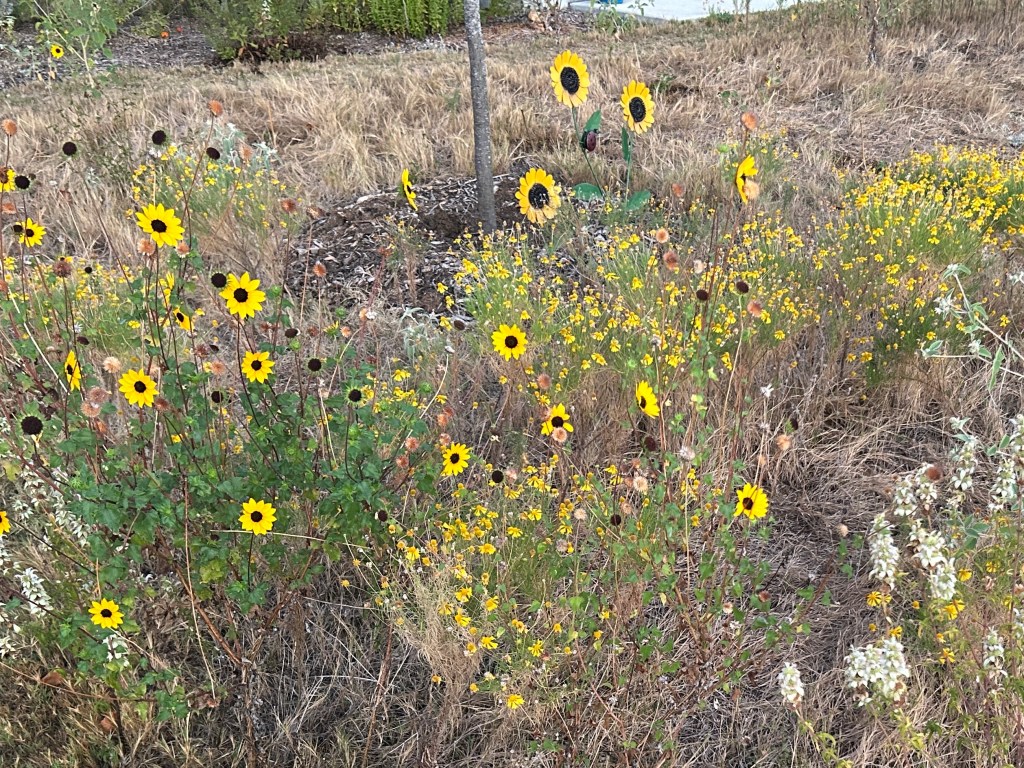
The current status of the wildflower meadow in front of the house is that much of the area is empty and the flowers that remain are mostly yellow and white. Primarily what is growing at the beginning of October are Beach Sunflowers (Helianthus debilis), Yellow Sneezeweed (Helenium amarum), Lindheimer’s Doveweed aka Woolly Croton (Croton lindheimeri),… Continue reading
-
Bonus Wildflowers Beside The House
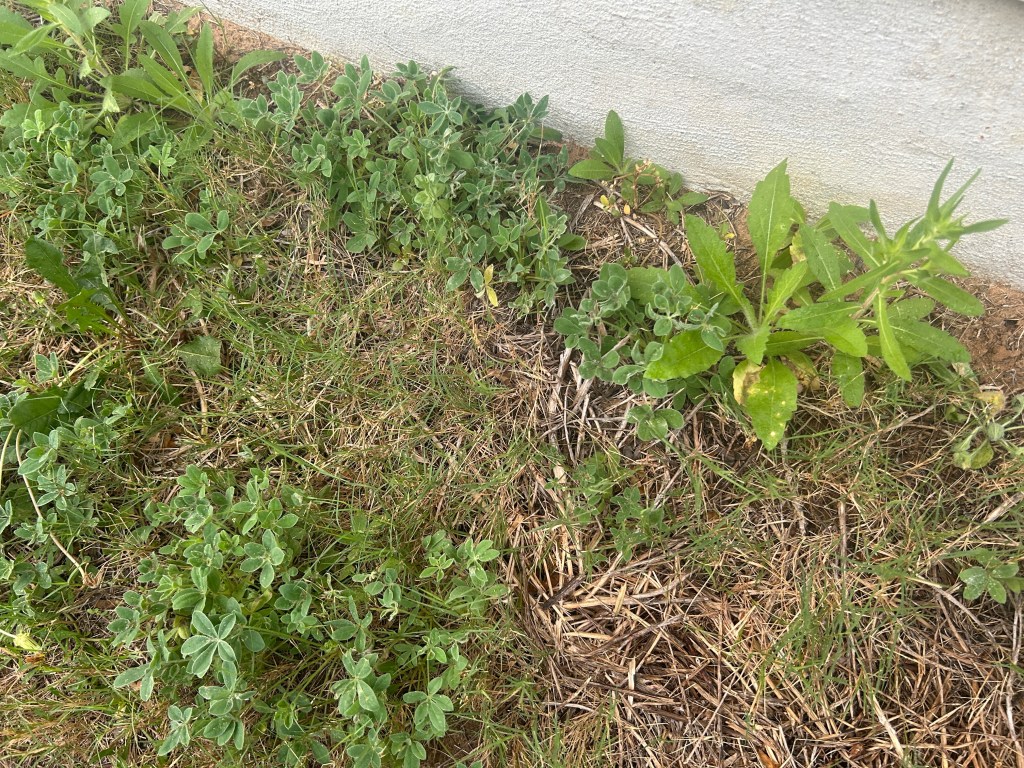
One of the areas in the garden that I am newly developing this year is the narrow strip of land that is on the north side of the house. Because of shade, the builder-installed Bermudagrass is not doing well. However, Bermudagrass is not helpful for the environment and I have no intention of encouraging it… Continue reading
-
Bluebonnets Growing In Shredded Mulch

Not long ago, I put some shredded annual plants on ground that is in need of restoration — it’s north-facing, shaded, and eroded from roof runoff. I knew that the material I spread was likely to contain wildflower seeds (especially Bluebonnet and Firewheel aka Indian Blanket) but I don’t mind if they grow for now.… Continue reading
-
The Next Chapter In The Wildflower Meadow
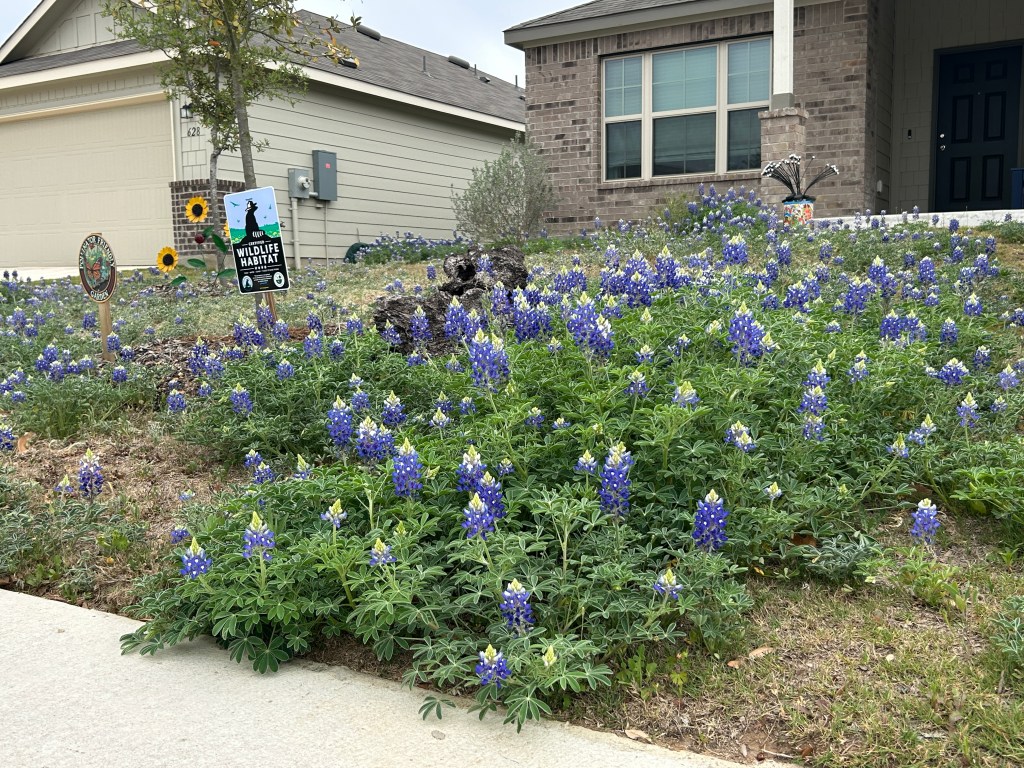
In March and April there was a surprisingly impressive display of Texas Bluebonnets (Lupinus texensis) in the wildflower meadow in front of the house (see first photo in this post). It was surprising because elsewhere in Central Texas where we would normally see bluebonnets in fields and beside roadsides, the displays have been poor this… Continue reading
-
Freaky Storm Event Yields Seed Gifts
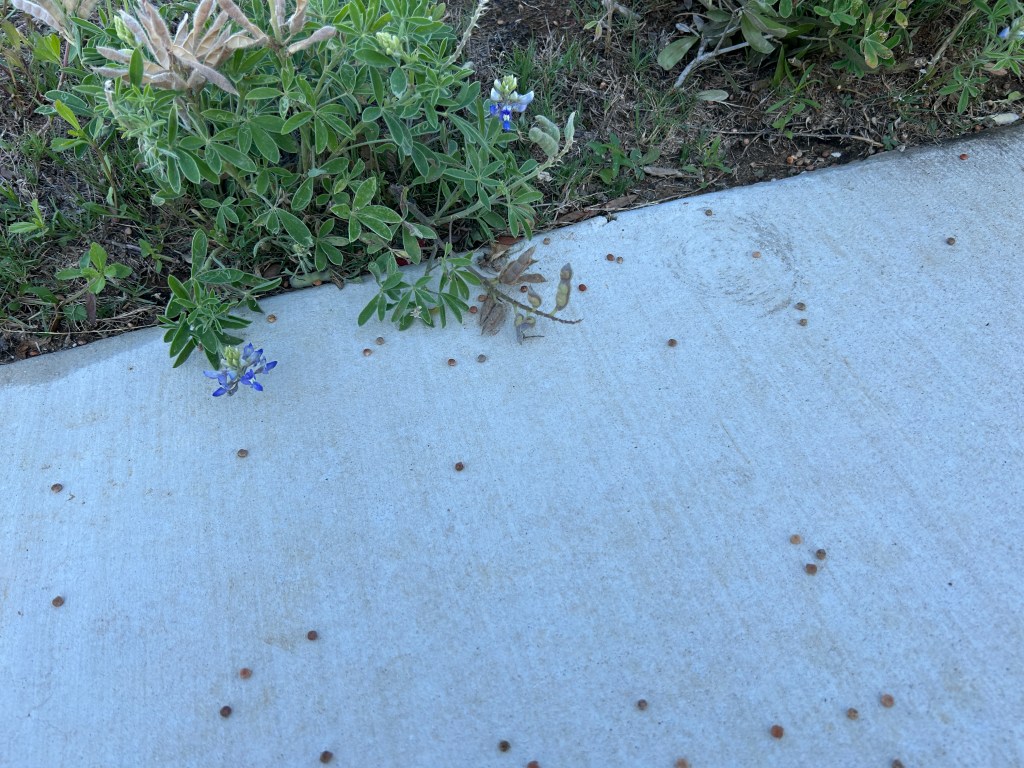
We recently had a very heavy storm pass through, which brought 1.45 inches of much-needed rain. Accompanying the rain was hail and extremely strong winds. The hail and/or wind was enough to flatten some plants and tear a few small branches, but nothing serious. The winds were also fierce enough to blow open the large… Continue reading
-
New Blooms In The Pollinator Garden
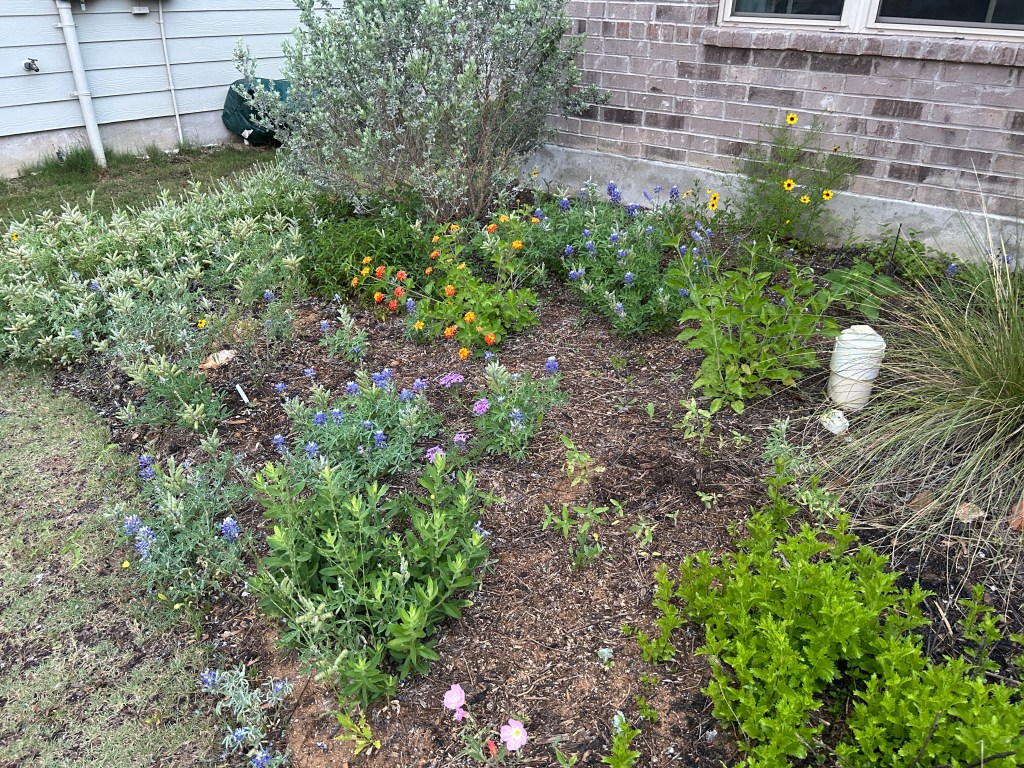
The pollinator garden in front of the house is waking up nicely and a number of things are now blooming. Most are perennials, which die back or lose their leaves during the winter break and then make new growth the next spring. Some are annuals, which grew from seed dropped last year. And note, this… Continue reading
-
A Breakfast View Of The Front Garden
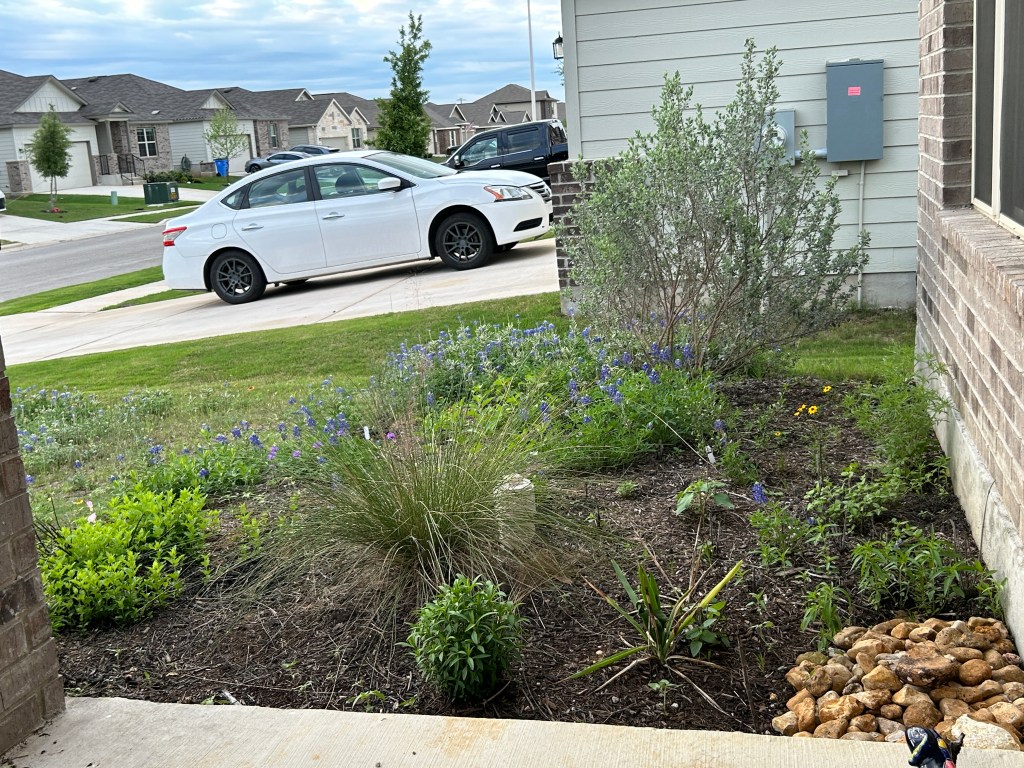
A few cold nights sent me to the east-facing front porch for breakfast where it’s sunnier in the mornings. So while I was there I took a few photos. I was supervised by our resident Barn Swallows. The female got the cozy nest, the male got to sit outside. They seem fairly accustomed to us… Continue reading
About Me
Nature Lover.
Inquisitive Observer.
Student Gardener.
I invite you to join me on my journey to convert my sterile (from a nature point of view) new house lot to a healthy and diverse ecosystem, as I make discoveries, mistakes, and hopefully progress. I am not an expert or professional. The project started in February 2023 and the location is Seguin, Texas, USA.
 Rewilding My Lot