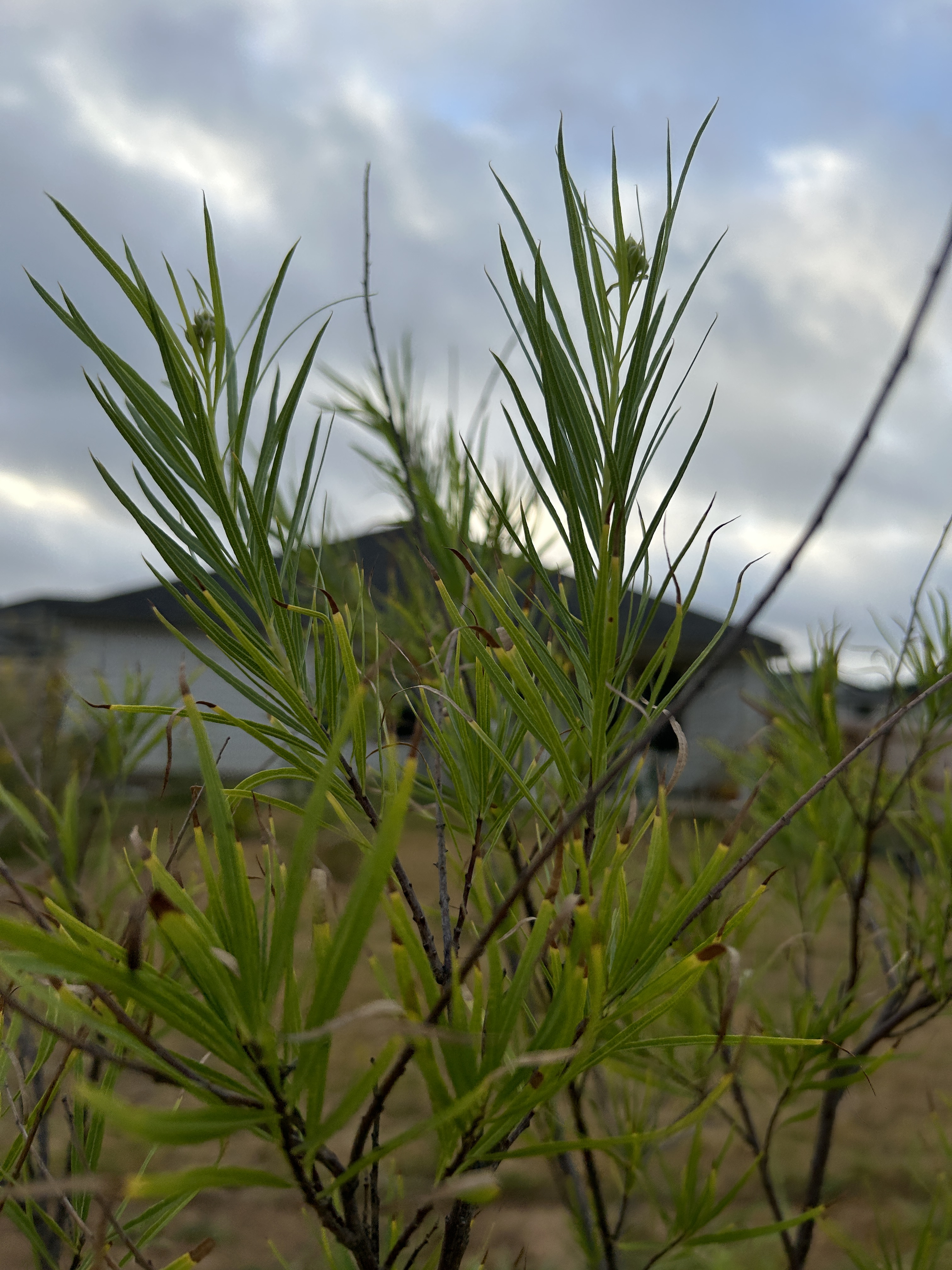
volunteer plant
-
Unexpected Wildflowers
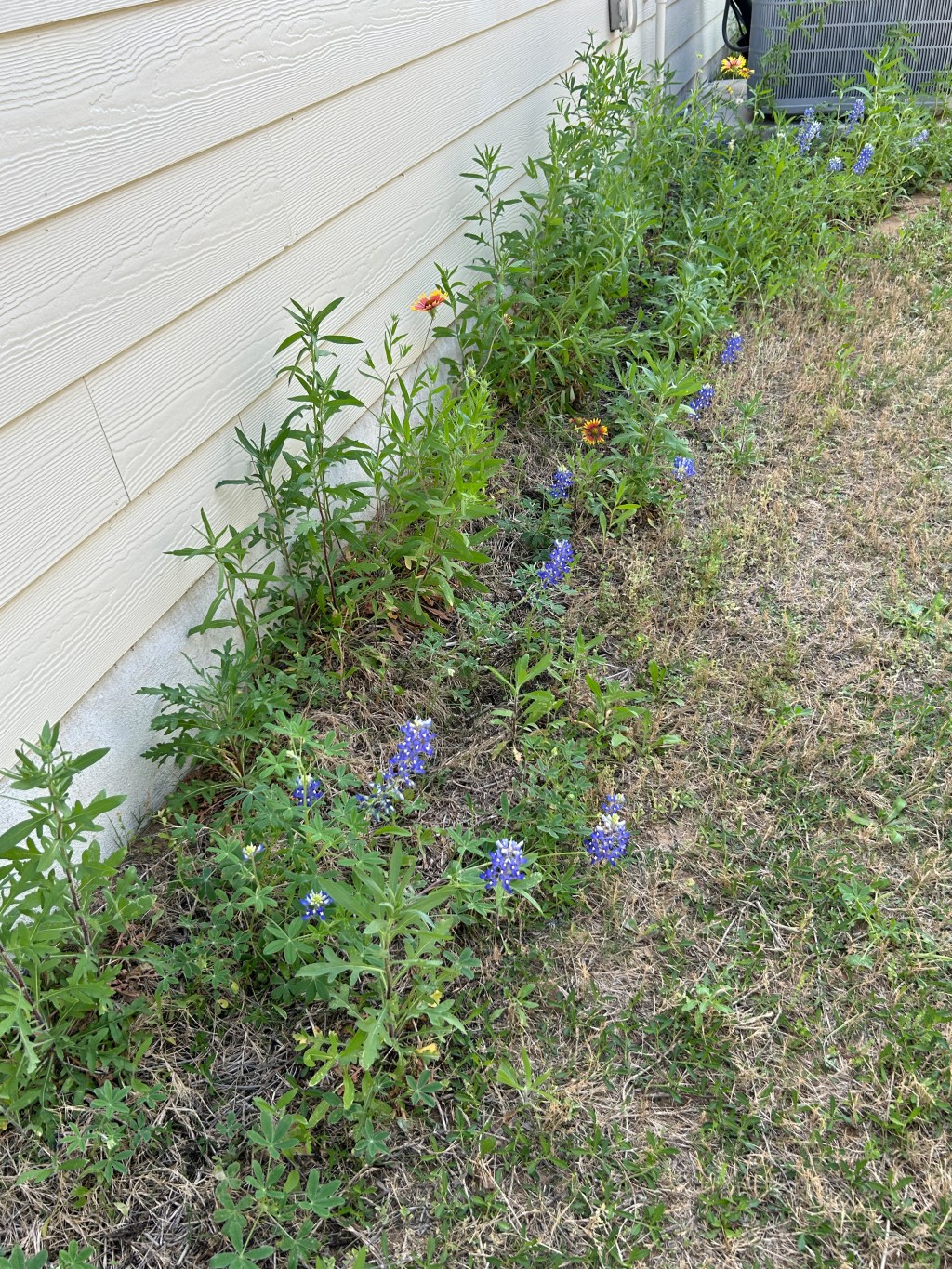
There is an area on the north side of the house where last year I planted a few shade plants (e.g., Frostweed, Chile Pequin, Pigeonberry, Inland Sea Oats aka Inland Wood Oats, Lyreleaf Sage), and they are doing well. For a year now I have been putting mulch made from shredded plants from other areas… Continue reading
-
Mexican Buckeye Survived The Winter, And Acquired A Companion
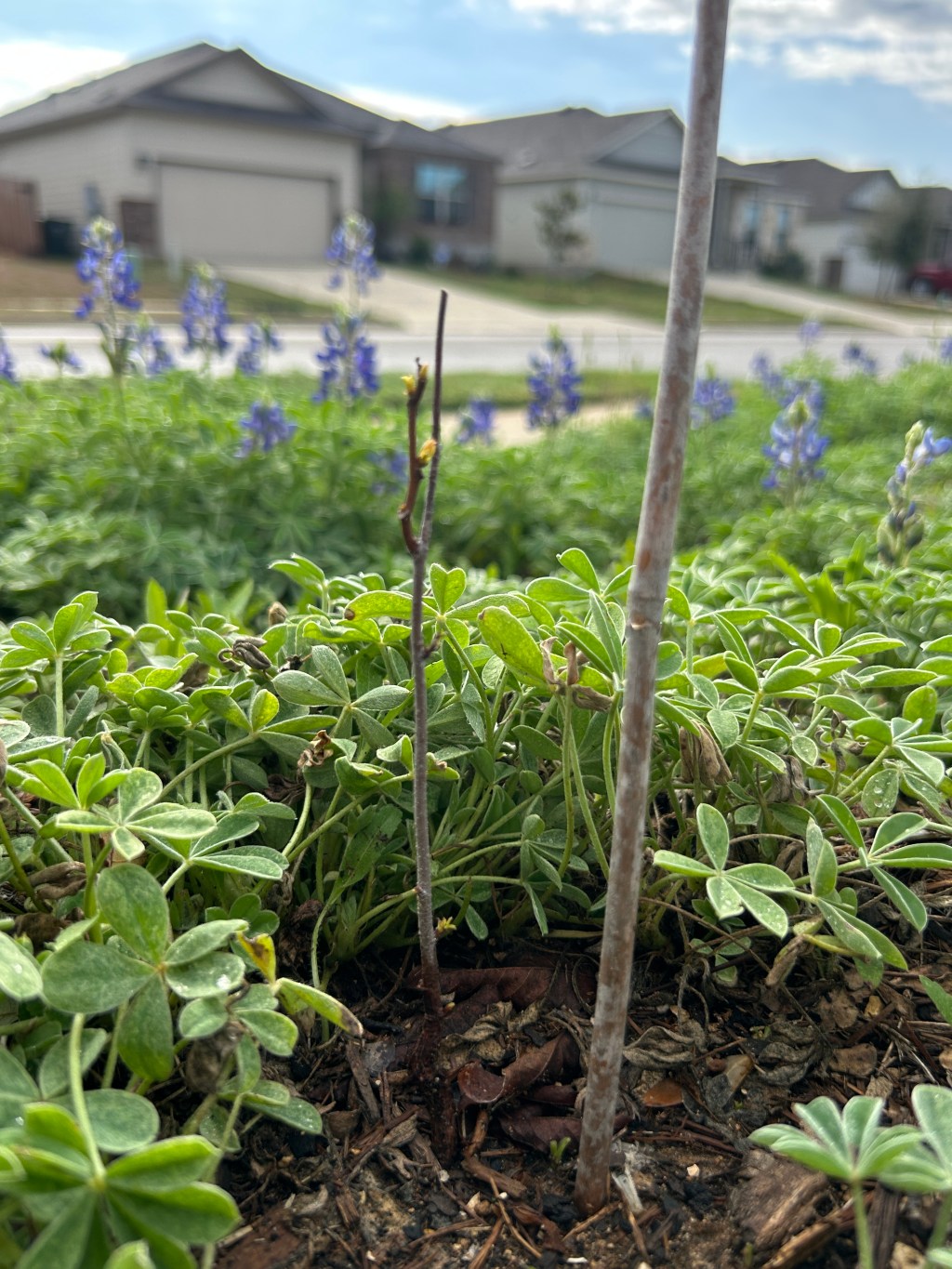
The first Mexican Buckeye (Ungnadia speciosa) seedling that I planted in front of the house in 2024 did not survive. I was gifted a replacement that was planted in 2025. This little tree started last winter just 7 inches tall. I protected it from the freezes with mulch against the trunk, preventive watering, and a… Continue reading
-
Pussyfoot Has Appeared Again
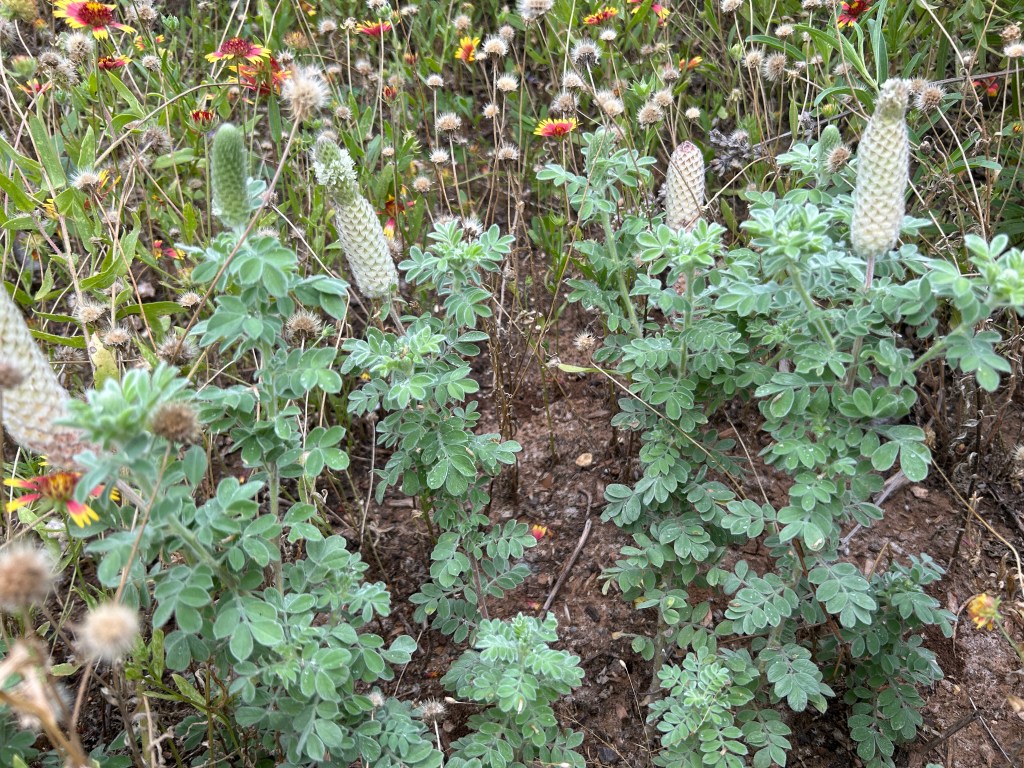
Last year I had a volunteer Pussyfoot (Dalea obovata) plant. I have just found another one hidden among a mass of wildflowers. This is a useful plant because it is a legume, and thus able to fix atmospheric nitrogen into the soil via a symbiotic relationship with rhizobia bacteria. For that nitrogen to be available for… Continue reading
-
Aquatic Plants
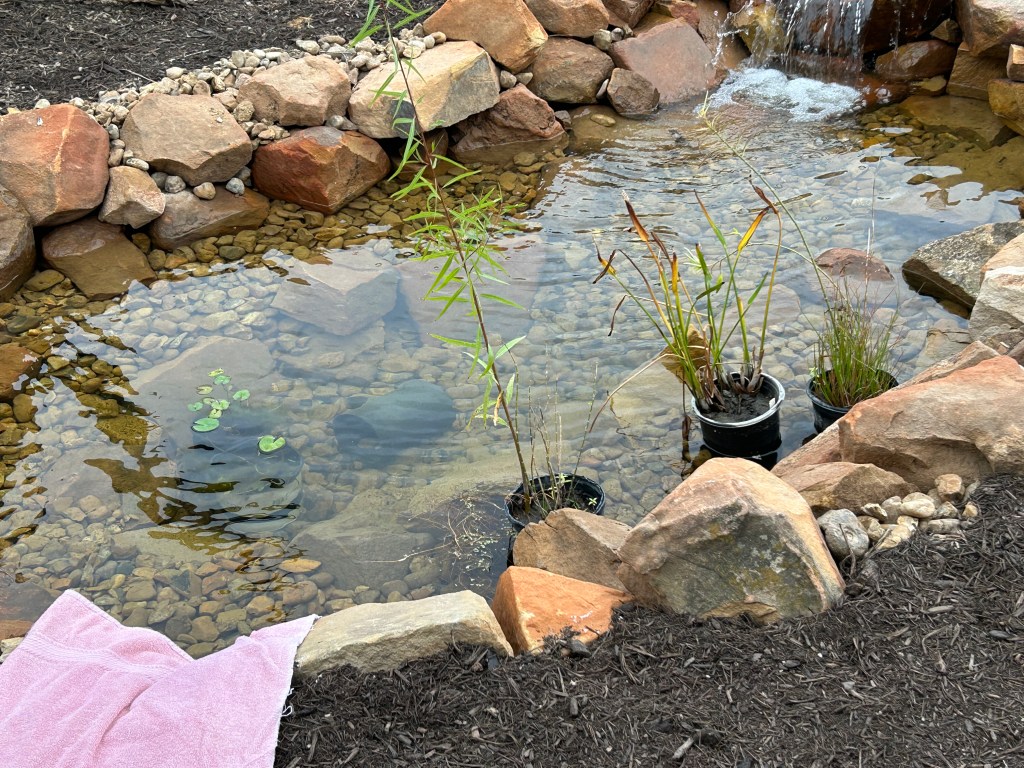
I’ve never had a pond before, so learning how to manage that environment will be a whole new thing for me. My goal is to build an ecosystem that relies as much as possible on biology and the interaction of different organisms to maintain a healthy equilibrium. One part of that ecosystem will be plants,… Continue reading
-
Woolly Croton, And Some Local History
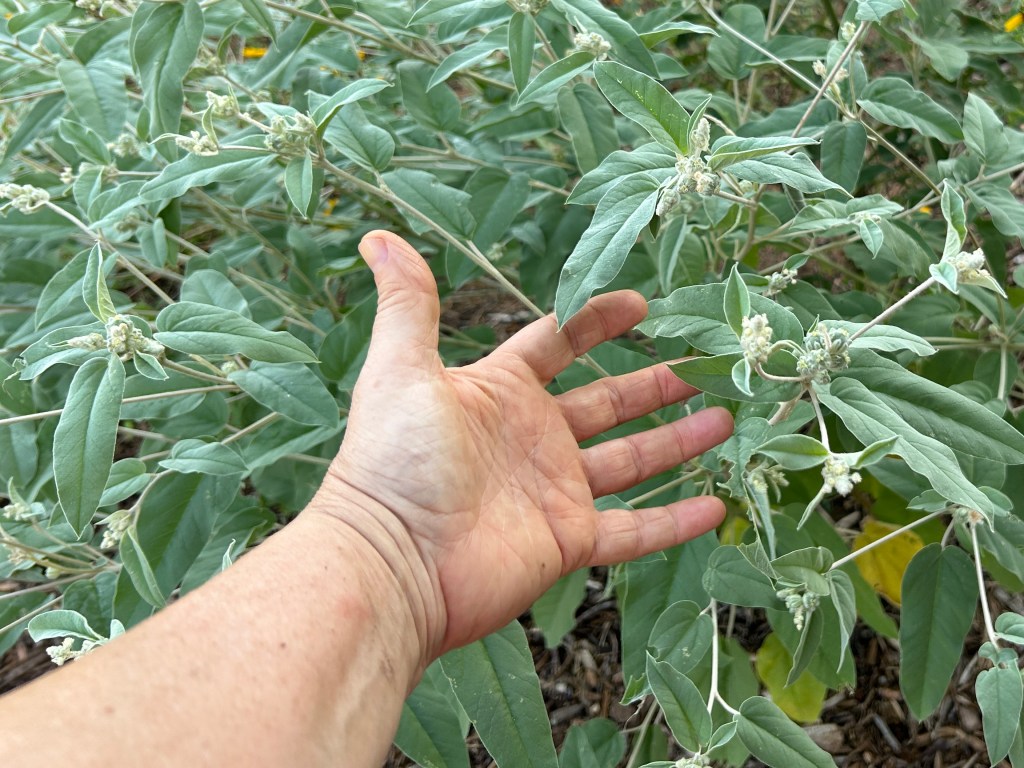
Woolly Croton (Croton capitatus var. lindheimeri) is a common volunteer here, and if it’s not in the way I have allowed it to stay. Doves will eat its seeds. Another name for this plant is Lindheimer’s Doveweed, in honor of Ferdinand Jacob Lindheimer (1801-1879) who is often called the Father of Texas Botany because of… Continue reading
-
Tall Grass Is Not What I Thought It Was
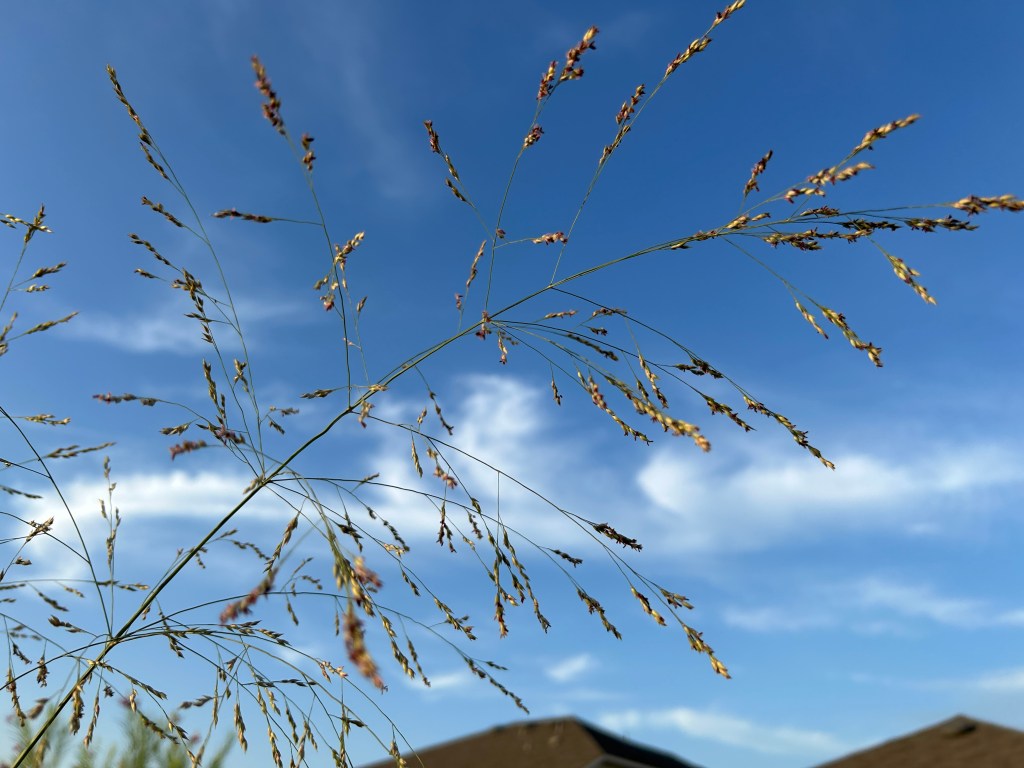
I have a small area of the back garden that I designated for mid-height prairie grasses. Some of the intended plants were transplanted in and some were seeded. One of the grass clumps that grew was clearly going to be tall, but I couldn’t identify it until it flowered. By the time that happened, the… Continue reading
-
Redwhisker Clammyweed
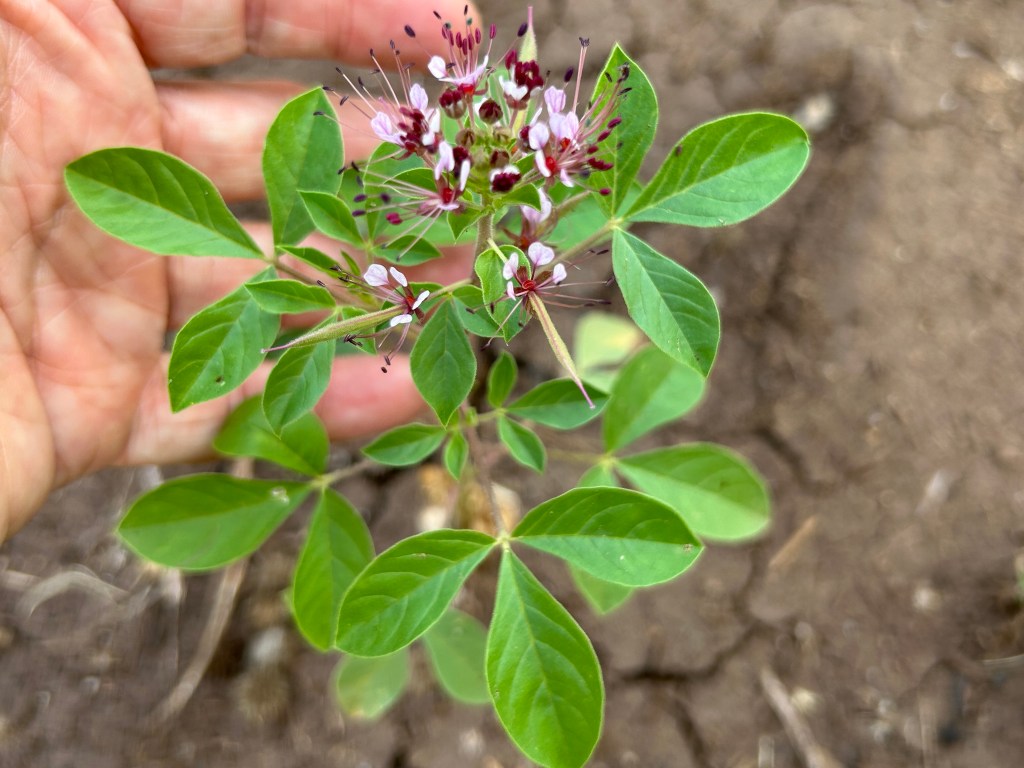
I first encountered Redwhisker Clammyweed (Polanisia dodecandra) while volunteering in Seguin’s Park West pollinator garden. It was a volunteer in that garden itself, but has been allowed to remain for now because it attracts the very tiniest of bees. I believe I have at least two of these volunteers here. One has handily placed itself… Continue reading
-
Tidying Up The Pollinator Garden
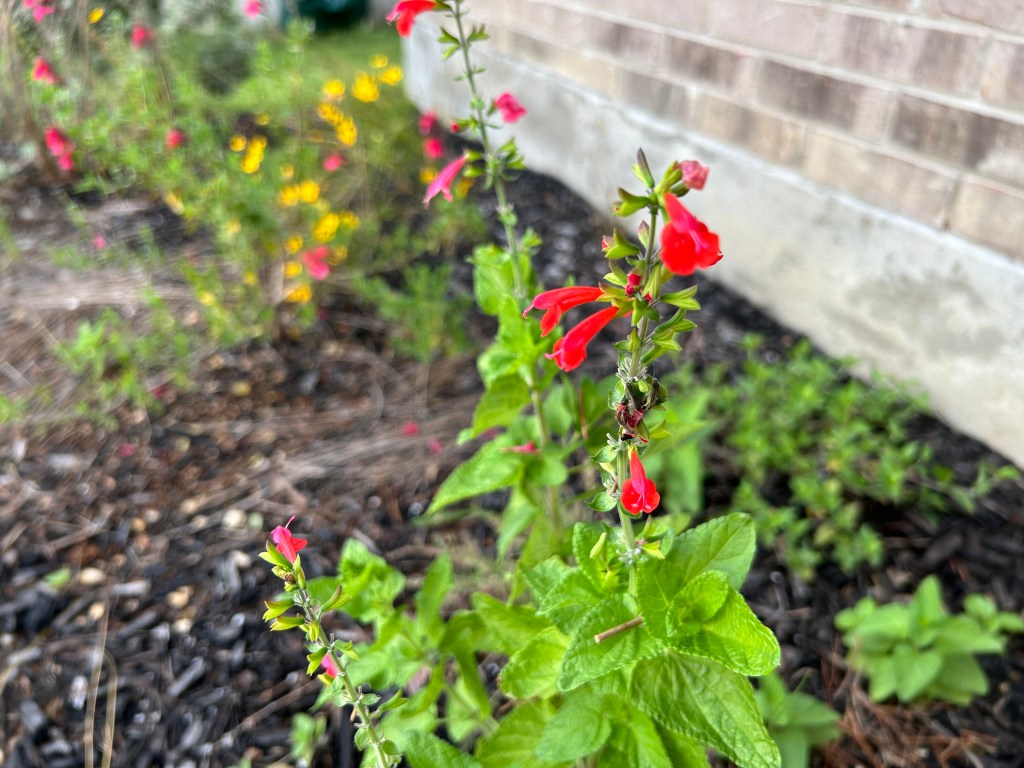
The front pollinator garden doesn’t need a lot of maintenance, but after a couple of weeks of my being away it was time for a little tidy-up. Specifically, the volunteer Spotted Beebalm aka Spotted Horsemint (Monarda punctata) had finished flowering and was lying on top of other plants that were actively growing. This is a… Continue reading
-
Texas Star, And A Petal Mystery

When I recently tidied up my native wildflower meadow, I found this tiny volunteer Texas Star aka Meadow Pink (Sabatia campestris). It’s an annual that readily self-seeds so hopefully I’ll see more next year. Initially I struggled with the ID because although this plant when I first saw it (photo below) looked in almost every… Continue reading
-
Tidying Up The Native Flower Meadow
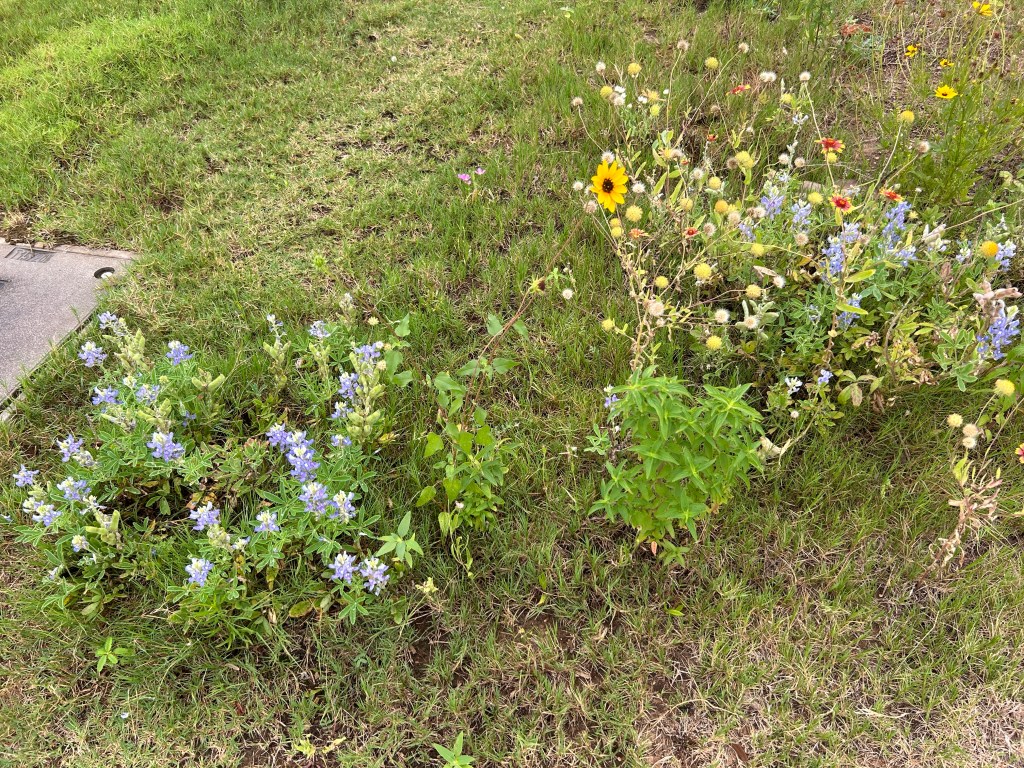
The native plant meadow is my most visible project, right in the middle of the front lawn. Therefore, I want to keep it relatively tidy (inasmuch as a wild nature project can be), and one recent morning’s gardening session was devoted to cleanup in the meadow. By now, I am confident that a lot of… Continue reading
About Me
Nature Lover.
Inquisitive Observer.
Student Gardener.
I invite you to join me on my journey to convert my sterile (from a nature point of view) new house lot to a healthy and diverse ecosystem, as I make discoveries, mistakes, and hopefully progress. I am not an expert or professional. The project started in February 2023 and the location is Seguin, Texas, USA.
 Rewilding My Lot