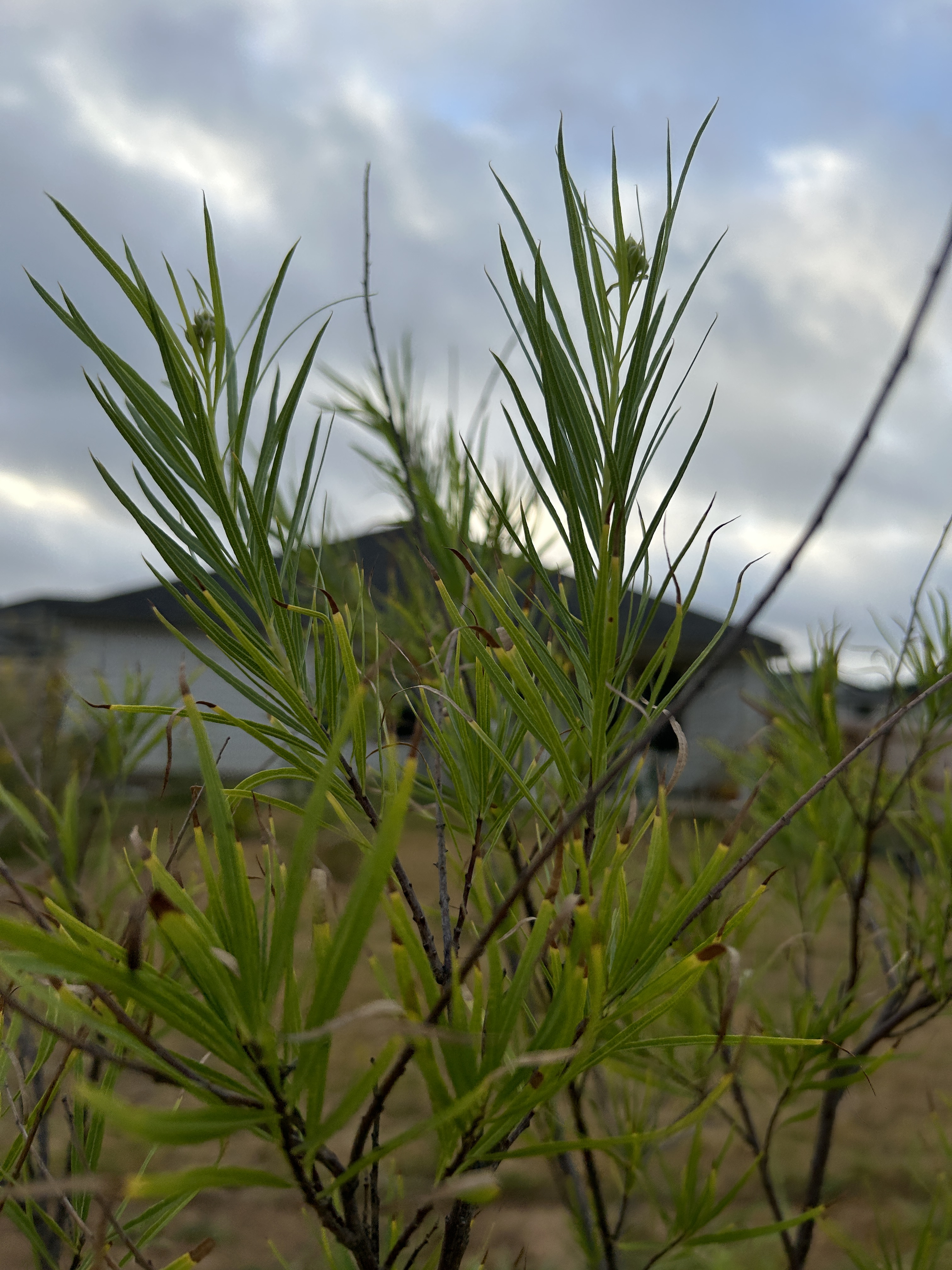
weed
-
Spring Trim Of The Back Yard
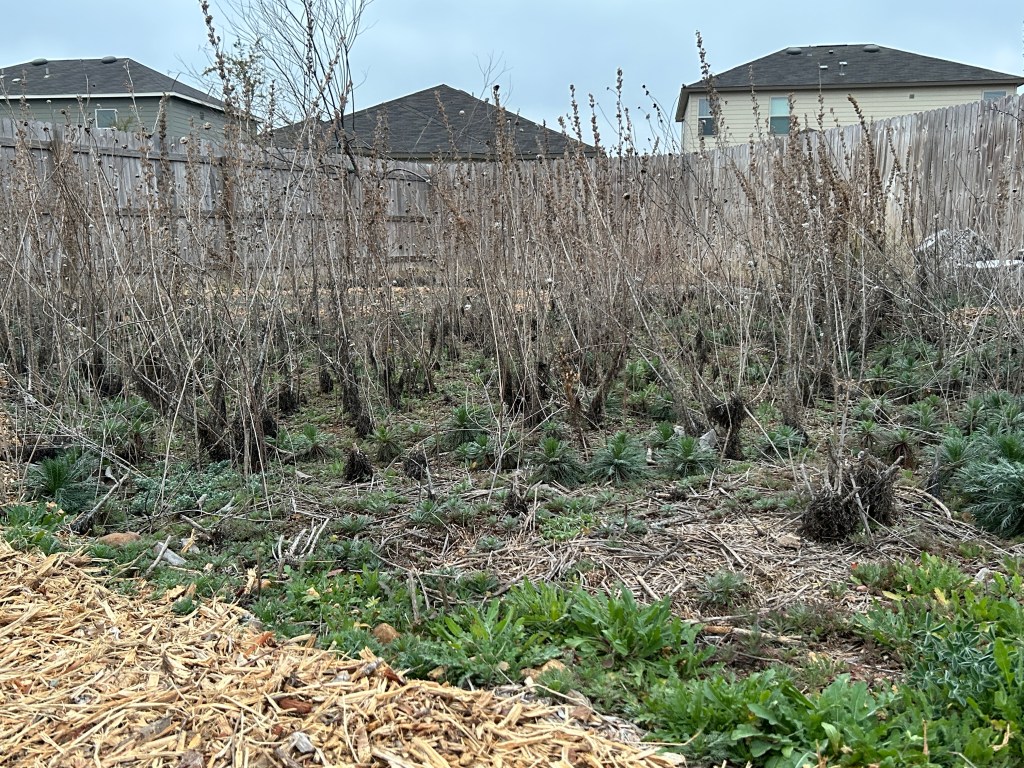
Trimming away dead parts of plants in front of the house was a fairly small job. The meadow area had already been cleaned up last October, and tidying up the pollinator garden plants a week ago didn’t take very long. The back yard is a different story. Because it’s out of view, I let it… Continue reading
-
Trying Not To Repeat Last Year’s Spurge Mistake
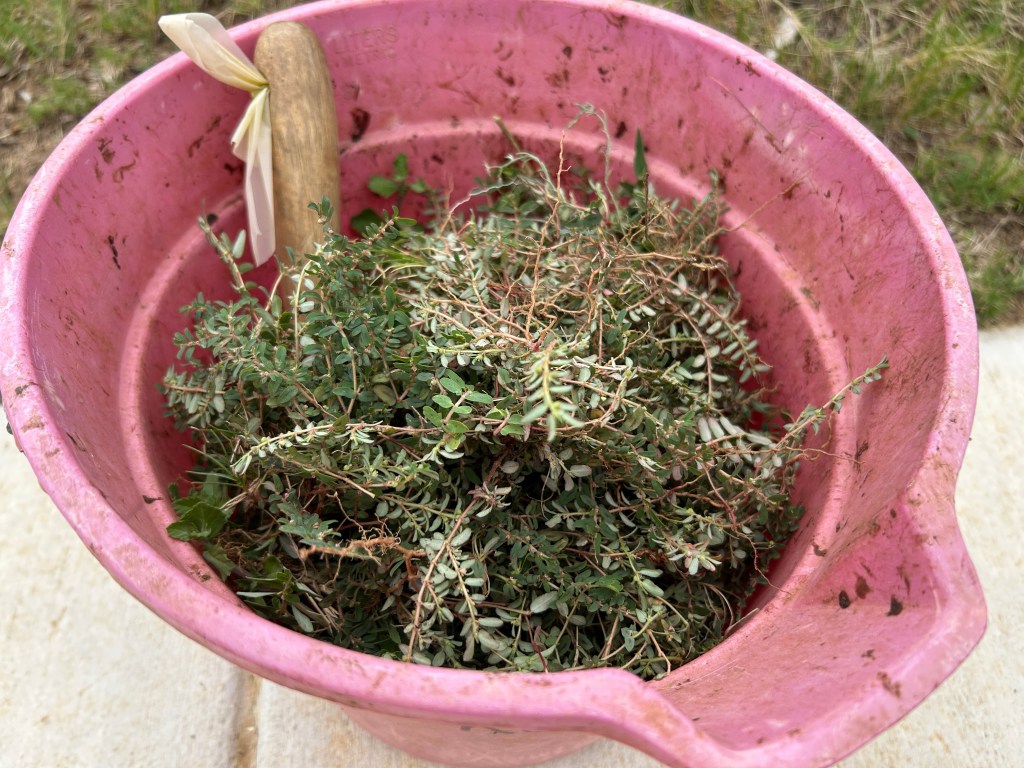
Last year I had a lot of Spotted Spurge weeds. I made the mistake of letting them seed before I eventually pulled them out, and so I expected that there would be a lot this year as well. Spotted Spurge is indeed here in abundance and I will try to be more diligent about removing… Continue reading
-
Prickly Lettuce
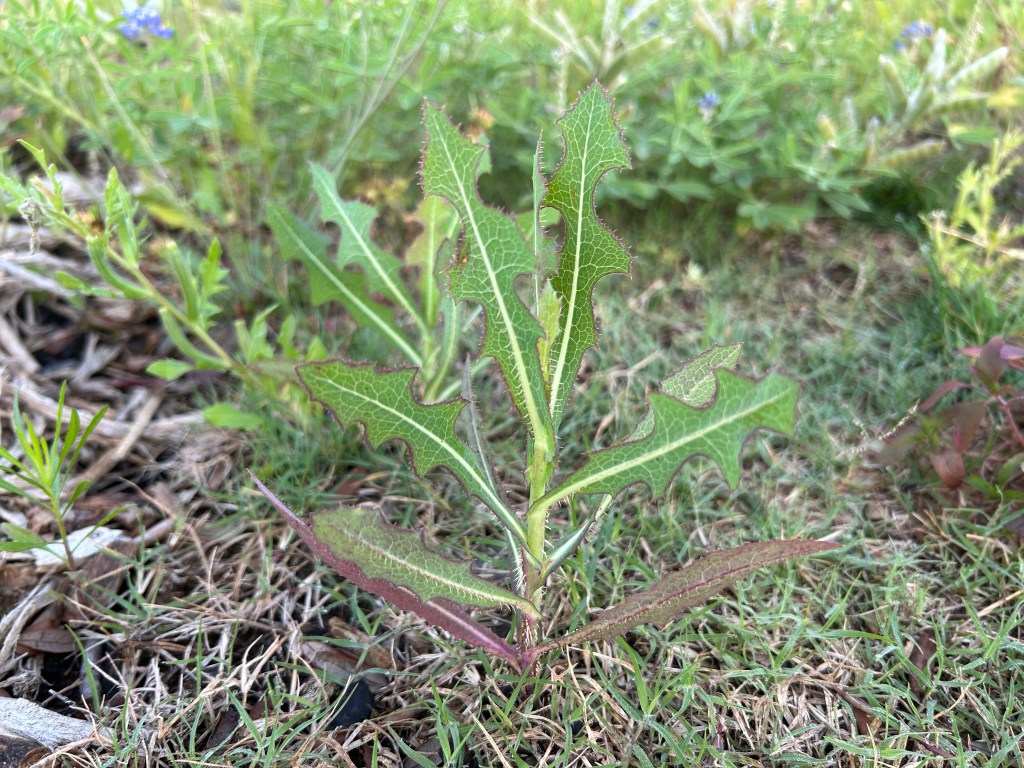
There is a plant that is popping up in a variety of places that has taken me a while to identify. Now that I know that it is a Prickly Lettuce (Lactuca serriola), this is a weed that I will remove as I find it. As the plant grows, the prickles get harder and more… Continue reading
-
“Tall Sock-Destroyer”!
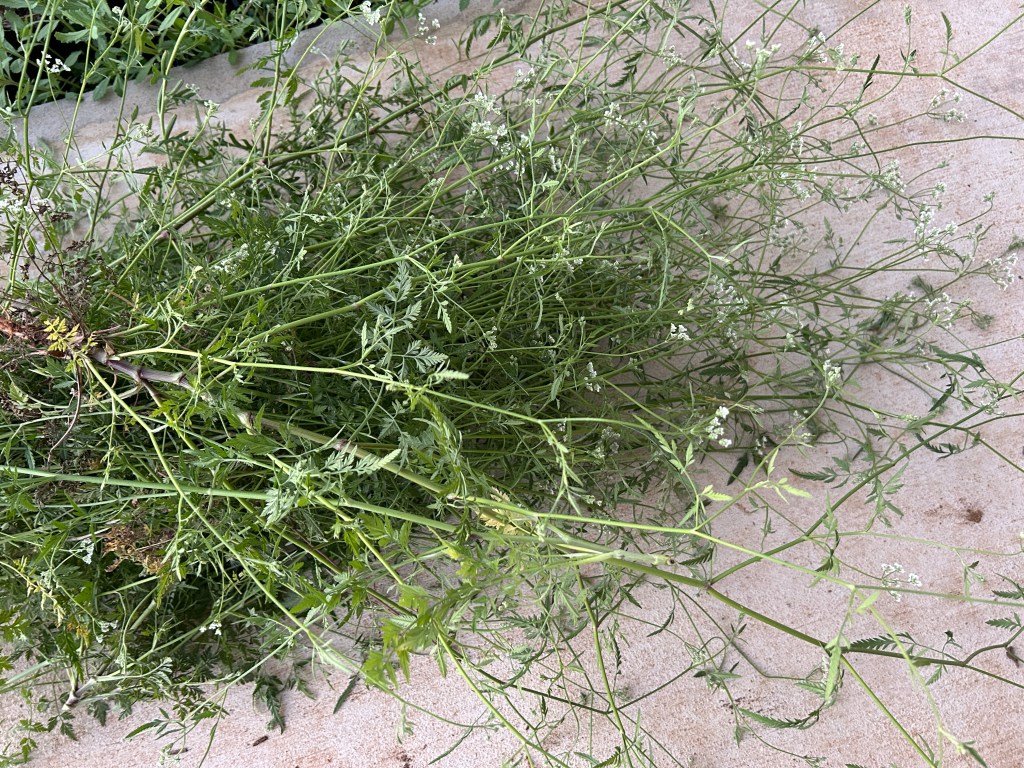
Common Hedge Parsley (Torilis arvensis) is a weed that when it first grows looks like carrot leaves. The tiny white flowers look innocent enough, but the seeds that form later are covered with hooked hairs, hence one of its other names being Tall Sock-Destroyer. Common Hedge Parsley is annual, so if I want to remove… Continue reading
-
Volunteer: Prickly Sowthistle
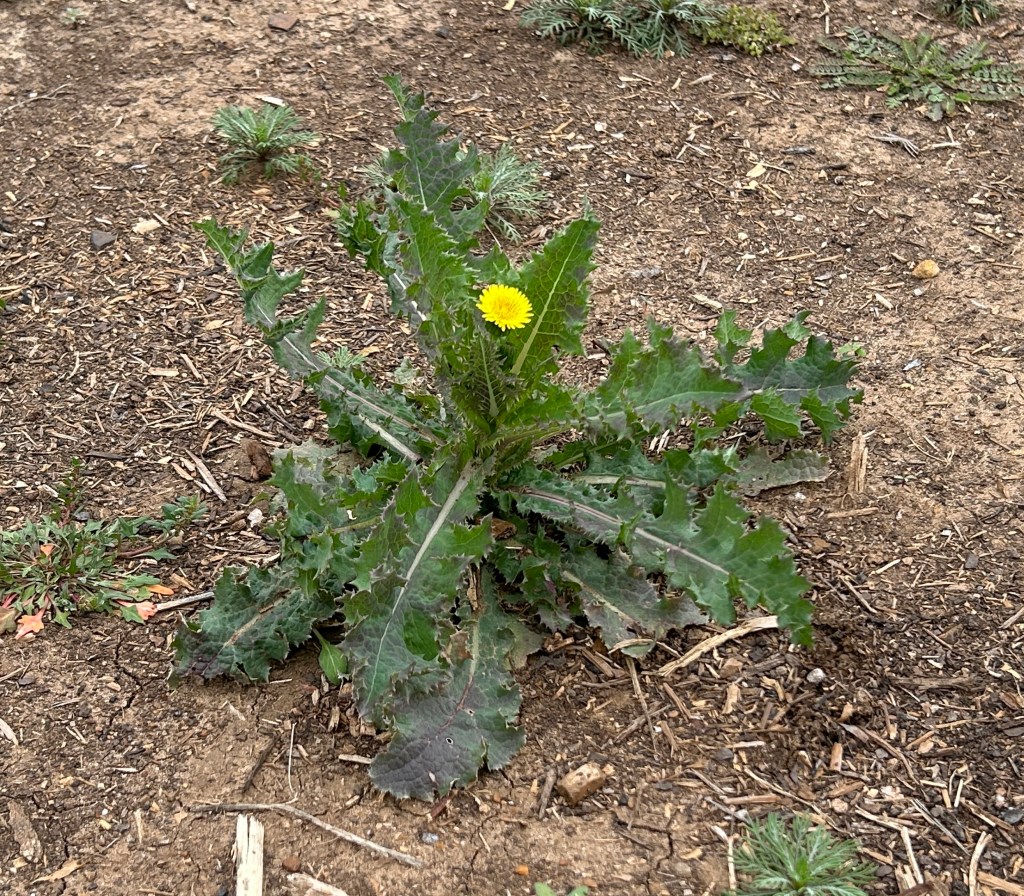
Note: I originally identified this as a Common Sowthistle, but I have been corrected by others in iNaturalist who know more than I. Various kinds of thistle are common volunteers here, and often invasive (meaning non-native and aggressively populating). My approach differs according to where I find them. In the front yard I pull thistles… Continue reading
-
Burclovers
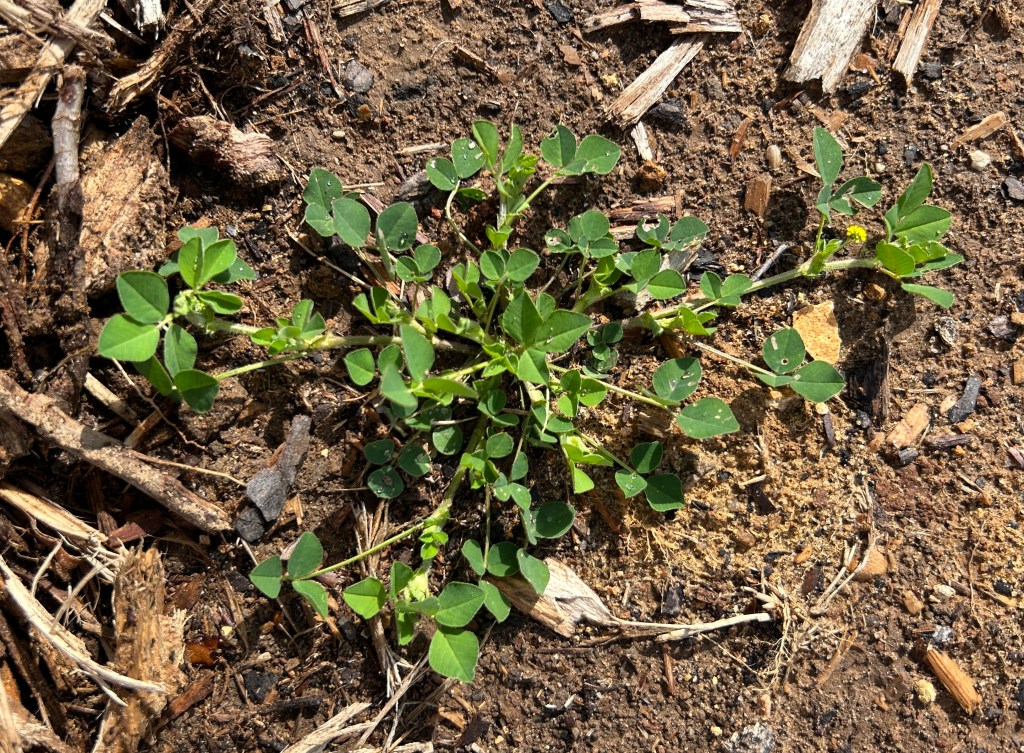
Black Medick (Medicago lupulina) is an invasive weed, although it can improve soil quality because of its nitrogen fixing properties, and most livestock will eat it. Plants of the genus Medicago are otherwise known as burclovers because they are related to other clovers and their seeds are highly barbed. Surely everyone at some point has collected… Continue reading
-
To Pull Or Not To Pull
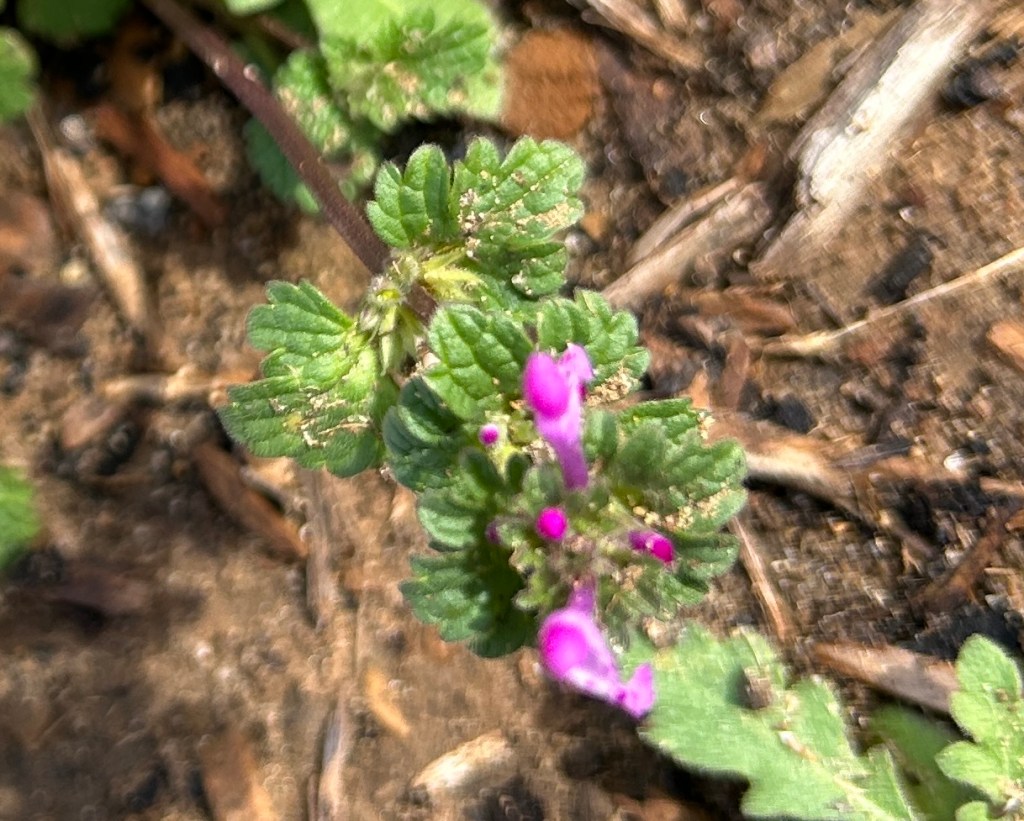
As new plants start to grow here for the spring season, I need to identify them as soon as possible so that I can decide what to do with them. Plants will generally fall into one of three categories: The main thing to determine for a volunteer plant is how invasive or aggressive it is.… Continue reading
-
A Session Of Spurge-Purging

Spotted Spurge is a common weed here, and I made the mistake of leaving it in the ground when this summer’s drought made weeding difficult. I figured I’d just wait until the soil was softer after rain. However, I failed to account for the fact that after only five weeks of growing, each plant may… Continue reading
-
The Scourge Of The Spotted Spurge
I consider Spotted Spurge to be a weed here. It thrives in heat and grows as a mat that crowds out other plants. I had noticed that each plant has a long tap root, and the drier the ground, the harder it is to get that root out intact. Consequently, I did less weeding during… Continue reading
About Me
Nature Lover.
Inquisitive Observer.
Student Gardener.
I invite you to join me on my journey to convert my sterile (from a nature point of view) new house lot to a healthy and diverse ecosystem, as I make discoveries, mistakes, and hopefully progress. I am not an expert or professional. The project started in February 2023 and the location is Seguin, Texas, USA.
 Rewilding My Lot