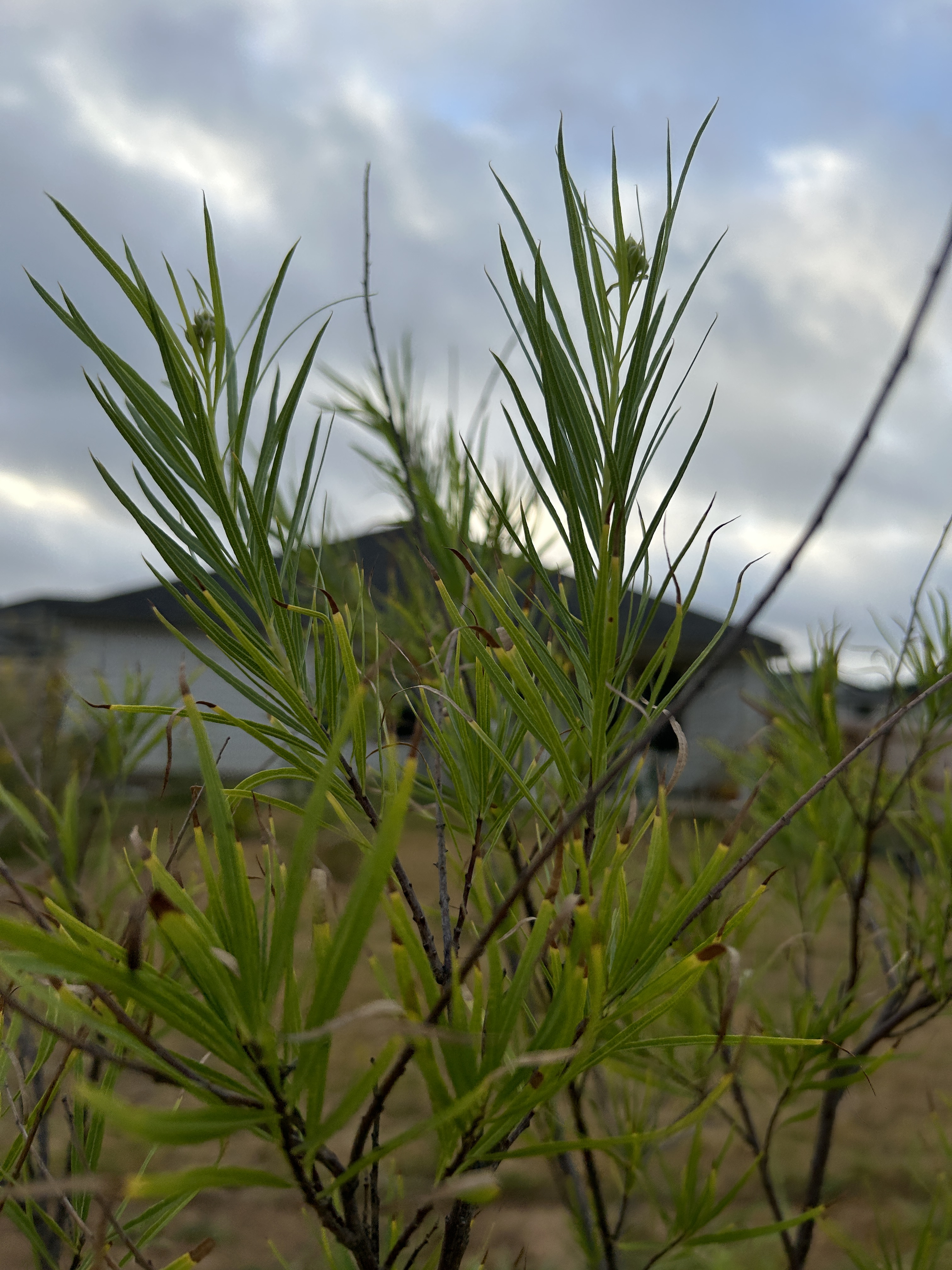
Apparently I have a history of causing flooding rain events to occur just after I have sown seeds. It happened six days after I seeded native grasses in the spring, and this week the day after seeding wildflowers in my front lawn (which was also two days after leveling the front lawn with extra soil and adding five yards of soil to the back area). We had an inch of rain in a day.
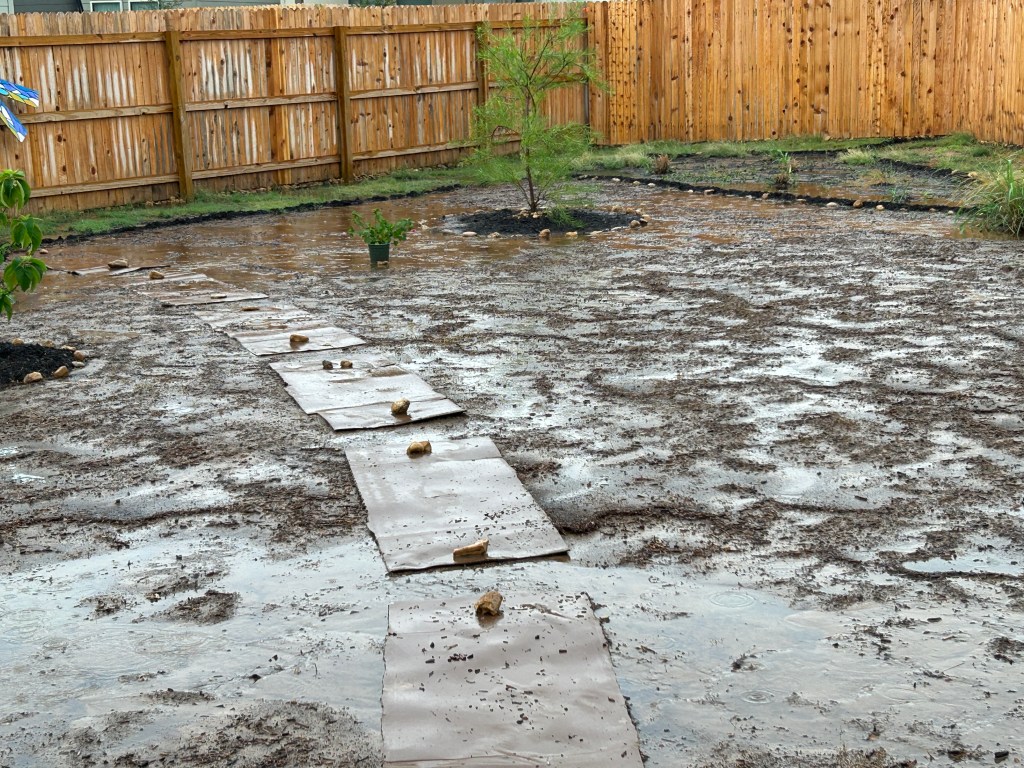
I am less concerned about what the rain did to the back yard. The water probably did move soil around somewhat, but I feel fairly confident that most of it stayed on the property. And I had not yet got around to sowing seeds back there. So although there was standing water for a few hours, I don’t think there was much harm done.
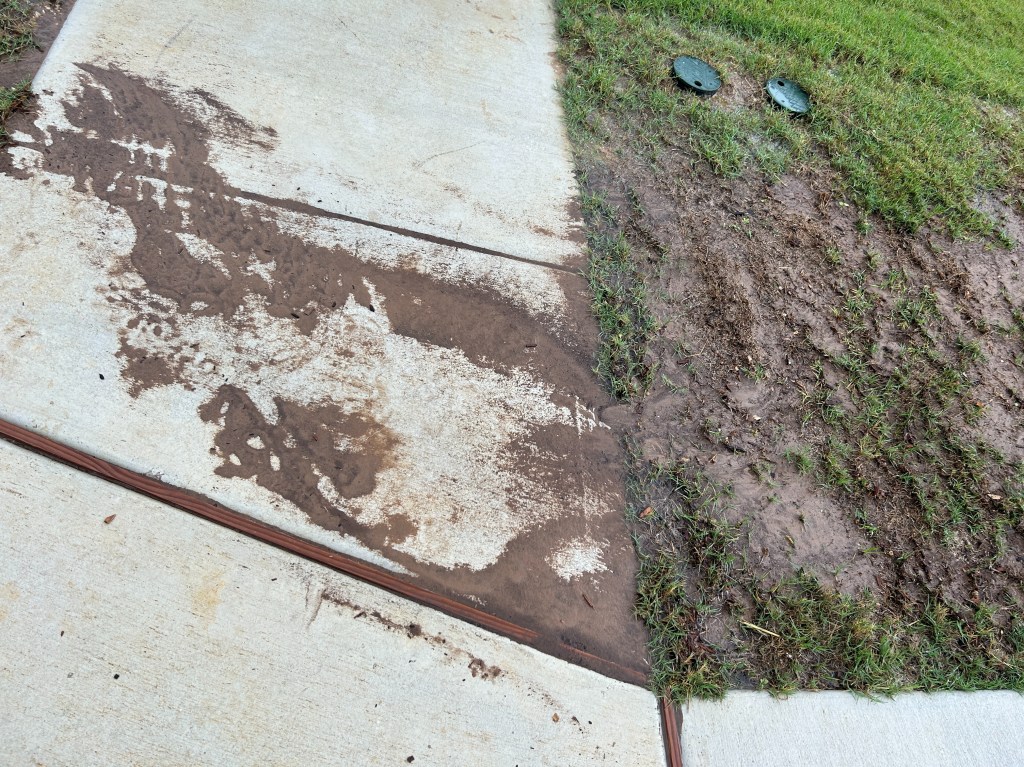
The front yard is a different matter. There’s a fair slope down to the street and I rather suspect that I lost a good bit of fresh soil and perhaps all of the seeds. Both would be disappointing, but especially the presumed seed loss.
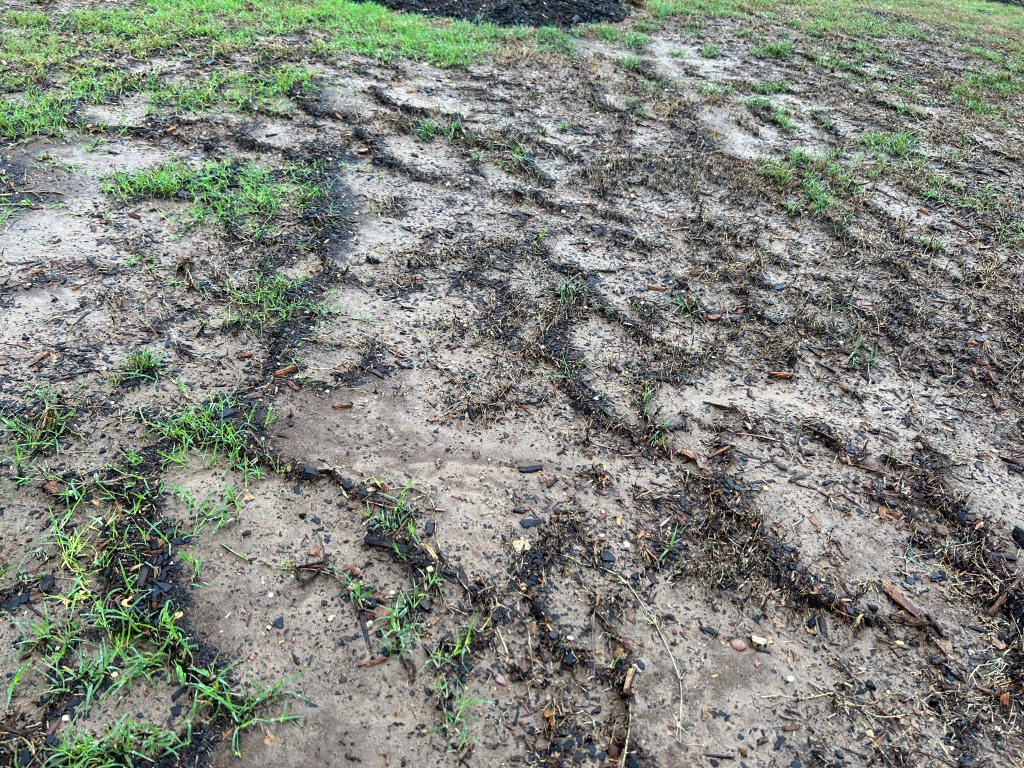
I’m not going to add more soil to the front lawn at this time, but I am going to bite the bullet and reseed the wildflowers. If I’m wrong and seed wasn’t lost in the rain, then all I would be doing is adding more. If seeds were washed away, then somewhere else there may be surprise Bluebonnets next spring.
Seguin has been getting an average of 30 inches rainfall per year (compared to 50 inches in Houston, where I lived for 36 years). In the few months I’ve been here, I’ve experienced extended periods of drought and monsoon-type rainfalls. So my planning strategies have to include optimizing the capture of rain when it falls, minimizing the damage of flooding rains, and being resilient to drought. I hope that by next year I will be in a stronger position to do that, with a diversity of native and adapted plants established in the ground.


 Rewilding My Lot
Leave a reply to Building Pathways – Rewilding My Lot Cancel reply