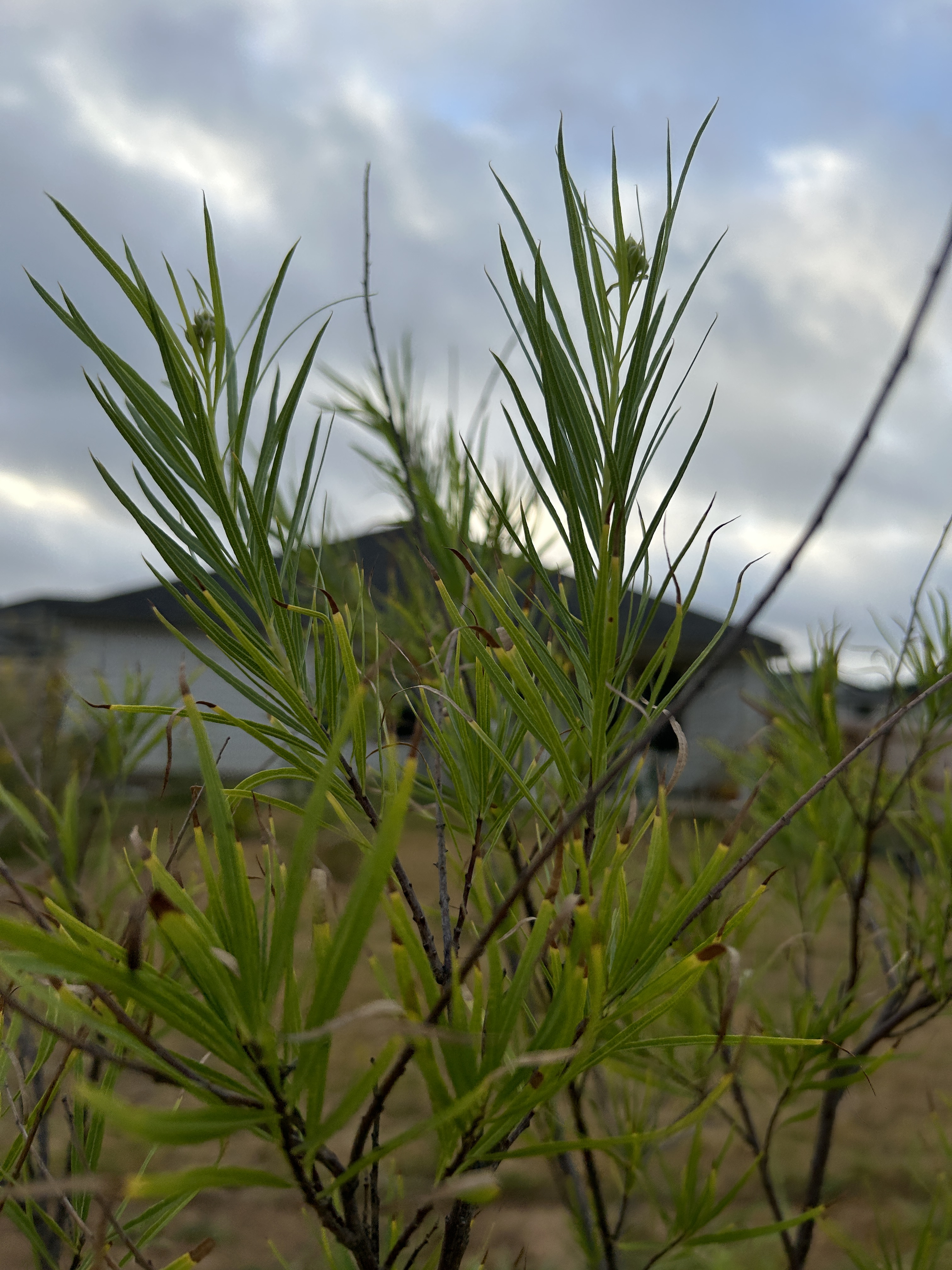
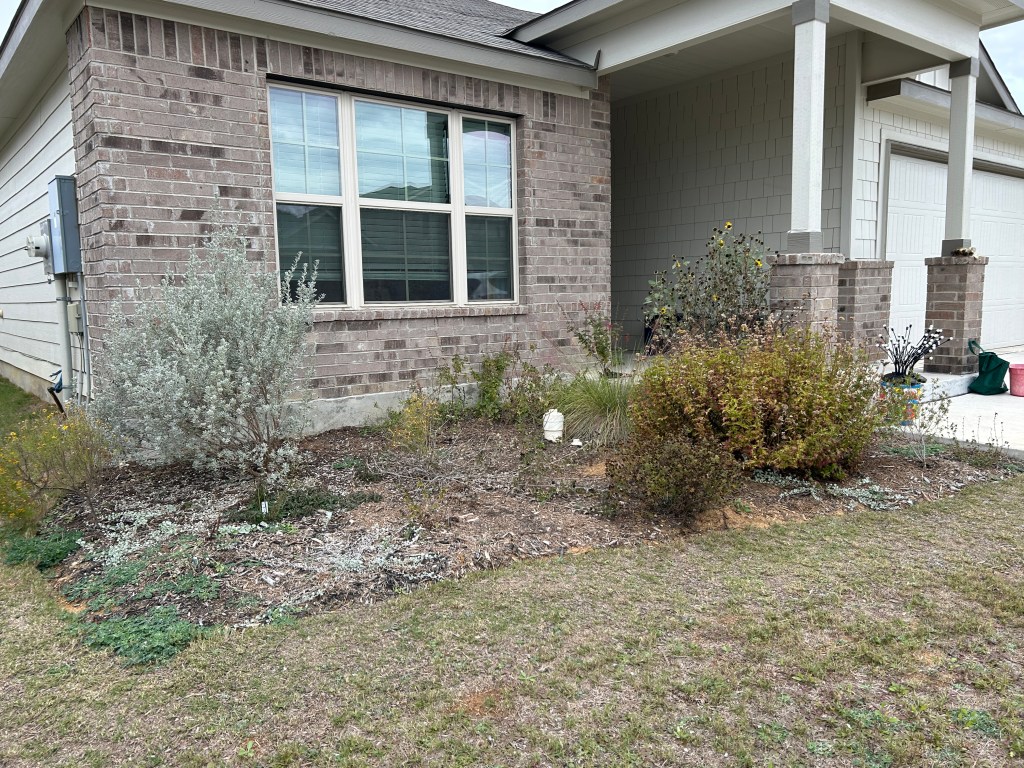
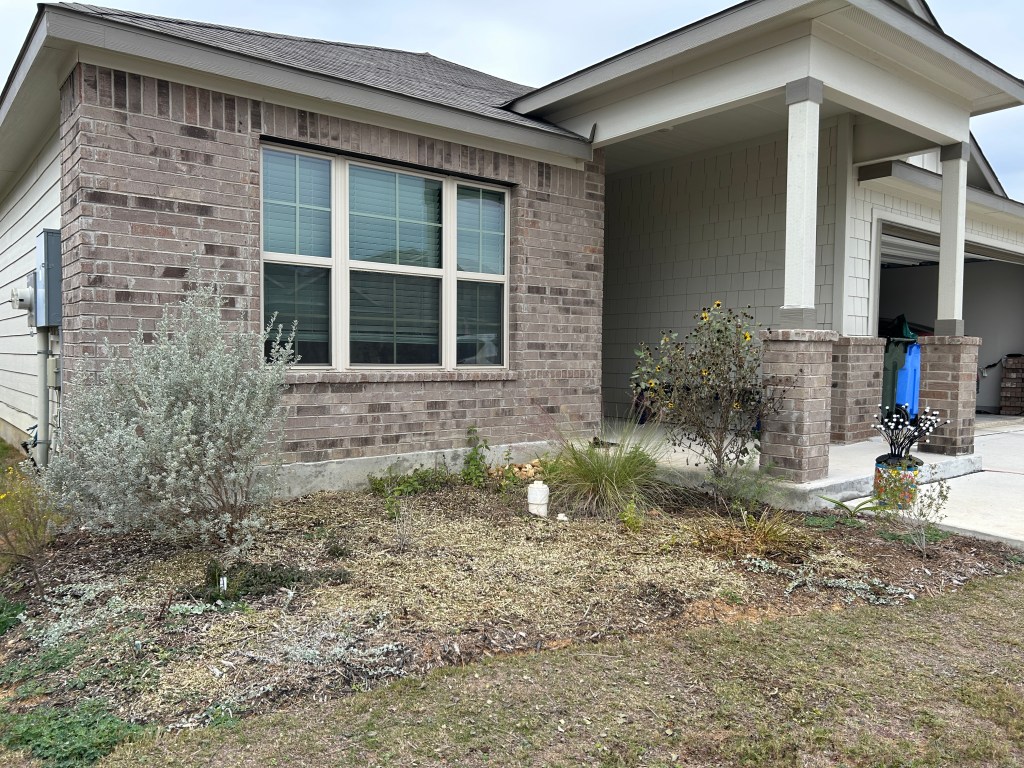
There is a small flower bed in front of the house that mostly has perennial native plants, chosen to attract and feed pollinator insects and birds. The above photo was taken mid-January 2025, when most of the plants were not in their blooming season.
As of January 15, 2025, we had already had two nights when the temperature dipped below freezing, and that “first frost” was my signal to do some cutting back of plants in the pollinator bed. Some of the plants in that area are still too new and small to be cut, but others are already quite well established.
NOTE: A better practice to maintain wildlife habitat would be to leave plants untouched over the winter in case there are are creatures that are sheltering among the stems and dry leaves. However, I choose to do a little more management of this front bed to keep it neat for the neighborhood. In contrast, the back yard has more dead plant material that I am leaving as habitat for now.
Here’s what I did. Photos are shown oldest first.
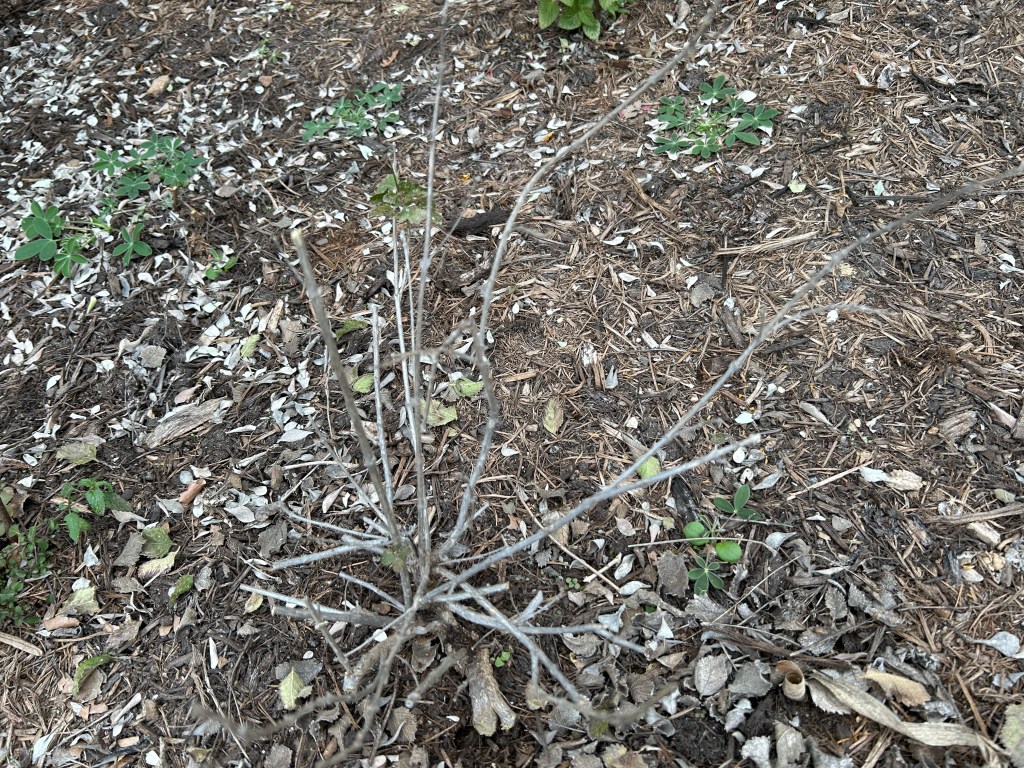
Gregg’s Mistflower (Conoclinium greggii) is a major butterfly magnet, but if left unchecked it would spread too much. I cut all the stems down to a few inches from the ground, and also reduced the overall area a little. I moved a few excess pieces that had roots into pots in case they grow well enough to be given to others. I also hacked down an old ant pile that had been lurking inside the plant area. So in the end, this plant took quite a beating, but I am confident that it will grow back strongly.
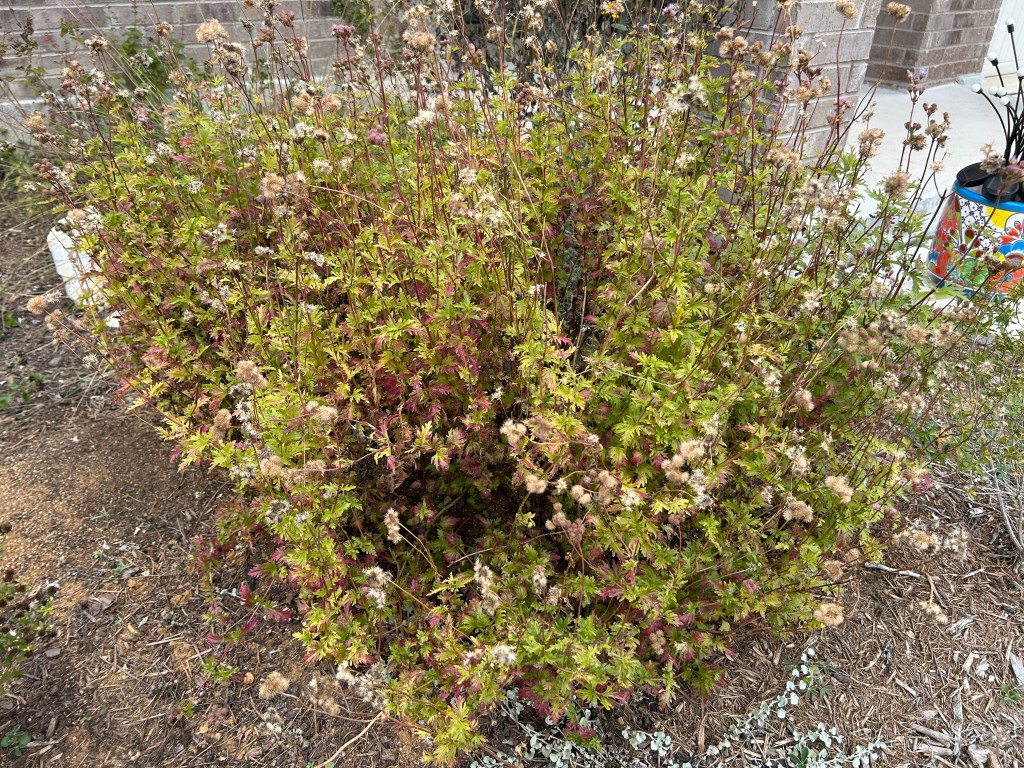
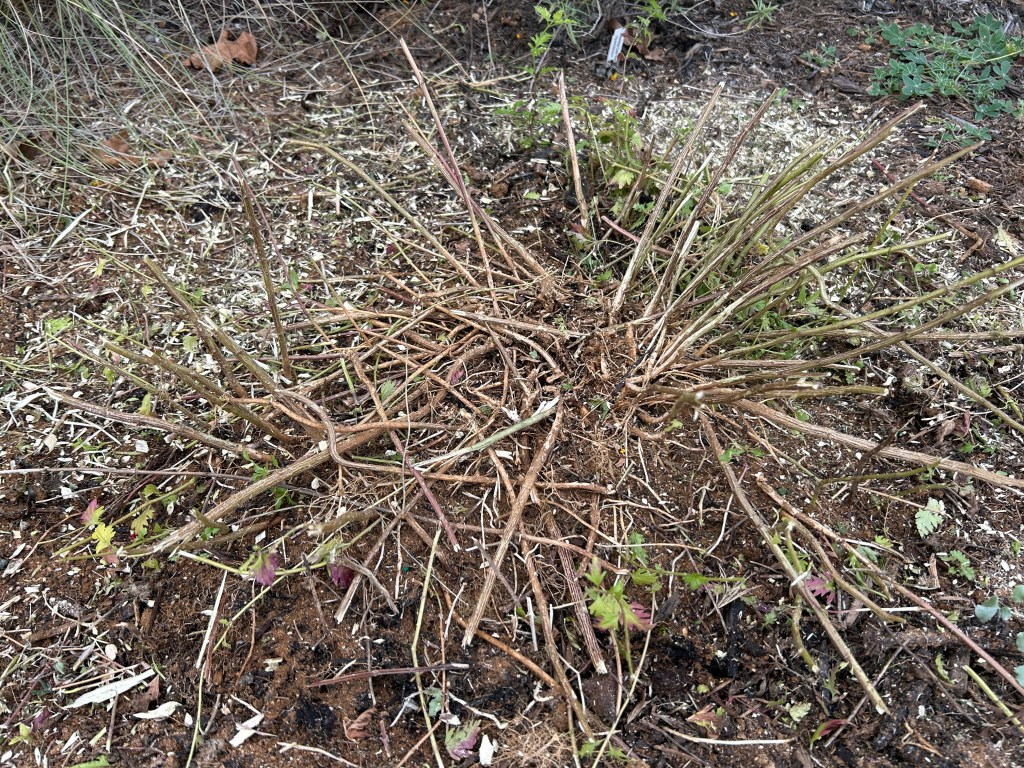
Fall Aster (Symphyotrichum oblongifolium) has grown well, but it isn’t spreading too much yet. I cut the stems down to give new growth at the bottom a chance to emerge. This is a great example of how plants can show you that they’re ready to be cut back to give new growth a chance.
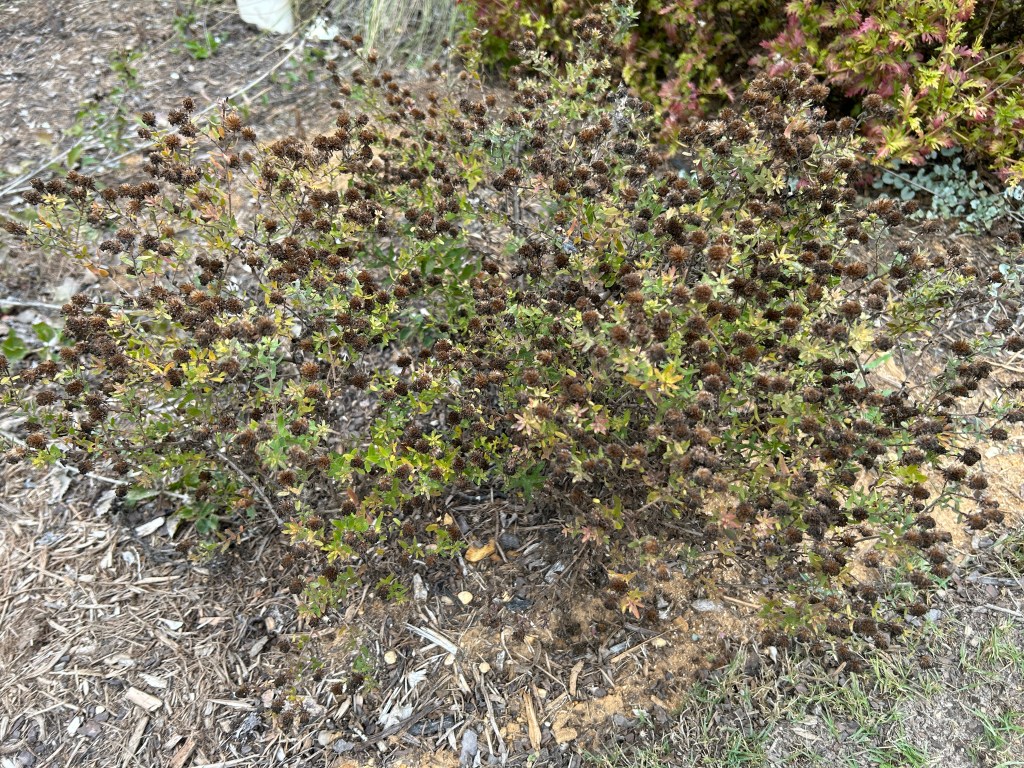
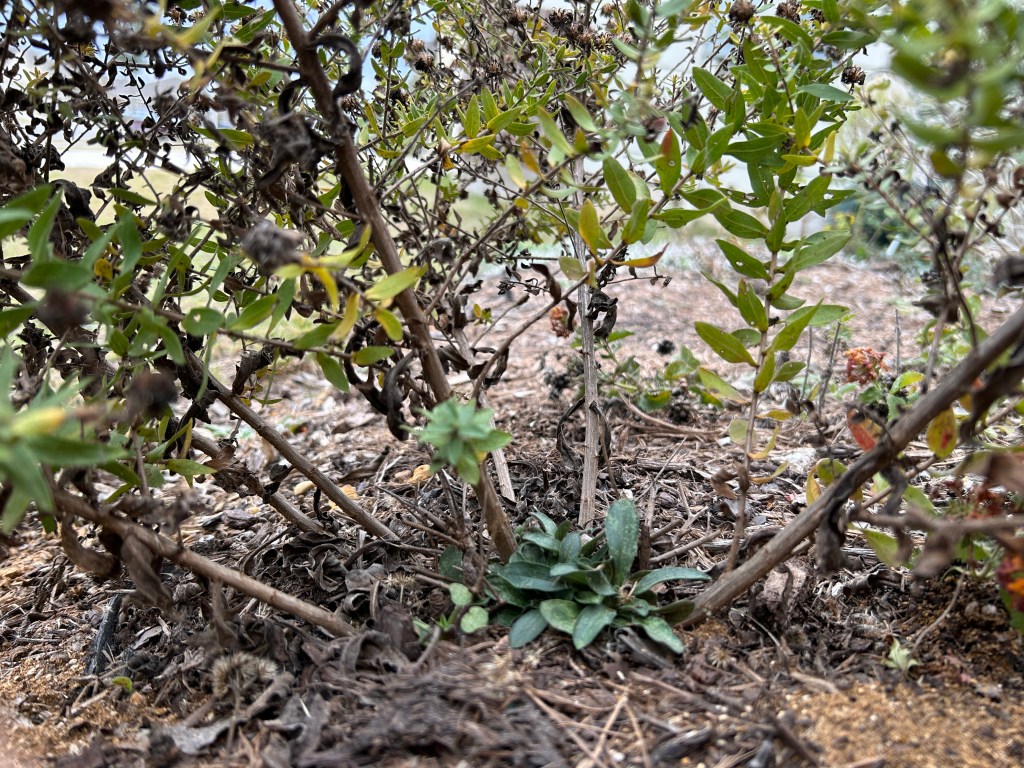
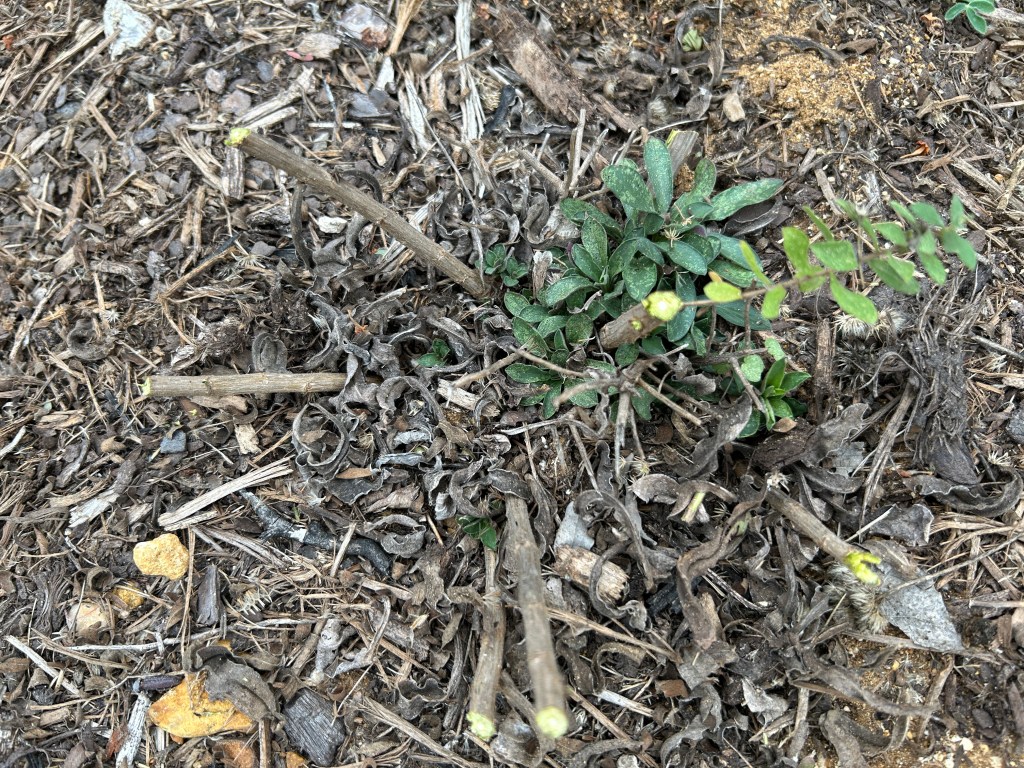
Texas Lantana (Lantana urticoides) is taking up too much horizontal space. I’ve cut this plant quite severely in the hopes that it will assume a taller shape.
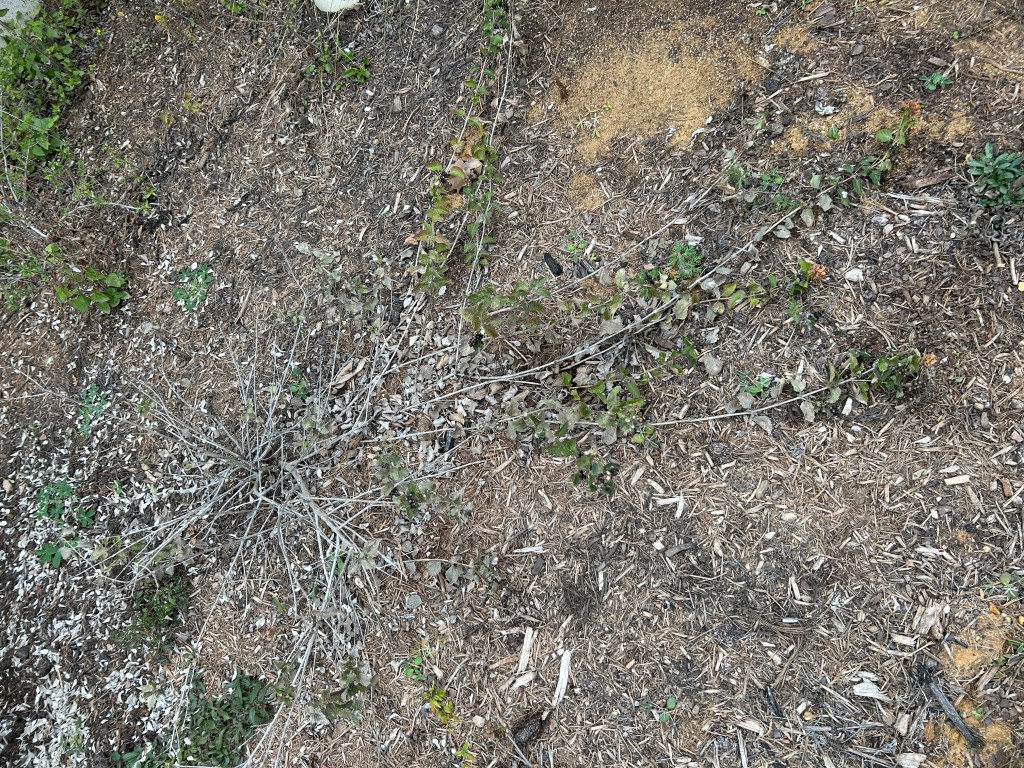
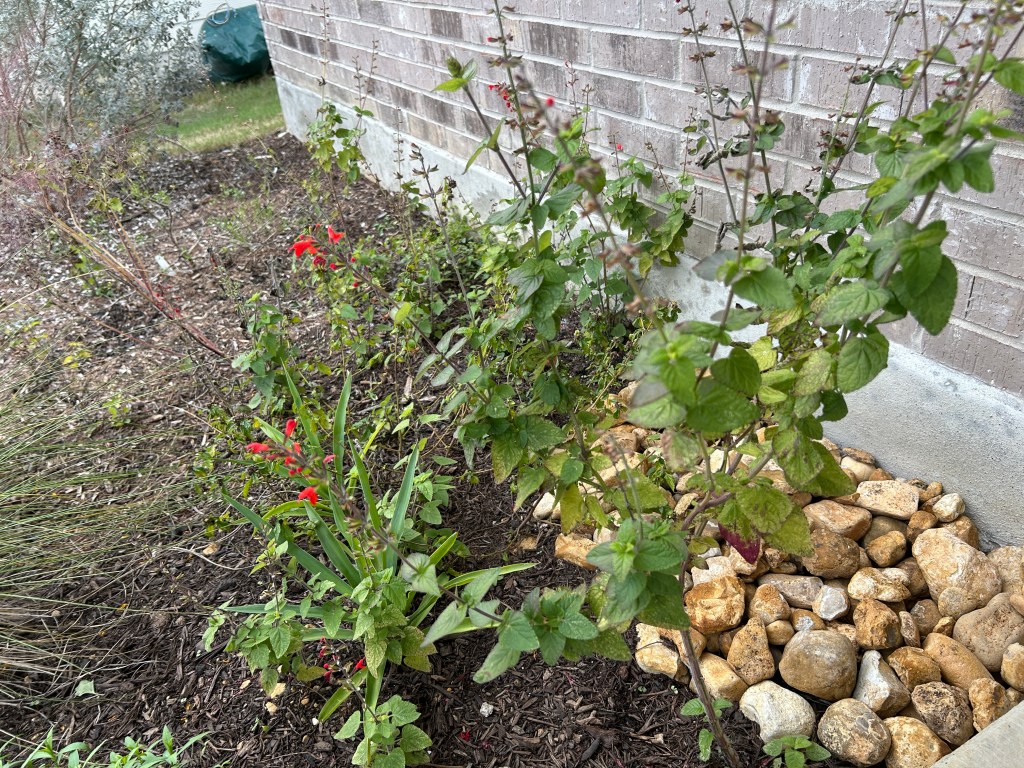
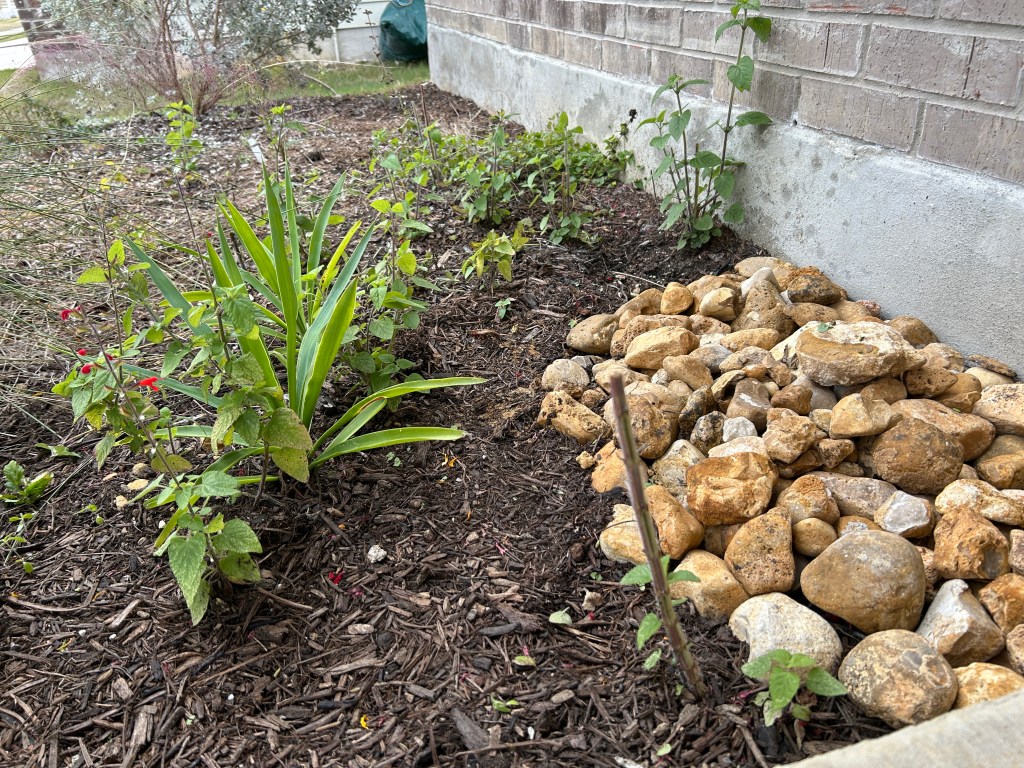
I have several different Salvia plants — Gregg Salvia (Salvia greggii) in red, and Tropical Sage (Salvia coccinea) in red and pink, with multiple copies of the Tropical Sage. These plants do well with being cut back two or three times a year, so I cut down most of these to about a third of their original height.
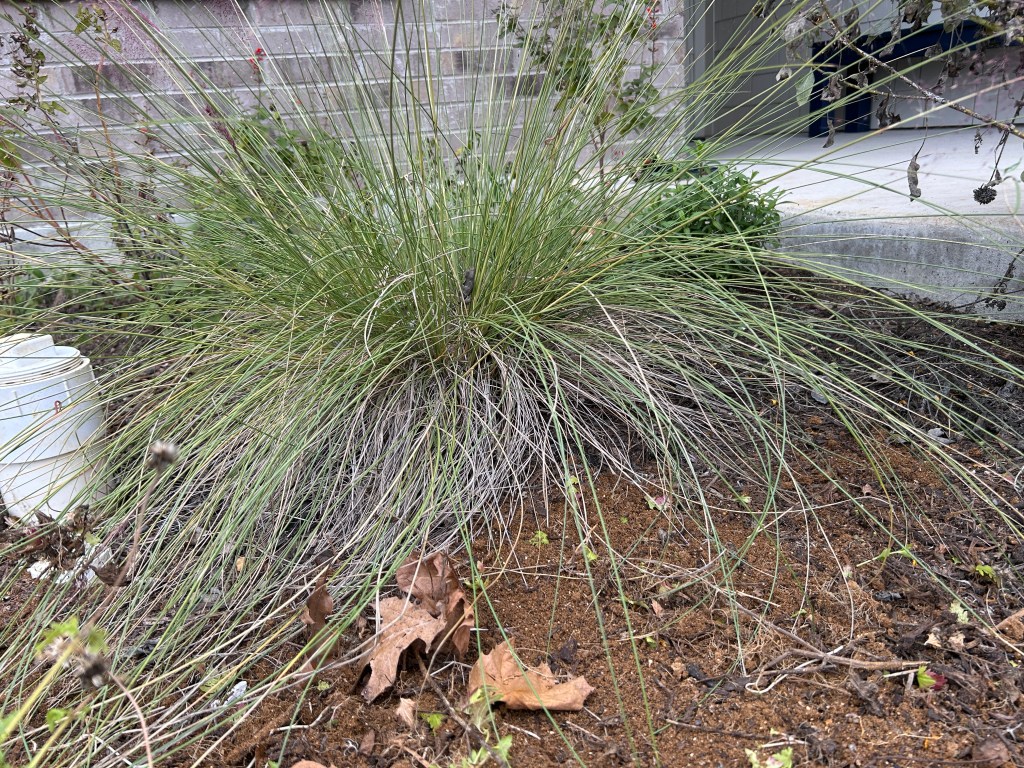
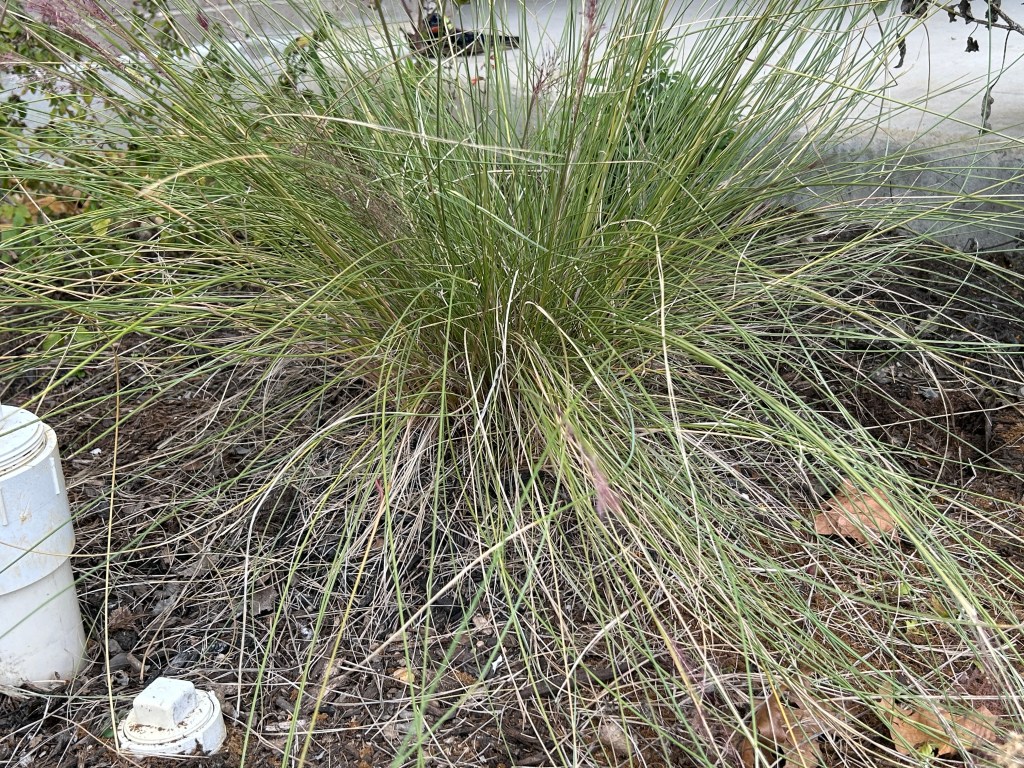
Gulf Muhly (Muhlenbergia capillaris) is a clump grass that needed at least a year to establish, but it’s now growing and blooming happily. All I did with this plant was to use my fingers to comb out some of the dead leaves at the bottom.
There are a few volunteer plants in the front bed that I kept because they were native and not in the way. The ones that are still blooming, I will allow to stay for the moment. These are one Beach Sunflower (Helianthus debilis) and a couple of Yellow Sneezeweeds (Helenium amarum). The other volunteers I have cut down to the ground.
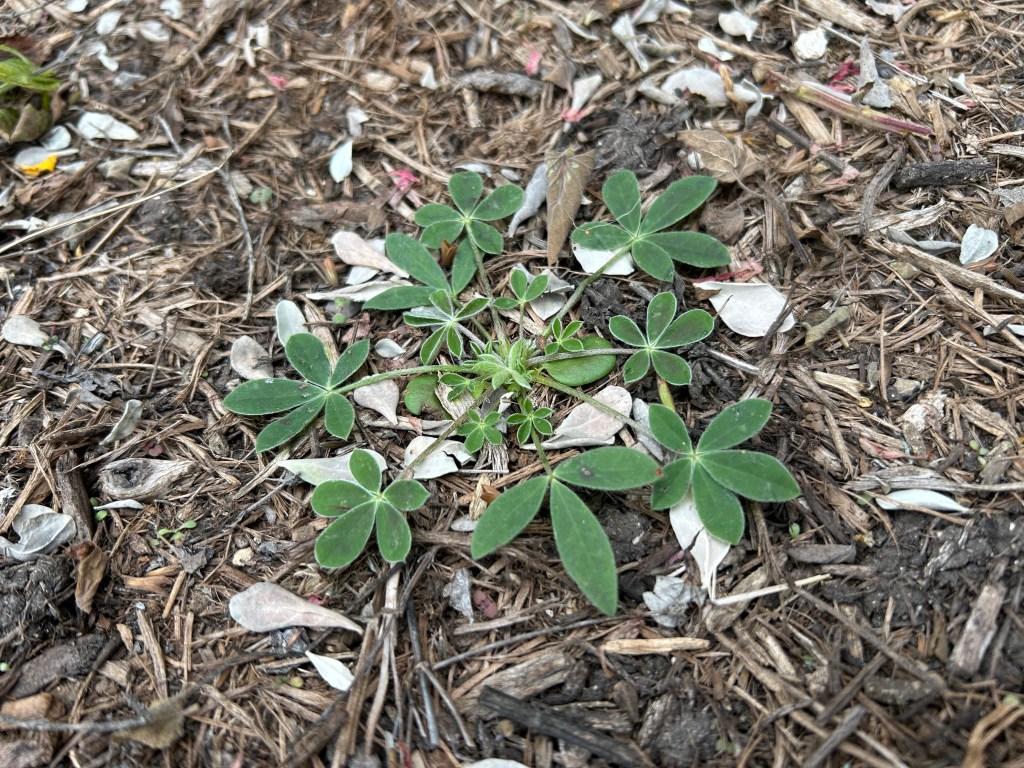
The other plants in this little pollinator garden don’t need any pruning this winter. And I can already see that there will be several Bluebonnets joining them in a few weeks. These have grown from seeds that were flung from plants in the nearby wildflower meadow last year.
The stems that were cut down were shredded and scattered back onto the ground in the bed, to recycle their organic matter. Here’s a photo taken at the end of the whole process.


Leave a Reply