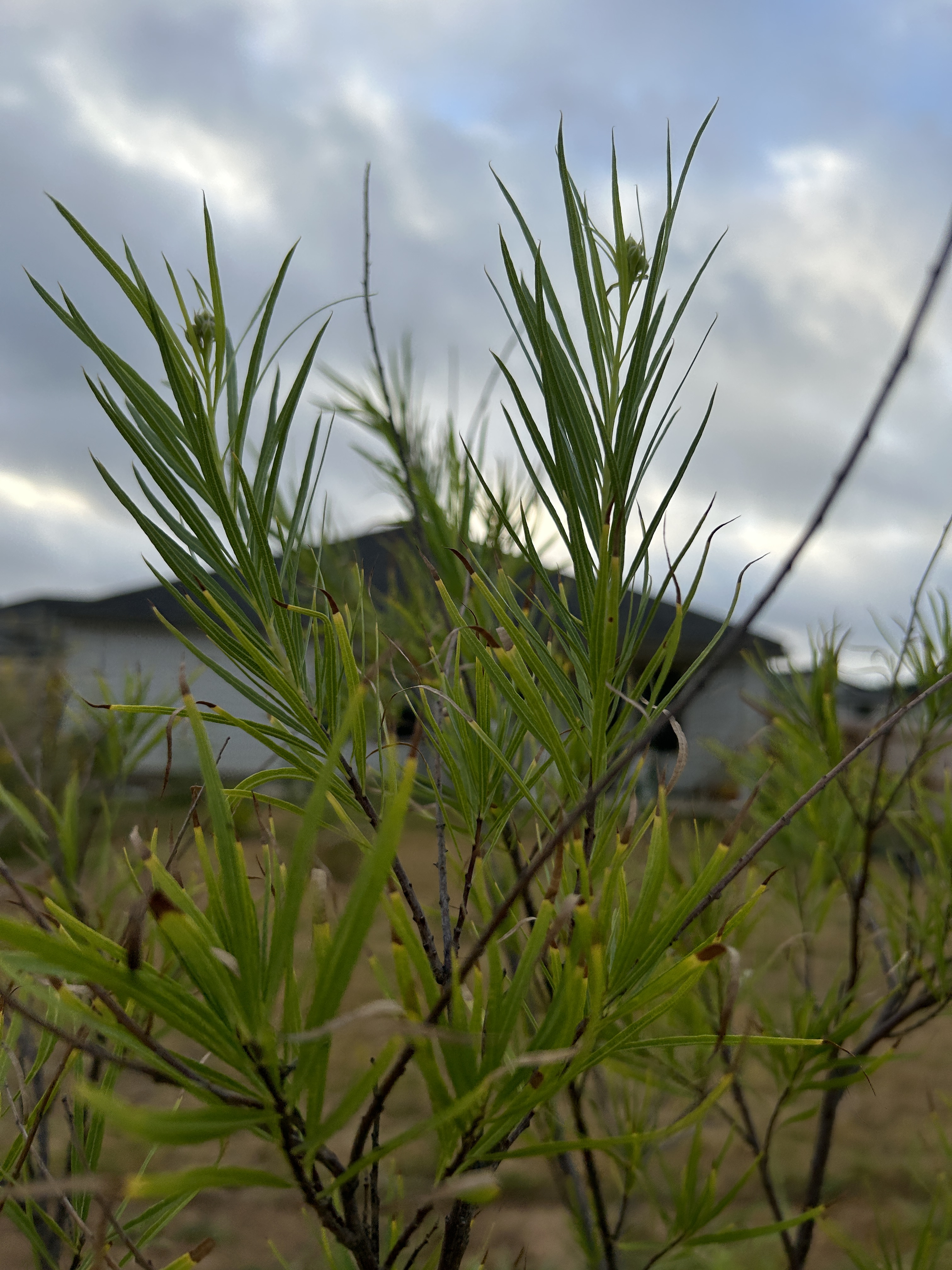
Fasciation is a relatively rare condition of abnormal growth in vascular plants. I see enough plants in my garden and volunteer activities that this is something I notice once or twice a year. When this occurs, plant parts grow abnormally to become elongated or fused together. Potential causes include random genetic mutations, infections, or environmental effects. Usually only one part of a plant is affected (although see an exception below!) and it isn’t anything to worry about.
The first time I noticed this phenomenon was a couple of years ago when I found a conjoined sunflower head.
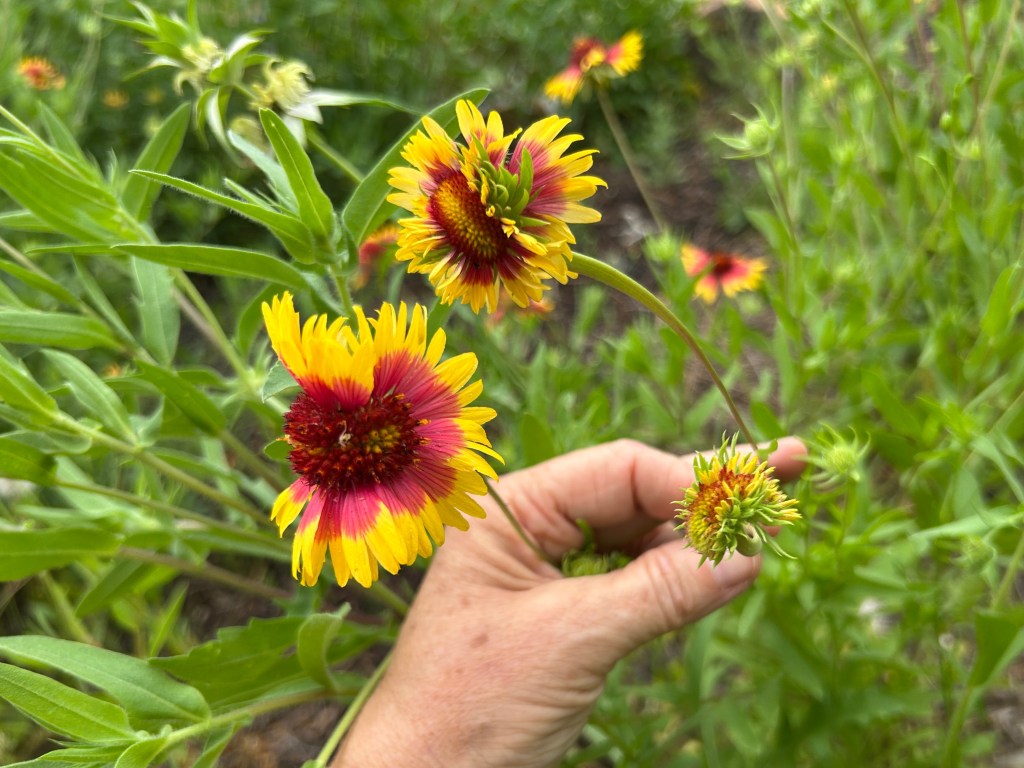
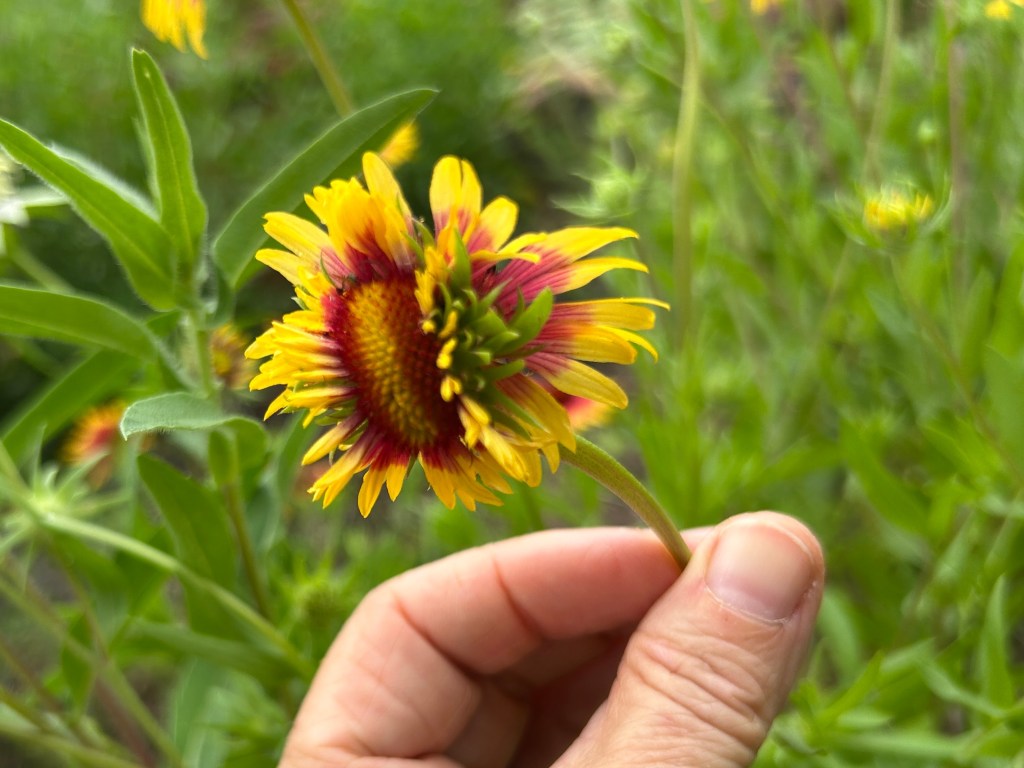
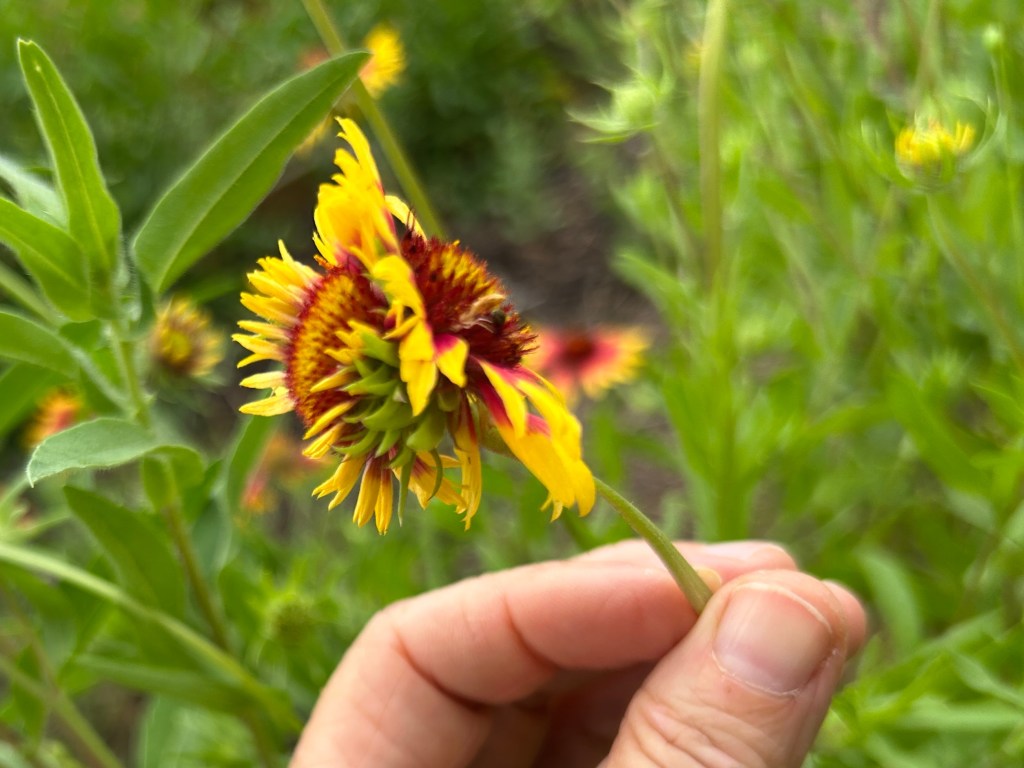
The most recent example that I have found is in a Firewheel aka Indian Blanket (Gaillardia pulchella). Unusually, in this case the whole plant is involved in that all three flowers that have opened so far are distorted, as are the stems. One explanation might be a genetic mutation at the seed level to explain the whole organism being involved.
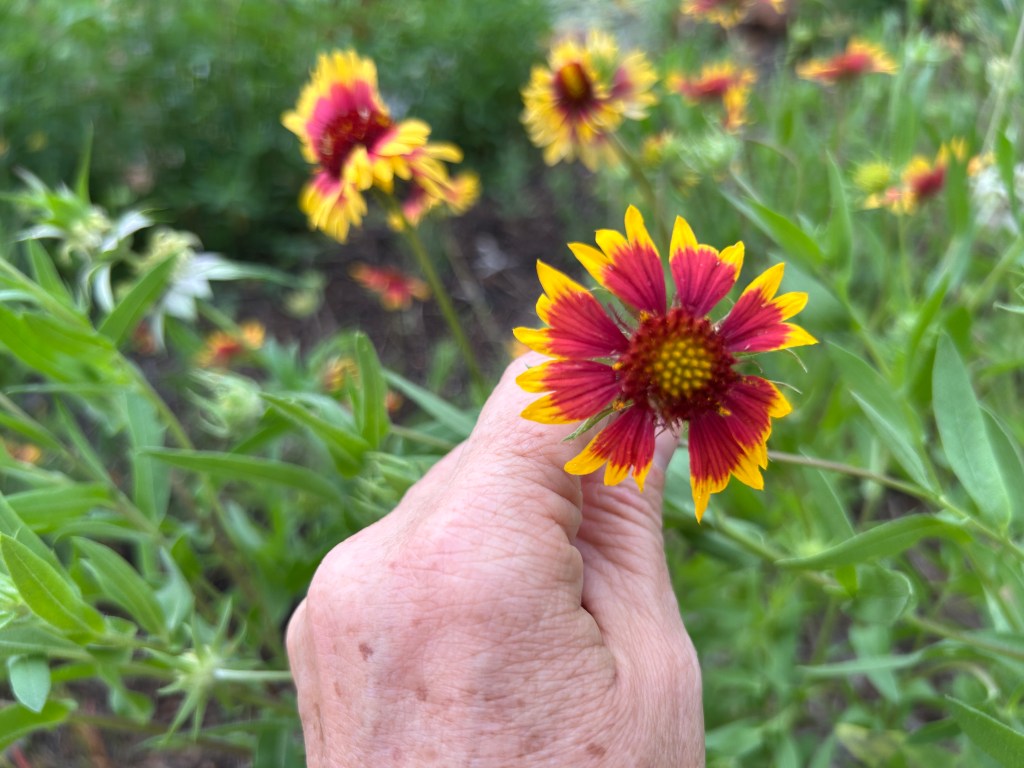
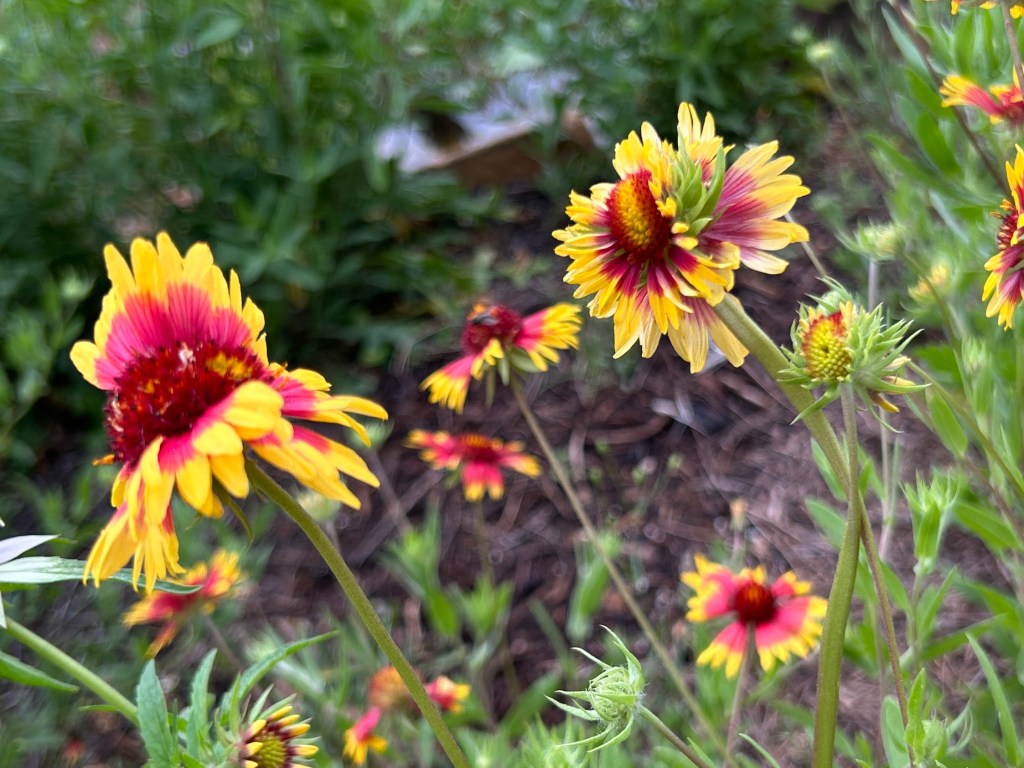
Here’s what a nearby (normal) Firewheel bloom looks like.
A normal Firewheel stem is round, but this one is wide and flat, like a ribbon.
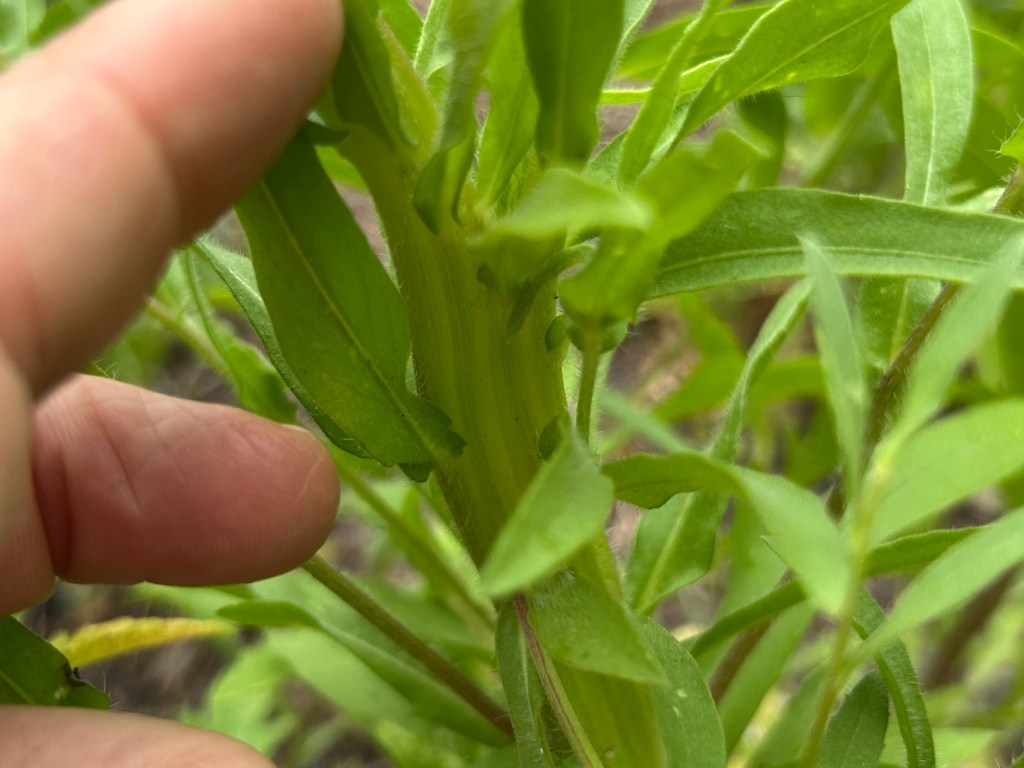
This bloom with fasciation also grows from a stem that is flattened.
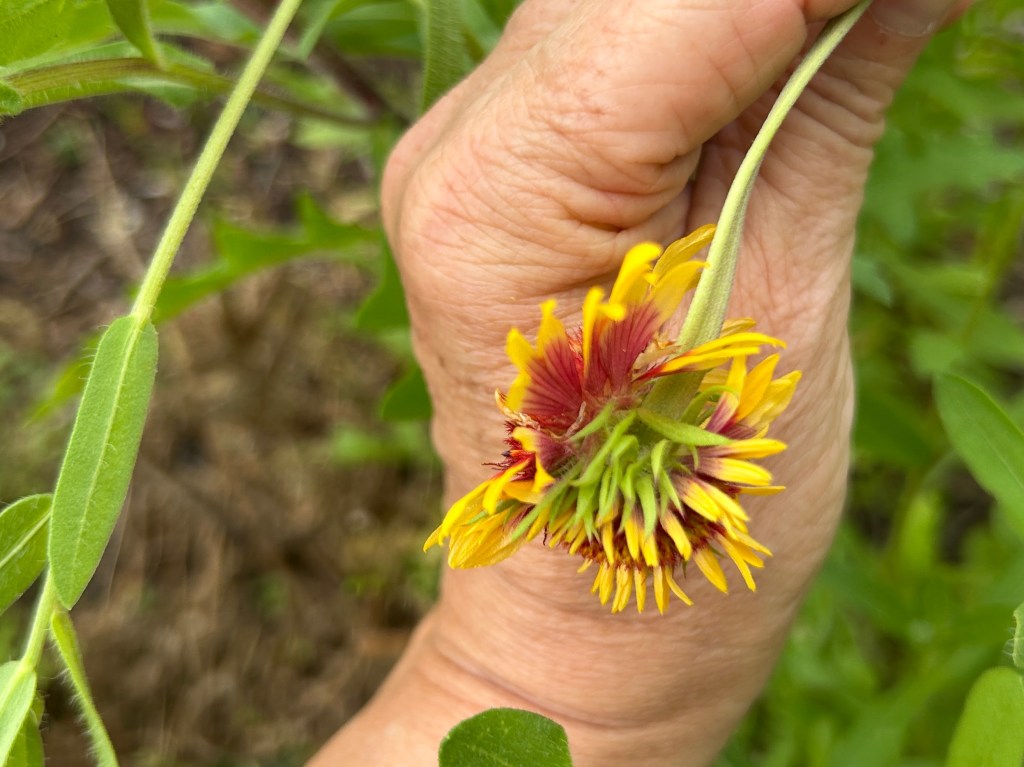
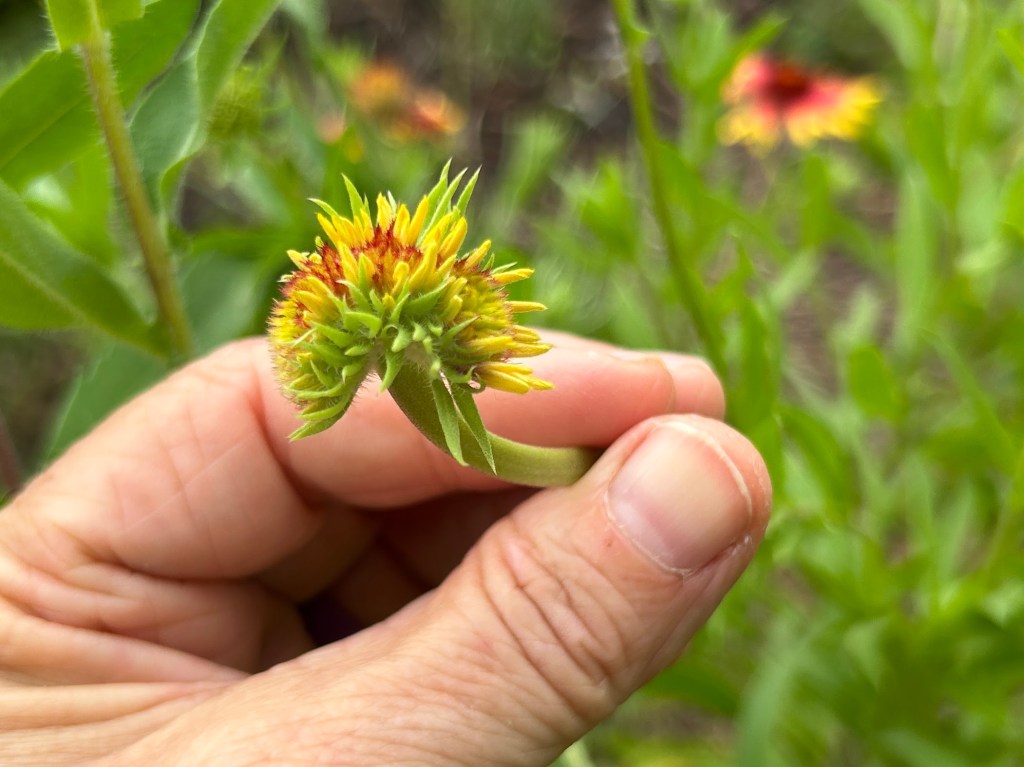
And here are some more photos of the “mutant” blooms. There are other unopened buds on the same plant — my prediction is that they will all show some deformation as well (because I think there is a systemic mutation affecting the entire plant).
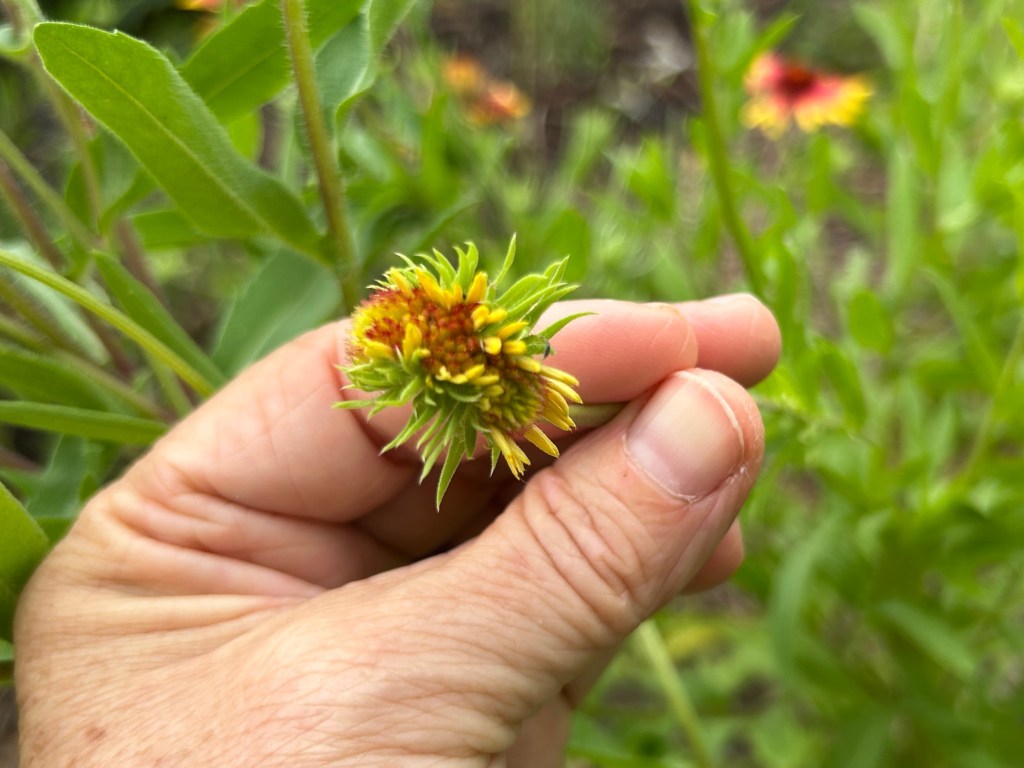
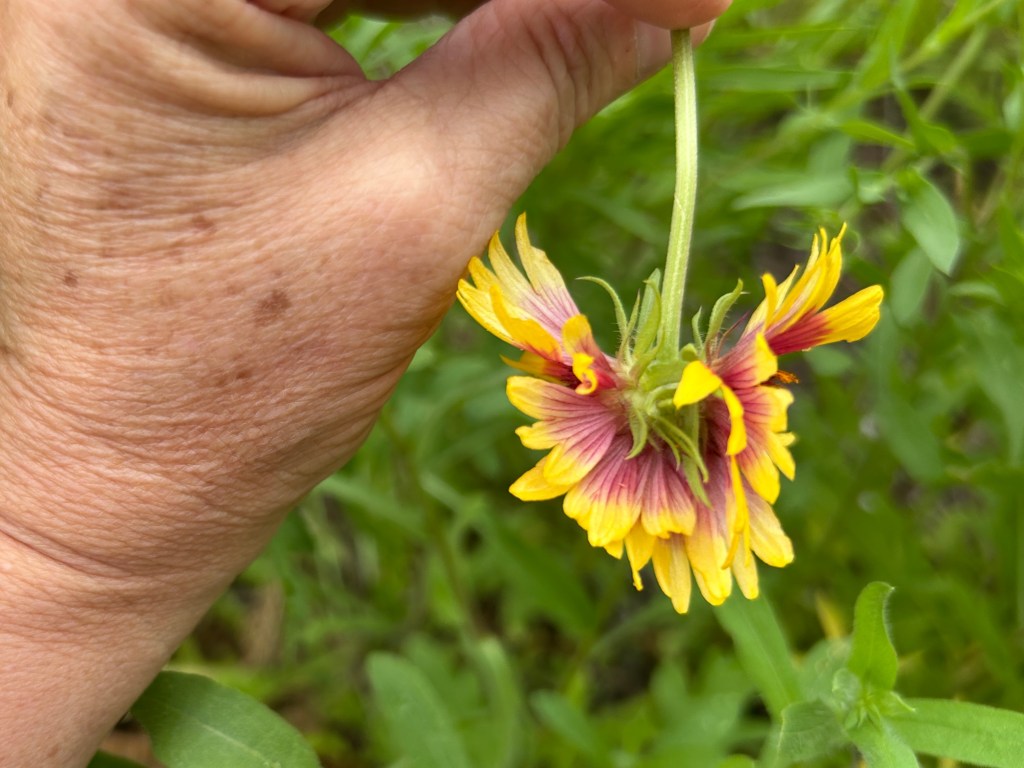
And here’s a photo that includes all three mutated blooms.


Leave a comment