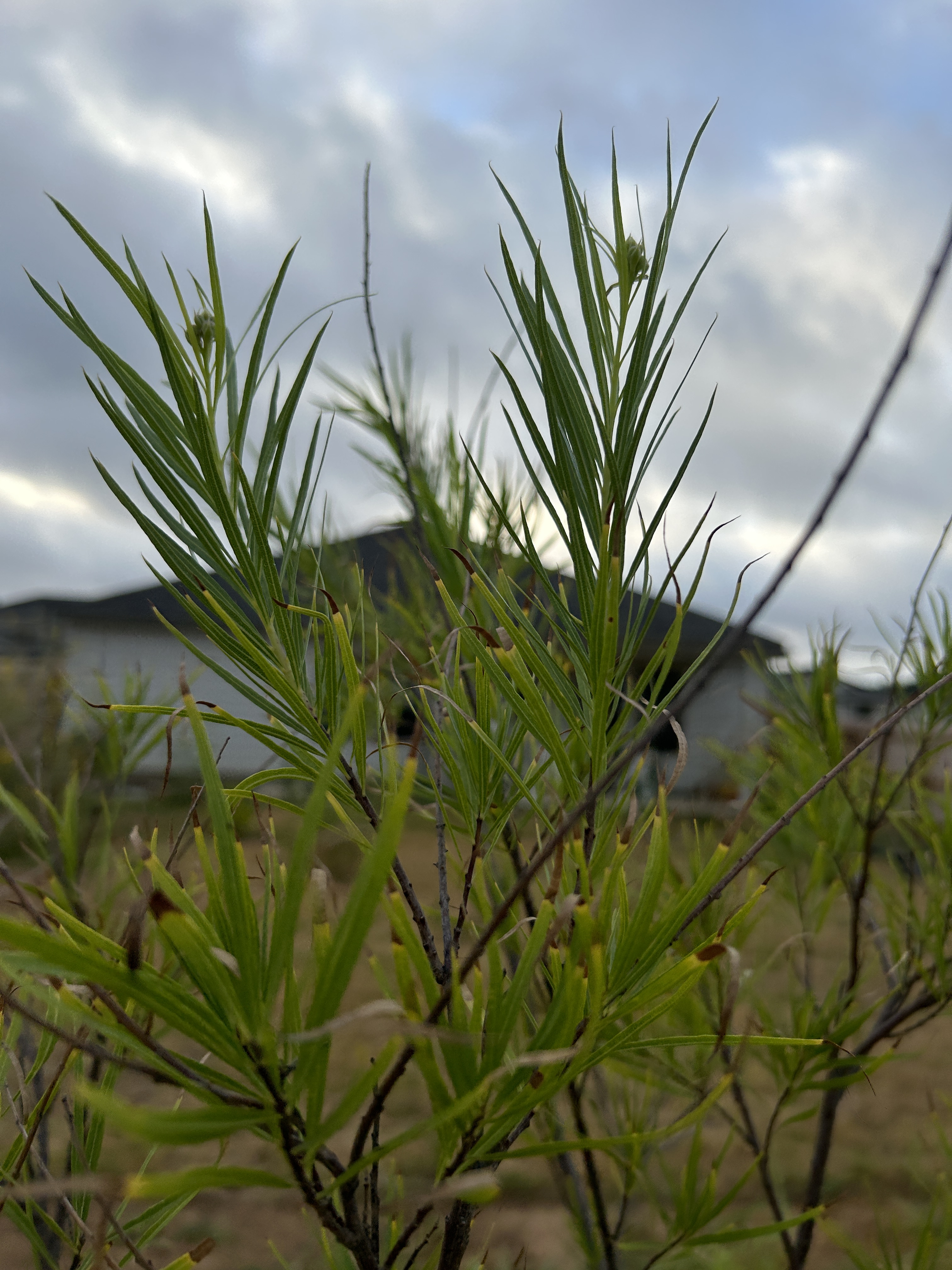
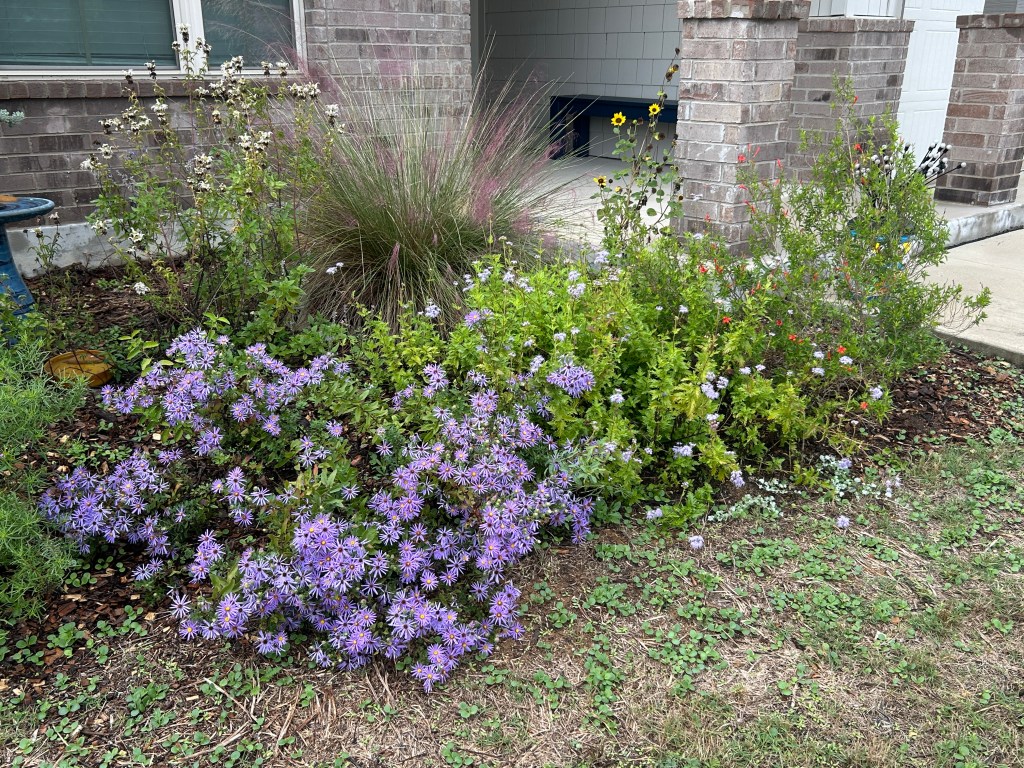
The blooming season in Central Texas is long, which is a good thing because we still have a lot of resident and migrating creatures here that are looking for nectar and pollen as food.
One of my goals is to provide food sources in the garden for as much of the year as possible. Annual plants tend to bloom in the spring to provide nectar and pollen early in the year. But at the end of the year, it is perennial plants that are the late bloomers. This is a good reason to have a diversity of native plants in a garden, to provide a long-lasting buffet for the visiting foragers.
As a sample of what is currently blooming in the garden in fall, all the following photos were taken on November 11, 2026.
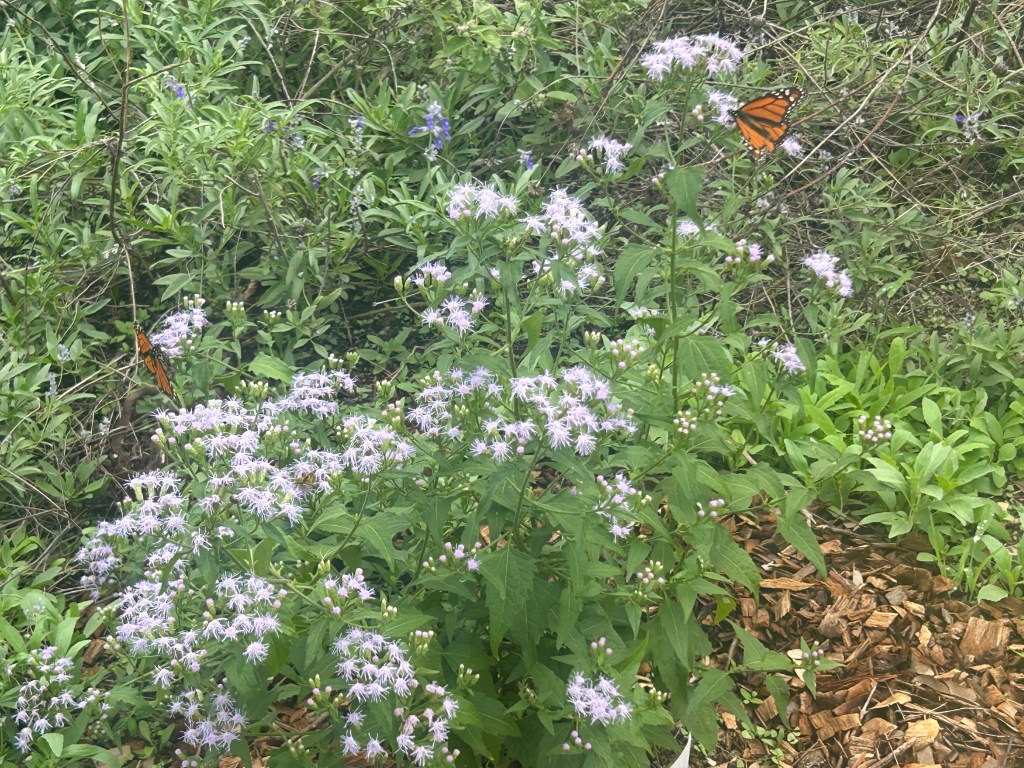
Fragrant Mistflower aka Crucita (Chromolaena odorata). As I approached this shrub, feeding from the blooms were a large bee, a small butterfly, and three Monarch butterflies. Two of the Monarchs are in the photo below.
Beach Sunflower (Helianthus debilis). This came to the garden as a volunteer in my first year here (2023).
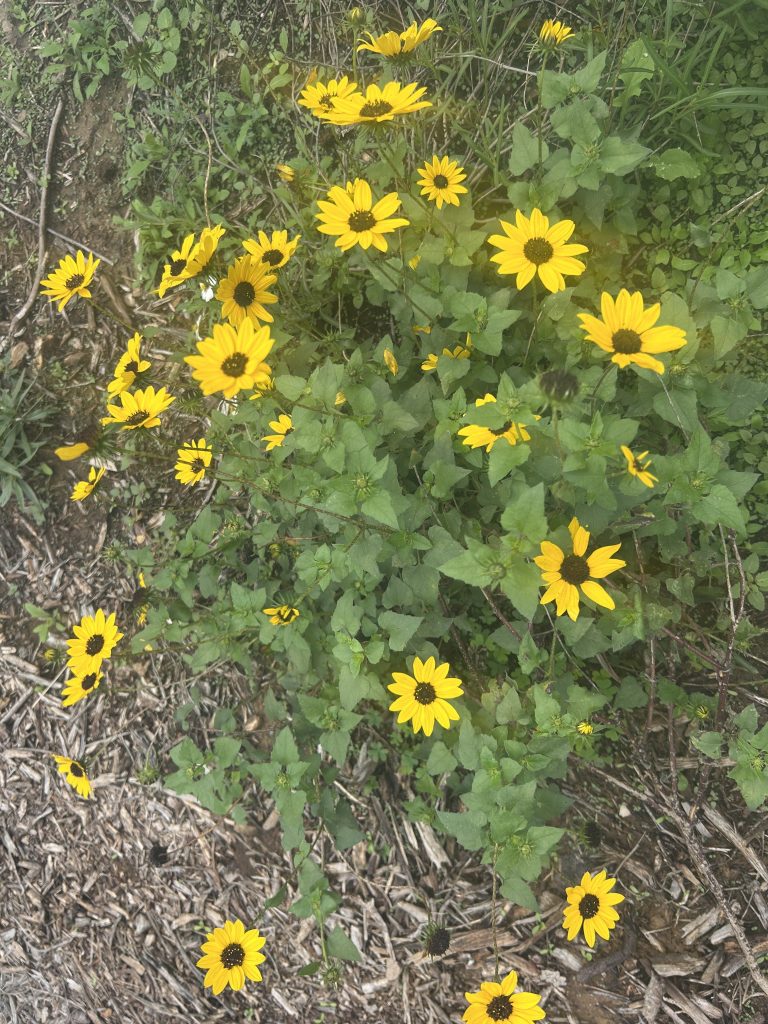
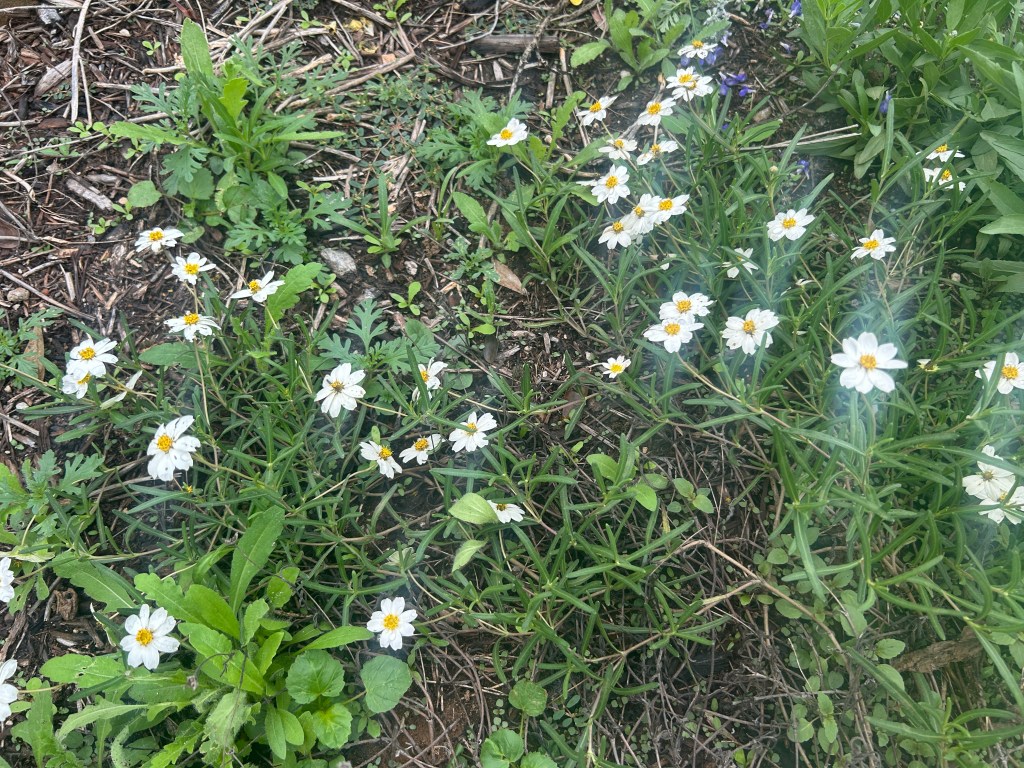
Blackfoot Daisy (Melampodium leucanthum)
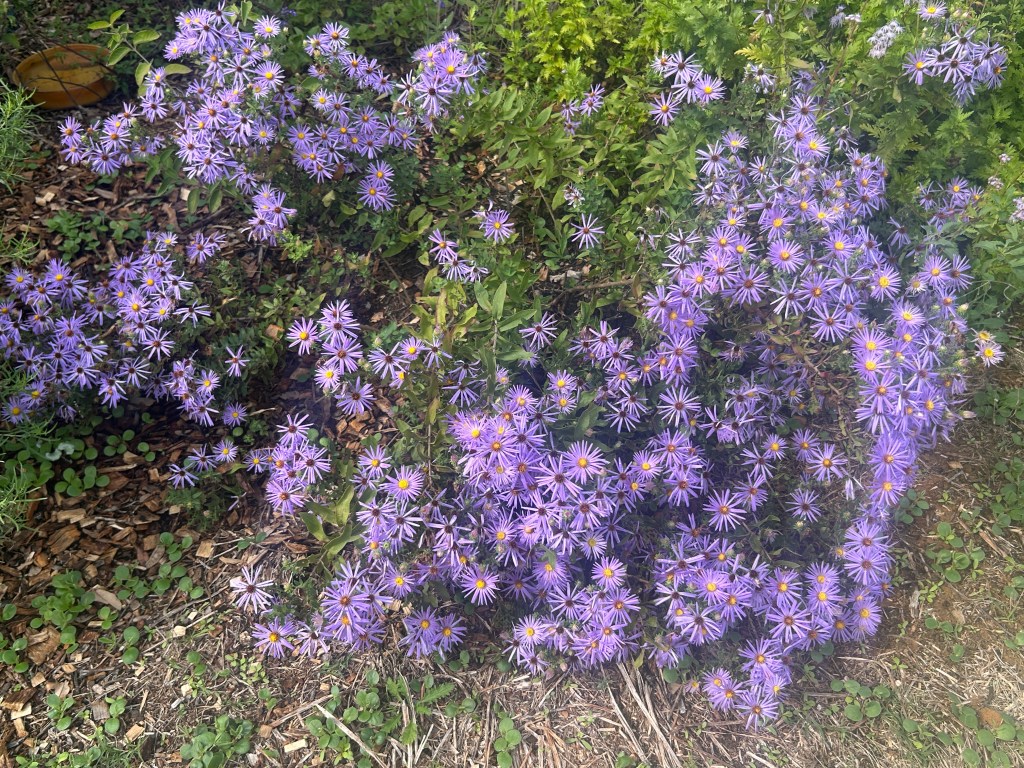
Fall Aster (Symphyotrichum oblongifolium)
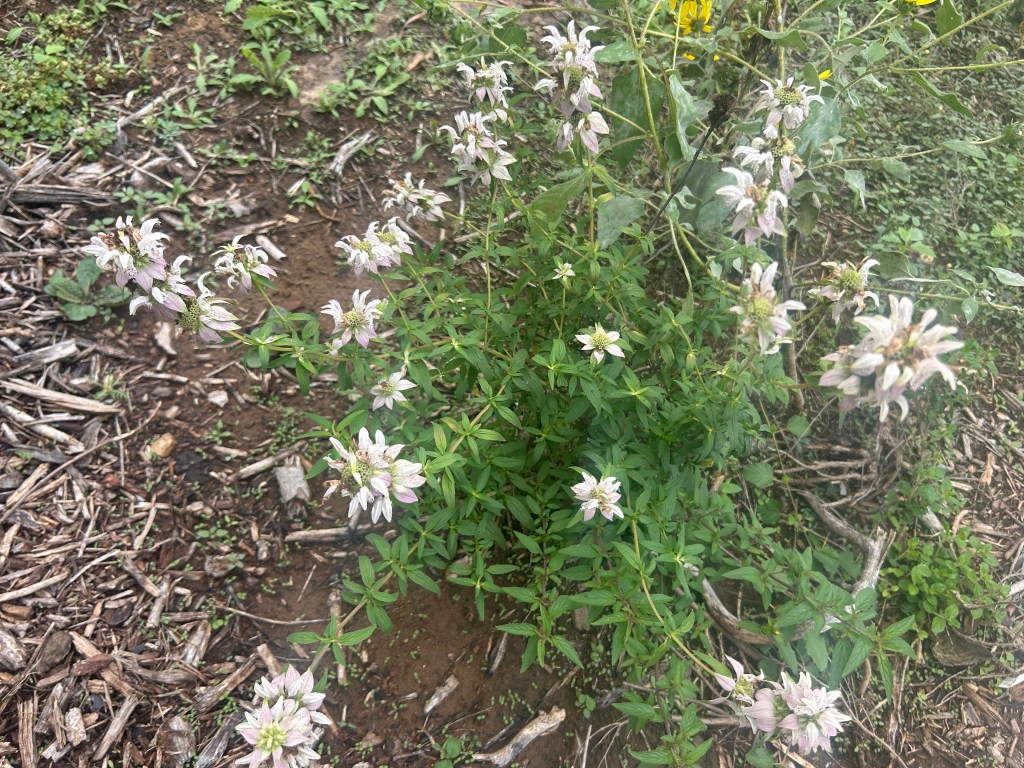
Spotted Beebalm aka Spotted Horsemint (Monarda punctata)
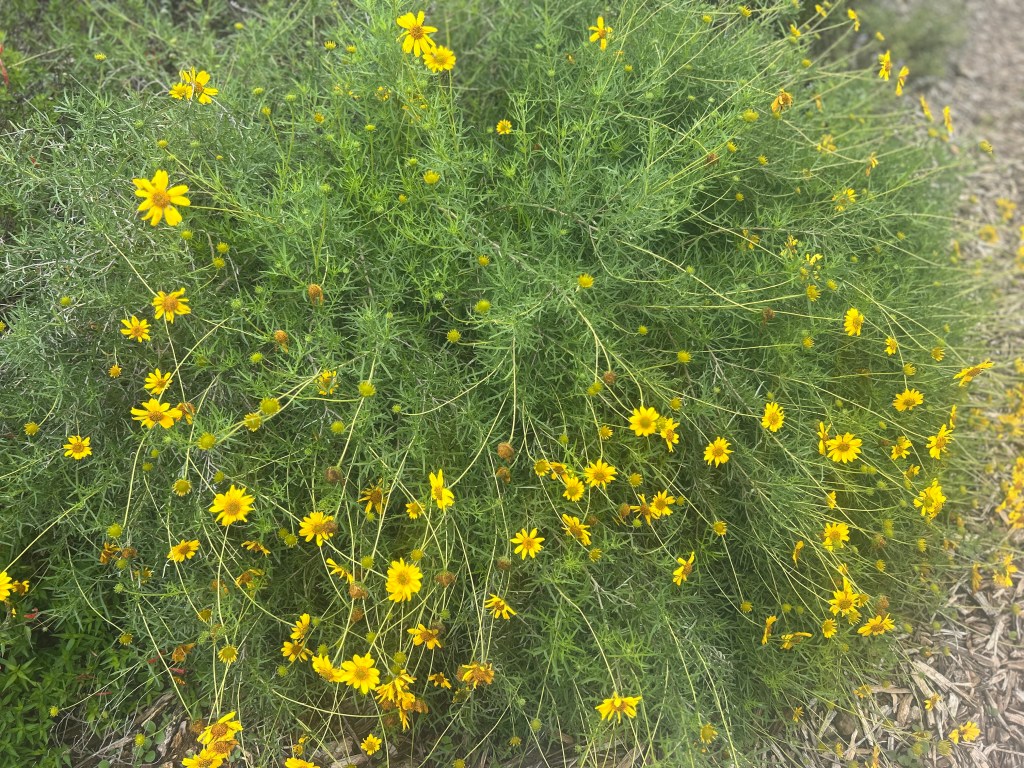
Skeleton-Leaf Goldeneye (Viguiera stenoloba)
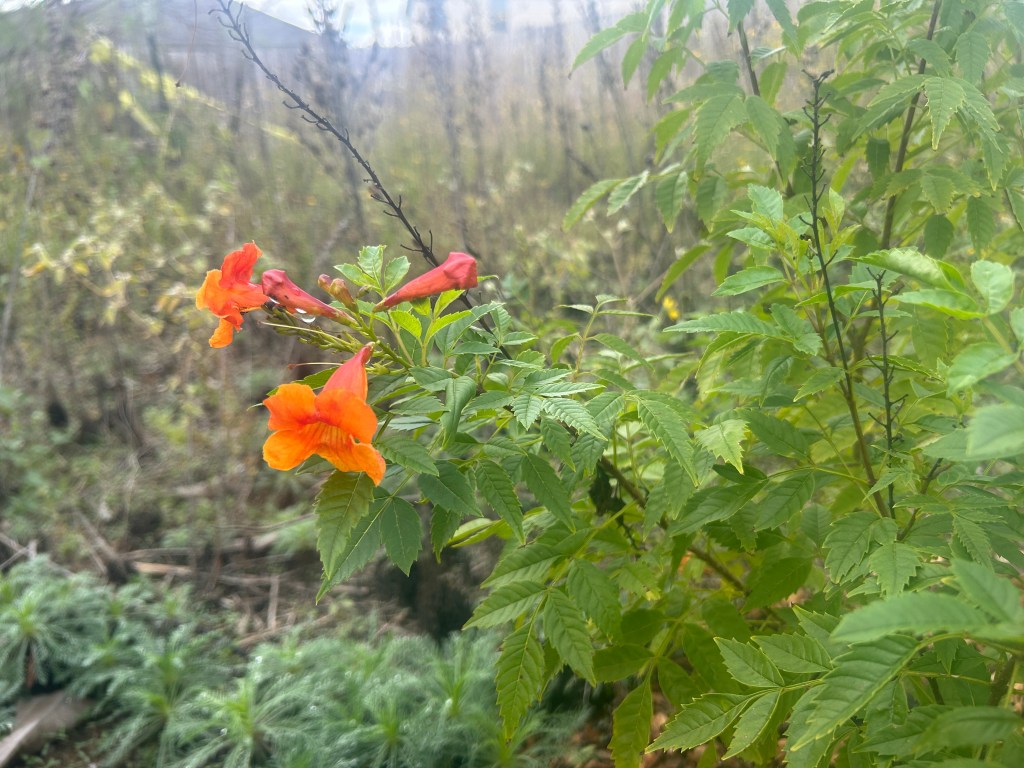
Esperanza ‘Compact Orange’ (Tecoma stans)
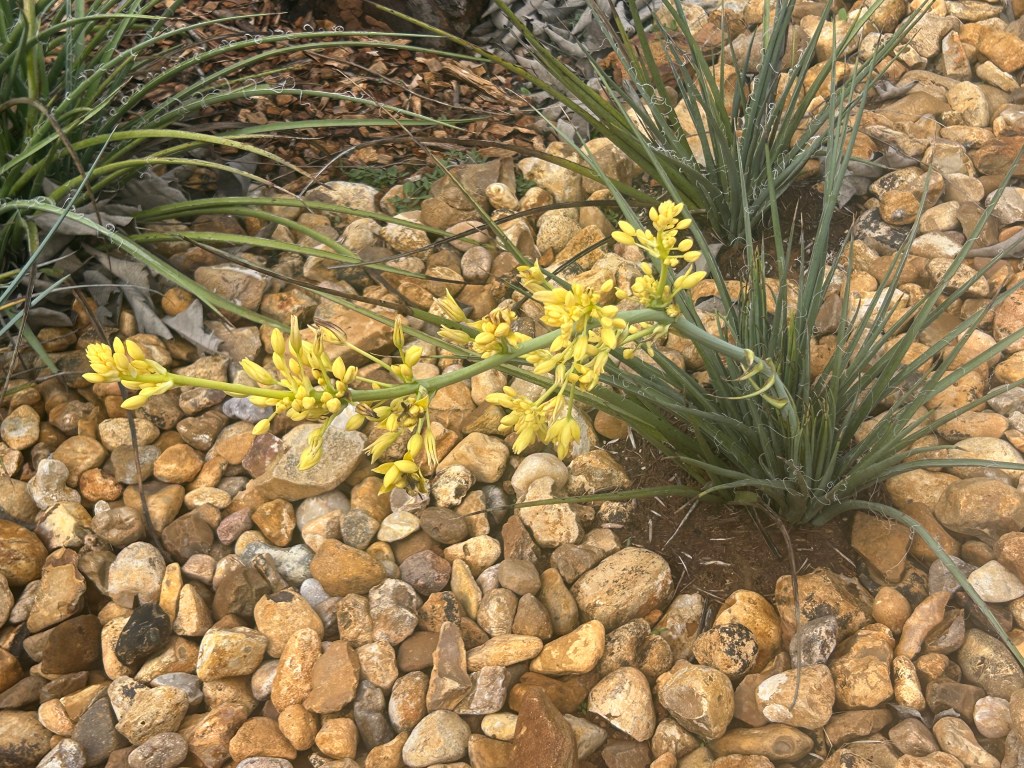
Yellow Yucca (Hesperaloe parviflora)
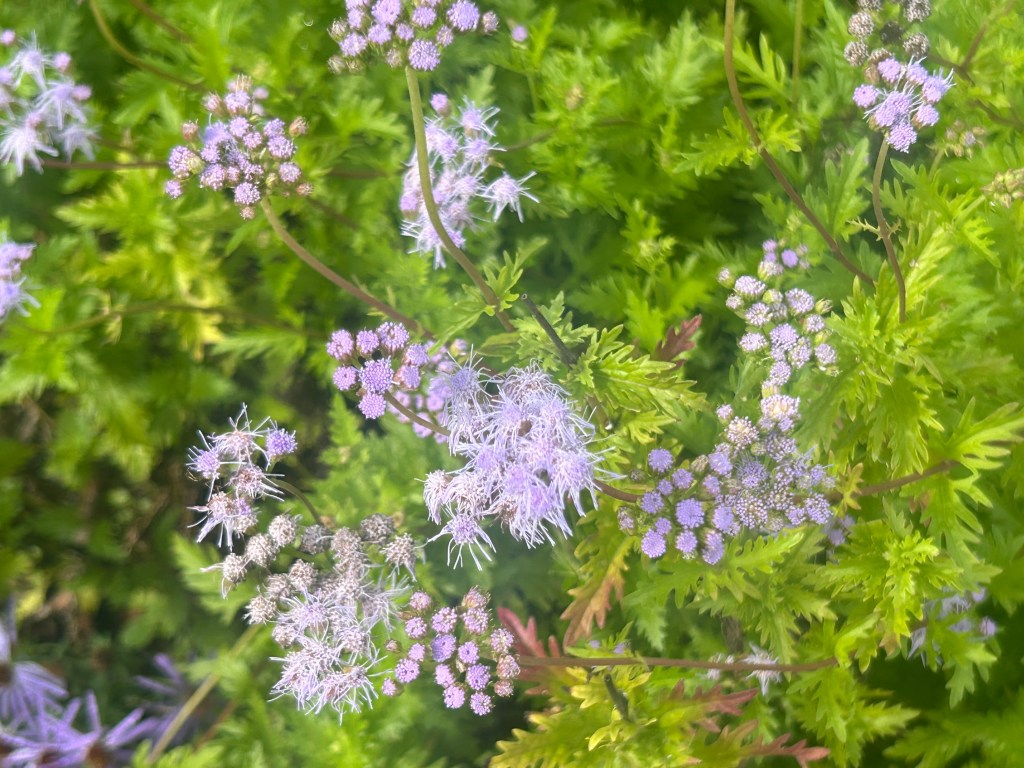
Gregg’s Mistflower (Conoclinium dissectum)
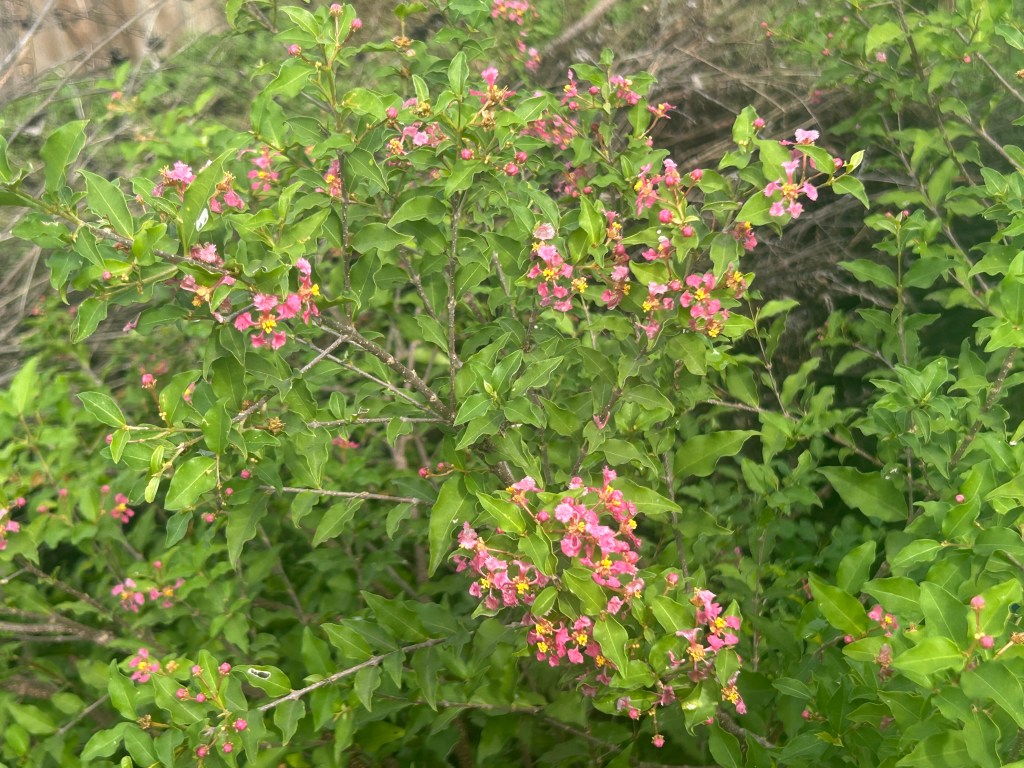
Barbados Cherry (Malpighia glabra)
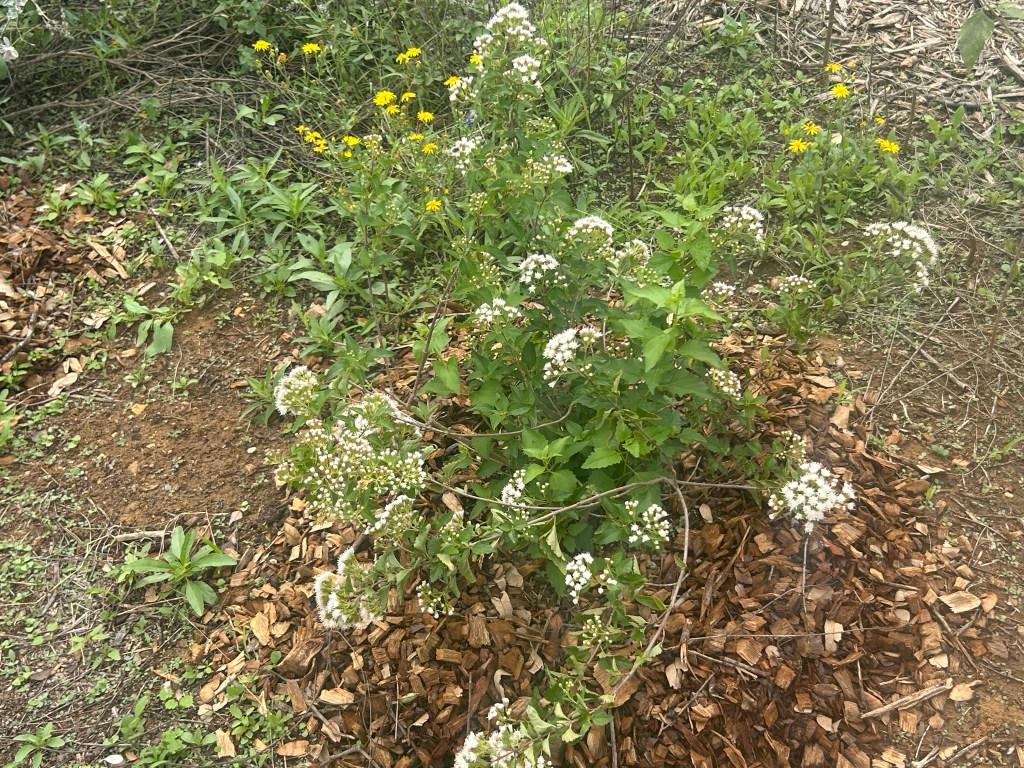
White Mistflower aka Shrubby Boneset (Ageratina havanensis)
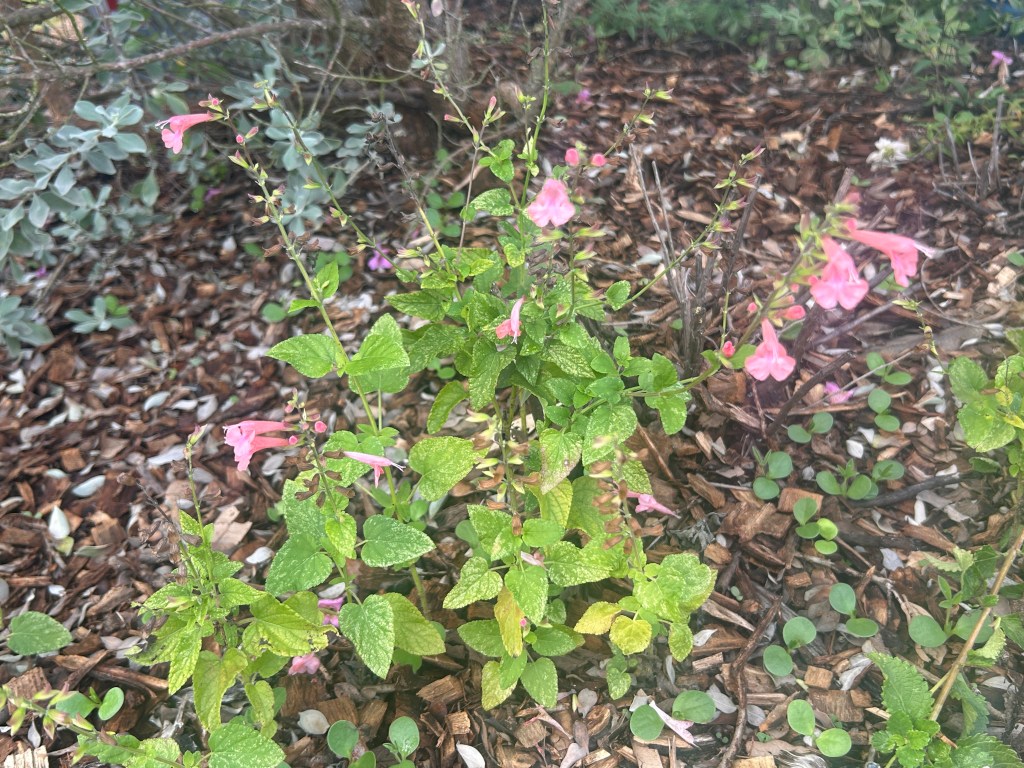
A pink variant of Scarlet Sage (Salvia coccinea)
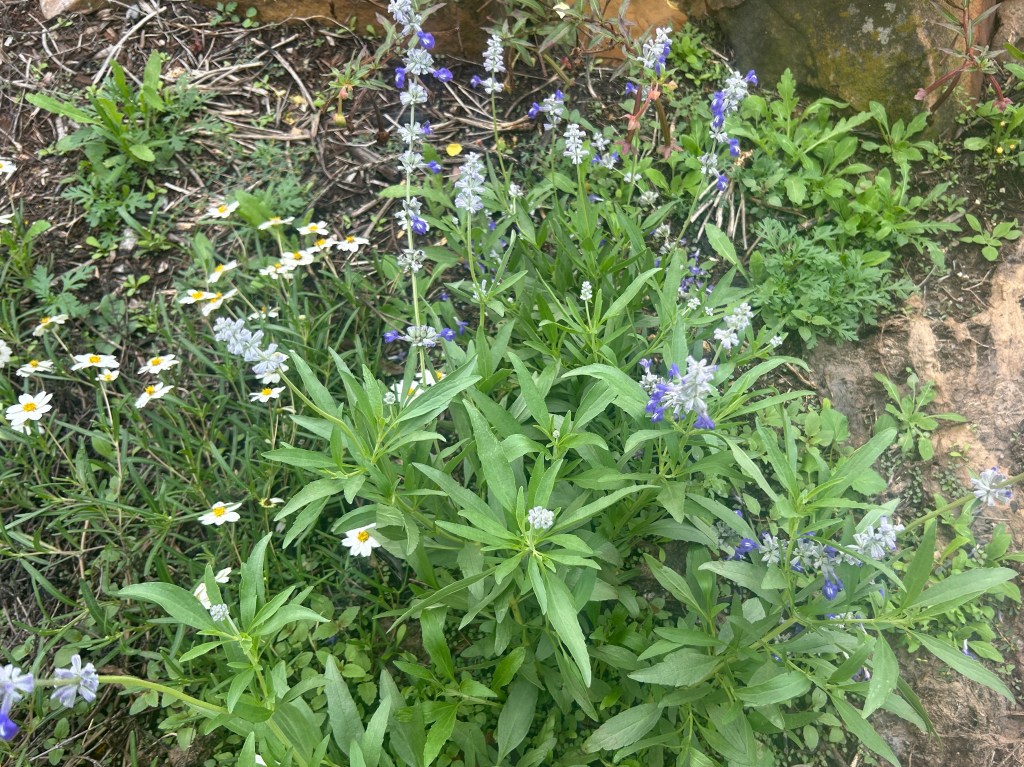
Mealy Blue Sage (Salvia farinacea)


Leave a Reply