-
Resting Dove

I see a lot of doves here, both White-Winged Doves and Mourning Doves. There is a very good supply of sunflower seeds on the ground and the doves walk around eating them. One day I found a dove just sitting on the ground. I don’t believe it was injured because it would periodically get up… Continue reading
-
More Standing Cypress Than I Knew
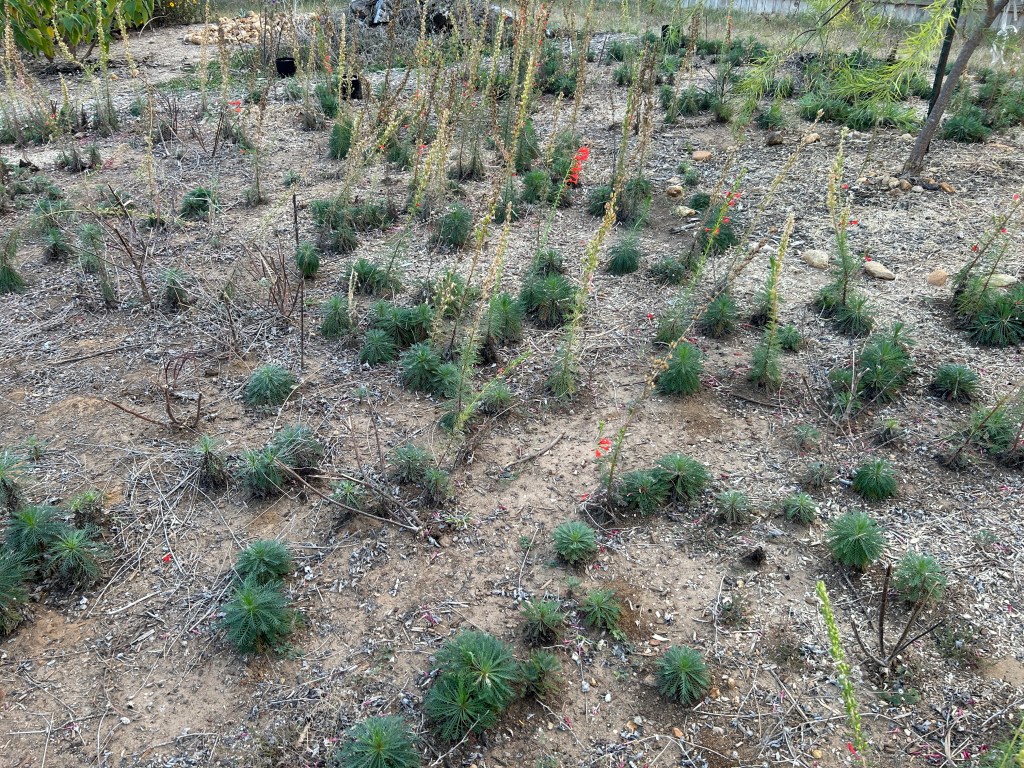
Last fall I scattered seed for Standing Cypress (Ipomopsis rubra) in a back area of the garden. This is a biennial plant with generally a short ferny rosette in the first year and a tall flower spike the second year. All I was expecting in this first year were the short rosettes, and I had… Continue reading
-
Clearing This Year’s Bumper Crop Of Sunflowers
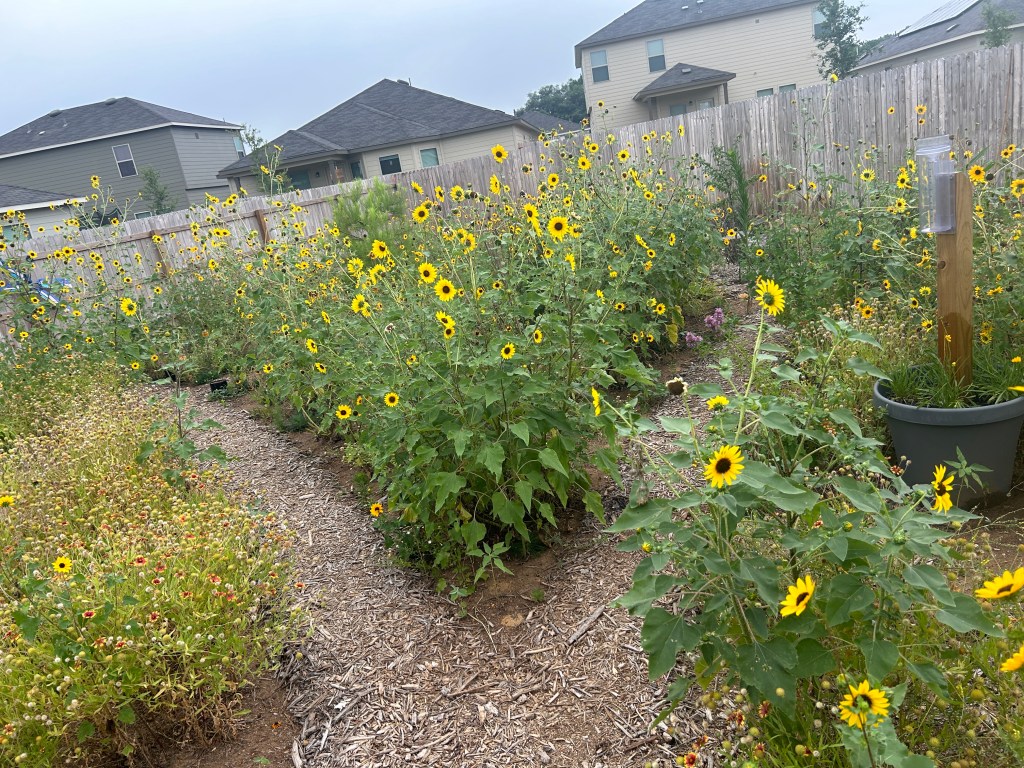
In this first full year on the property, I let annual plants take the lead as I considered what more long-term plans could be for the garden. Annual plants fill space to capture water and reduce soil erosion, and encourage wildlife visitors (birds and insects). When they are finished and cut down, their decaying roots… Continue reading
-
Large Resting Dragonfly

Early one cool fall morning there was a large dragonfly resting on one of the oak trees. It was a Common Green Darner (Anax junius). This particular dragonfly is notable, not only for its size with a wingspan of up to 4 inches, but also because of its migratory behavior. According to the Wikipedia page,… Continue reading
-
Moving Texas Mountain Laurel To Bigger Pots
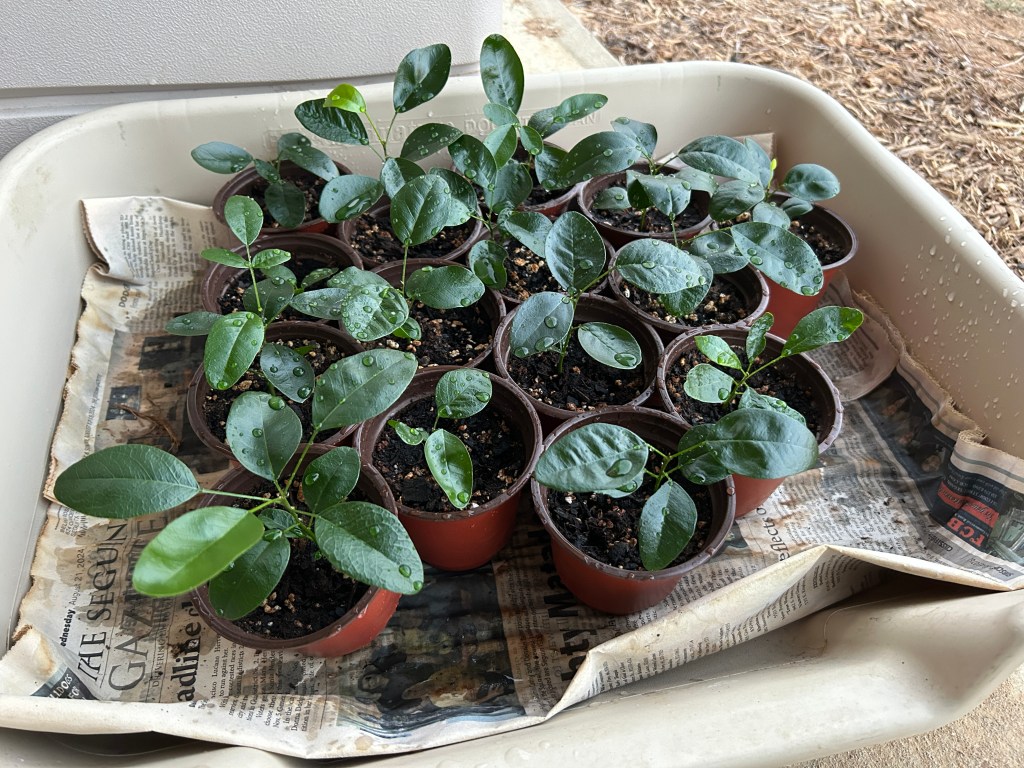
By way of experiment, I was able to germinate several Texas Mountain Laurel (Sophora secundiflora) seeds a few weeks ago [post]. Until now, the seedlings have been in 4-inch pots indoors in our guest room. I was holding off moving them into bigger pots until it was cool enough outside to move them into the… Continue reading
-
A Planting Day In Cooler Temperatures
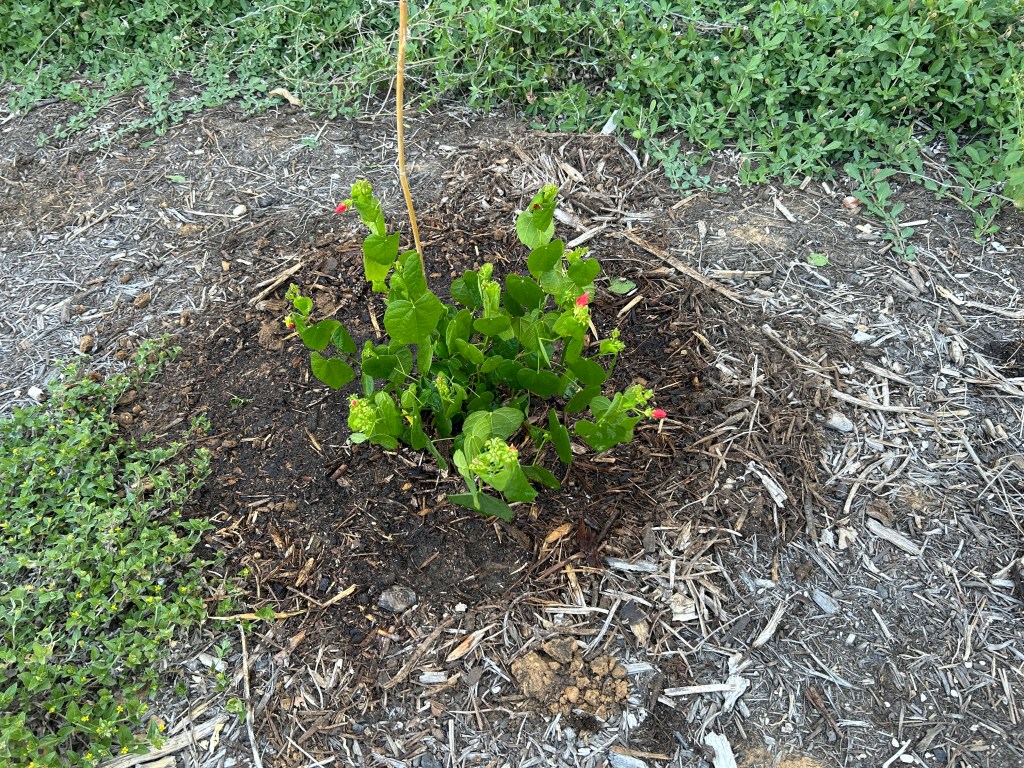
We haven’t had rain here since September 5th but this week we did at least start to get some cooler temperatures (75-85F highs instead of 95F). So instead of retreating indoors by 10am, I am enjoying more time in the garden morning and evening. I have many projects on my fall task list! In central… Continue reading
-
Close Call With A Wasp Nest
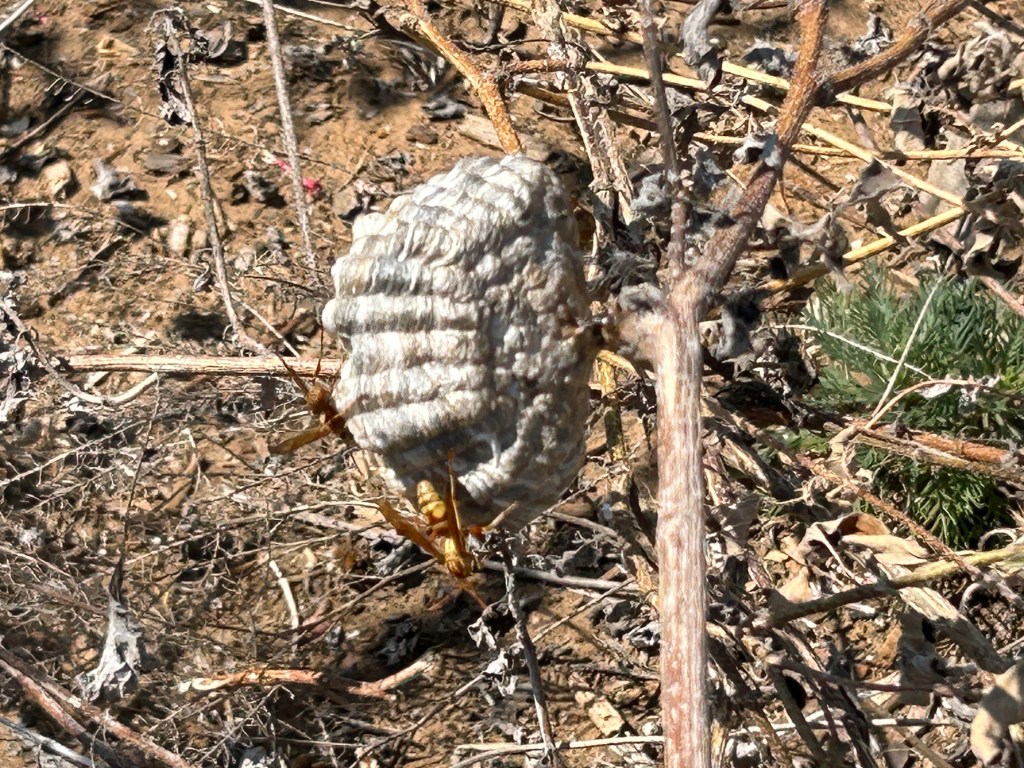
I was recently prepping for a shredding session (this is how I recycle annual plants to be returned to the ground as mulch). In doing so, I cut down a sunflower branch and threw it onto my shredding pile. At that point I noticed that attached to this particular branch was a paper wasp nest… Continue reading
-
Closing Down The Wildflower Meadow For The Year

By mid-October, the only things still standing in the wildflower meadow were a few Spotted Beebalms aka Spotted Horsemint (Monarda punctata) and Beach Sunflowers (Helianthus debilis), one Silverleaf Nightshade (Solanum elaeagnifolium), and one Yellow Sneezeweed (Helenium amarum). As each plant in the meadow has come to the end of its life, I left it long… Continue reading
-
What A Mexican Olive Berry Looks Like Inside

From the first cluster of flowers that my Mexican Olive (Cordia boissieri) tree produced, one berry was produced. Soon after that photograph was taken I found the berry on the ground. I don’t know what a ripe Mexican Olive berry looks like — maybe they are green like this or maybe they change color. In… Continue reading
-
Mexican Buckeye Pot Expansions
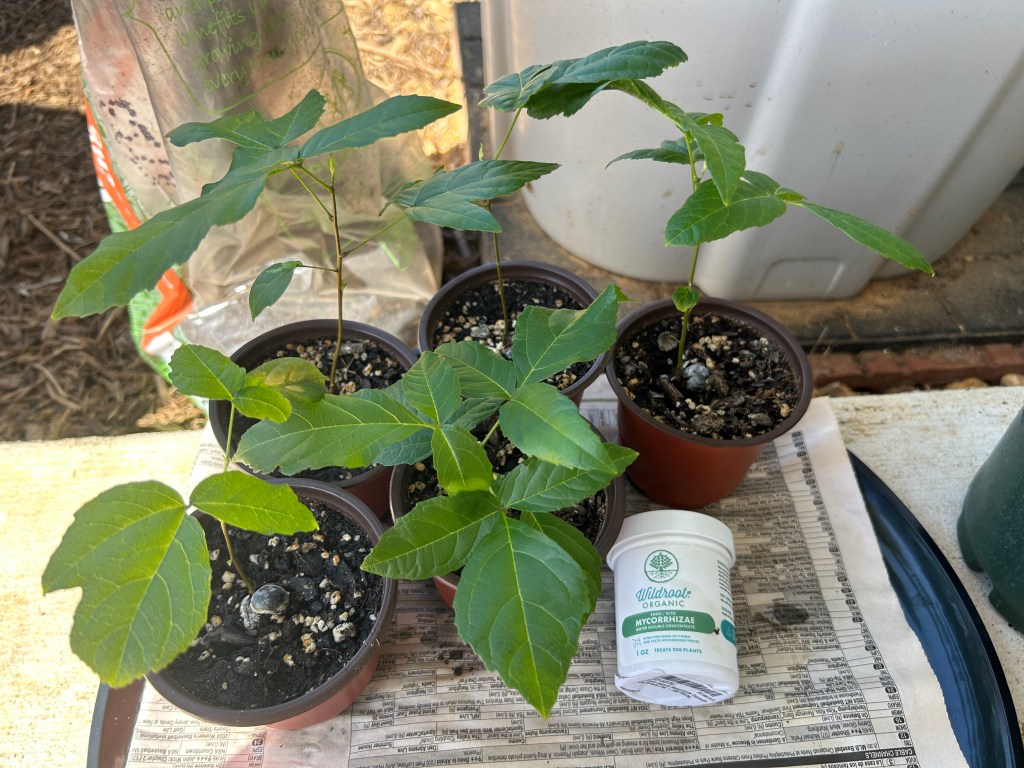
I was easily able to germinate seeds from a Mexican Buckeye (Ungnadia speciosa) tree a few weeks ago, and the five young seedlings have quickly grown in their 4-inch pots. In mid-October, each of the five seedlings was given a 1-gallon pot with planting soil (because they will eventually go in the ground) and some… Continue reading
About Me
Nature Lover.
Inquisitive Observer.
Student Gardener.
I invite you to join me on my journey to convert my sterile (from a nature point of view) new house lot to a healthy and diverse ecosystem, as I make discoveries, mistakes, and hopefully progress. I am not an expert or professional. The project started in February 2023 and the location is Seguin, Texas, USA.

