Rewilding My Lot

Converting a new developer lot into a nature ecosystem — my journey


Frogfruit

Phyla nodiflora
Lady Bird Johnson Wildflower Center database entry

Frogfruit is a great plant to have if you want something to spread quickly, grow in a variety of soil and sun conditions, encourage tiny pollinators, and tolerate being mown as part of your lawn. However, if you don’t want something to grow so freely, maybe it’s not for you.
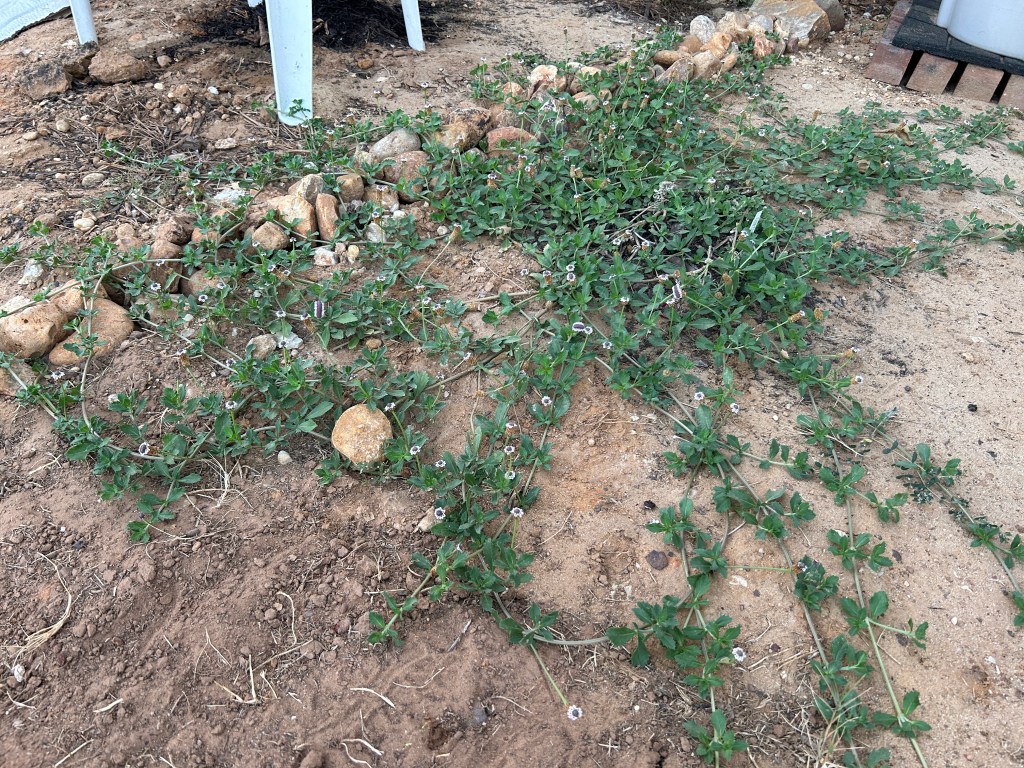
I only bought two Frogfruit plants originally, and I’ll never need to buy it again. It’s very easy to propagate because the stems self-root. This is how I’ve been generating new plants…

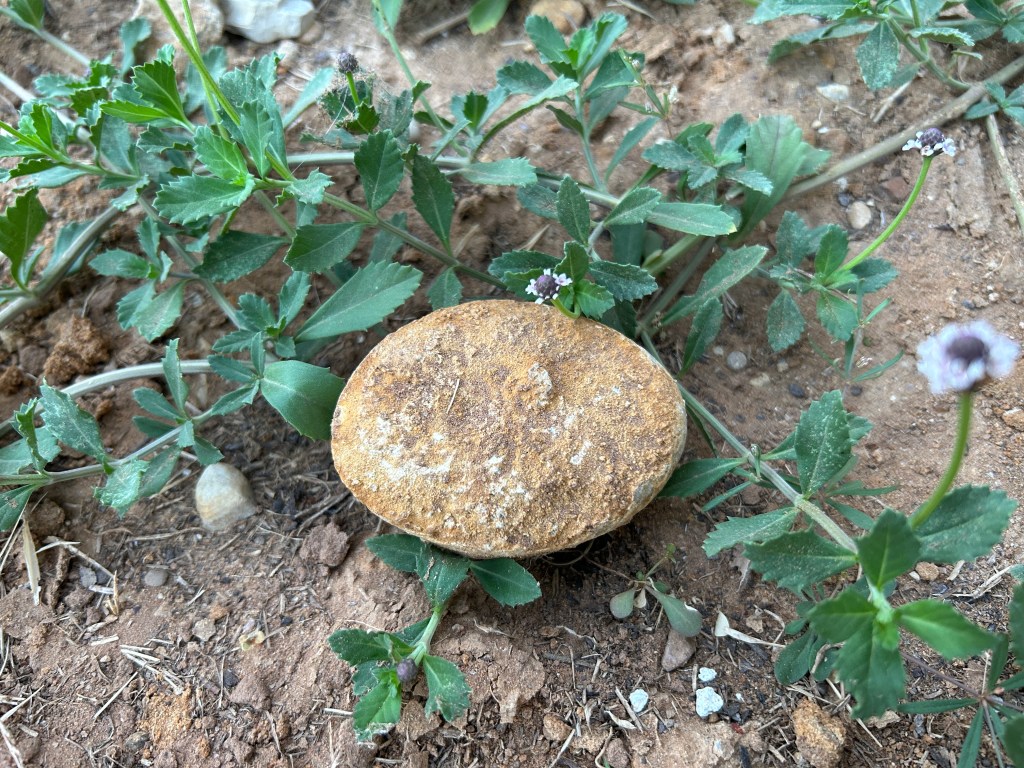
If I want to take a Frogfruit cutting, I can either search the plant for places where a stem has chosen to root already, or I can speed that process along by resting a stone on a stem for a few days. Here’s a place where I had a stone, and under it some roots have formed.
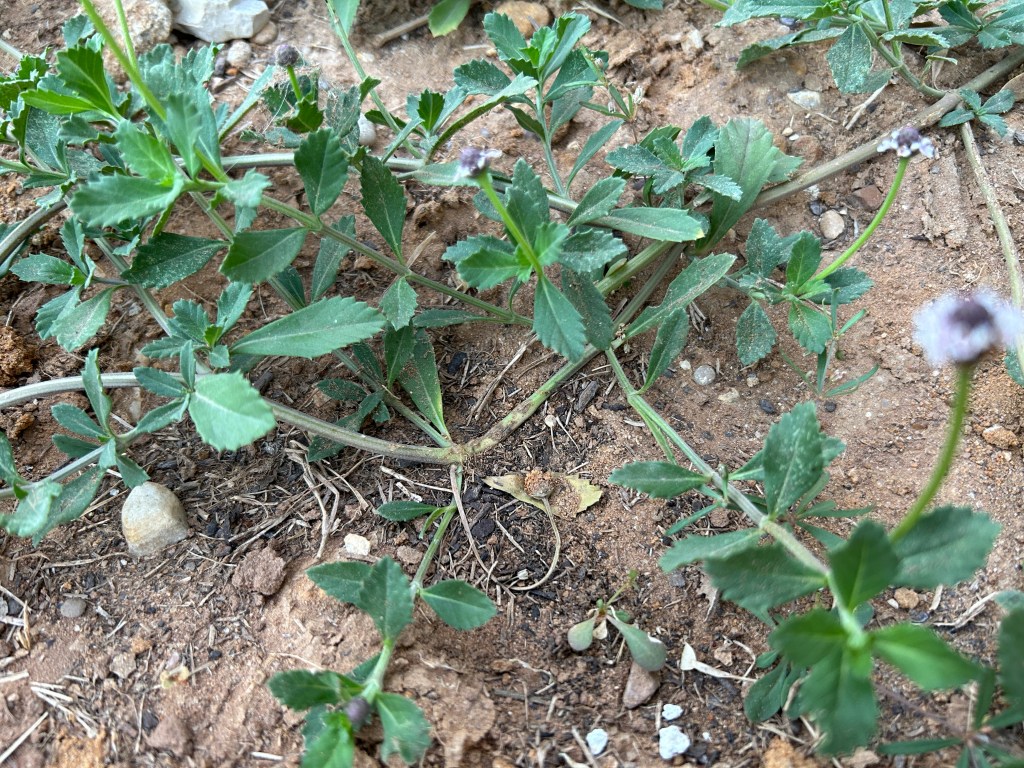
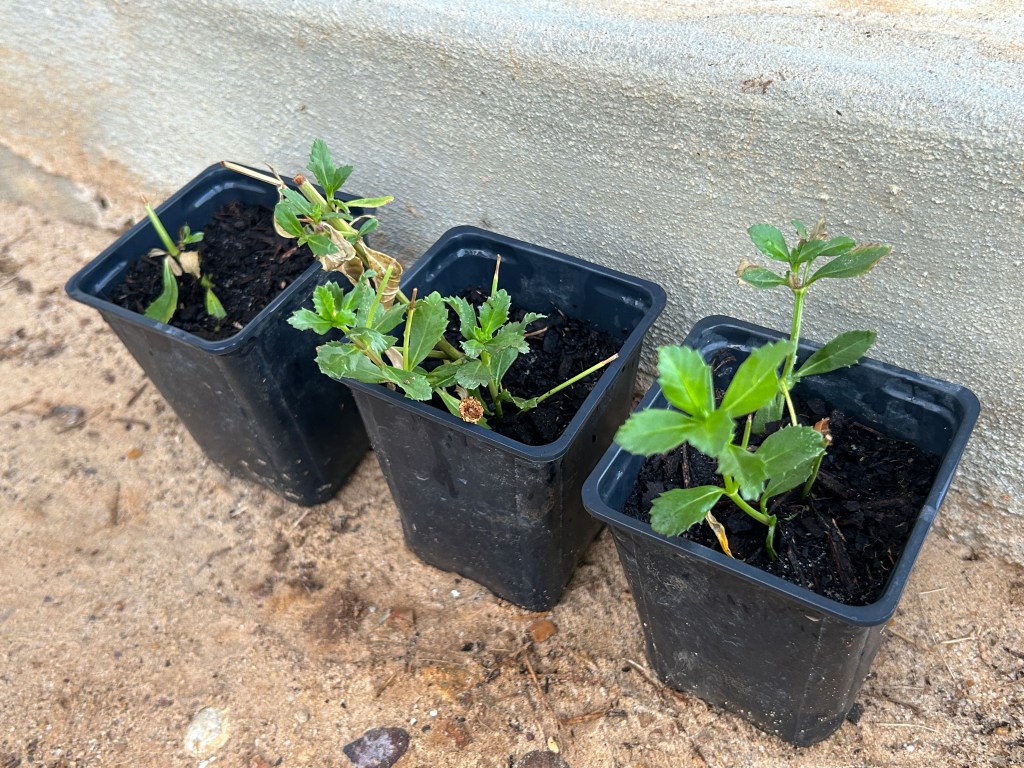
I snip the stems to just a few inches from the rooted part and put that either in a new ground location or a pot. At the moment I only own three small pots, so for now there is usually a rotation of three baby Frogfruits waiting to find out where they are going next.
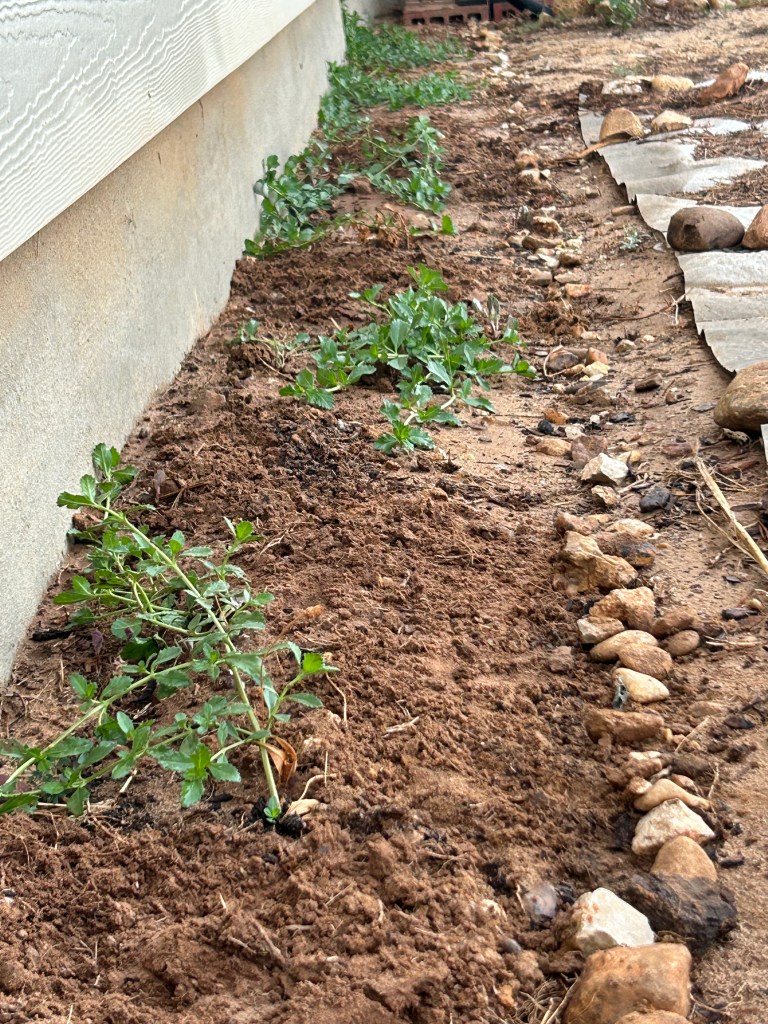
One of the places where I have transplanted Frogfruit is along the back wall of the house. We have no gutters here, so when it rains there is a deluge that comes off the roof, primarily hitting what has now formed into a line of stones. I’ve put Frogfruit between that drip line and the house, thinking that it will grow fine there in the part shade, not mind being pounded by rain once in a while, and if it ventures too far into the bed I should be able to trim it back easily. There have been seven transplants placed in this area and I think they’ll fill in nicely over time.


7 responses to “Frogfruit”

  1. Meredith Clarage Avatar
    Meredith Clarage

    Is that frogfruit from our street?

    Like

    1. Not this one, no. There is at least one patch in the front lawn that was taken from the old house. However, most of those early transplants I don’t think survived. I have learned to do the propagation better since then. The two main things for me seem to be making sure that root growth has already started before transplant, and cutting back stems after transplant so that the plant is small and focused to start with.

      Like

  2. […] have written before about how easy Frogfruit is to grow and propagate (see previous post: Frogfruit). However, much of what I know now has come from making earlier mistakes. Like […]

    Like

  3. […] seeds for Buffalograss, Bluebonnet, Firewheel, and Spotted Beebalm. I’ll probably sneak some Frogfruit in there as […]

    Like

  4. […] and they will surely grow back. However, to speed things up, I’ve added Frogfruit as well (of which I have plenty), and I’ll let them fight it out. Frogfruit will be fine being trampled, mown, and trimmed. […]

    Like

  5. […] the summer I covered much of the ground with cardboard. That is also the current location of the Frogfruit “mother plant”, an American Beautyberry, the compost tumbler, and one of the rain […]

    Like

  6. […] self-seed, or grow runners that root. I have had success with moving baby plants of Salvia and Frogfruit to new locations, either by just digging them up in one place and planting in another location, or […]

    Like

Leave a reply to My Propagation Station – Rewilding My Lot Cancel reply

About Me

Nature Lover.
Inquisitive Observer.
Student Gardener.

I invite you to join me on my journey to convert my sterile (from a nature point of view) new house lot to a healthy and diverse ecosystem, as I make discoveries, mistakes, and hopefully progress. I am not an expert or professional. The project started in February 2023 and the location is Seguin, Texas, USA.